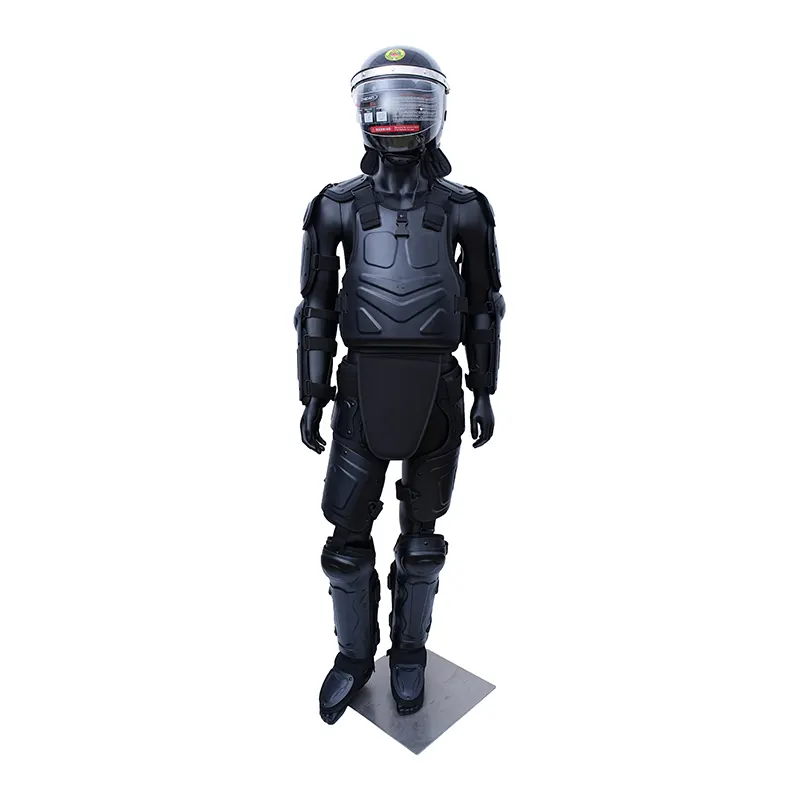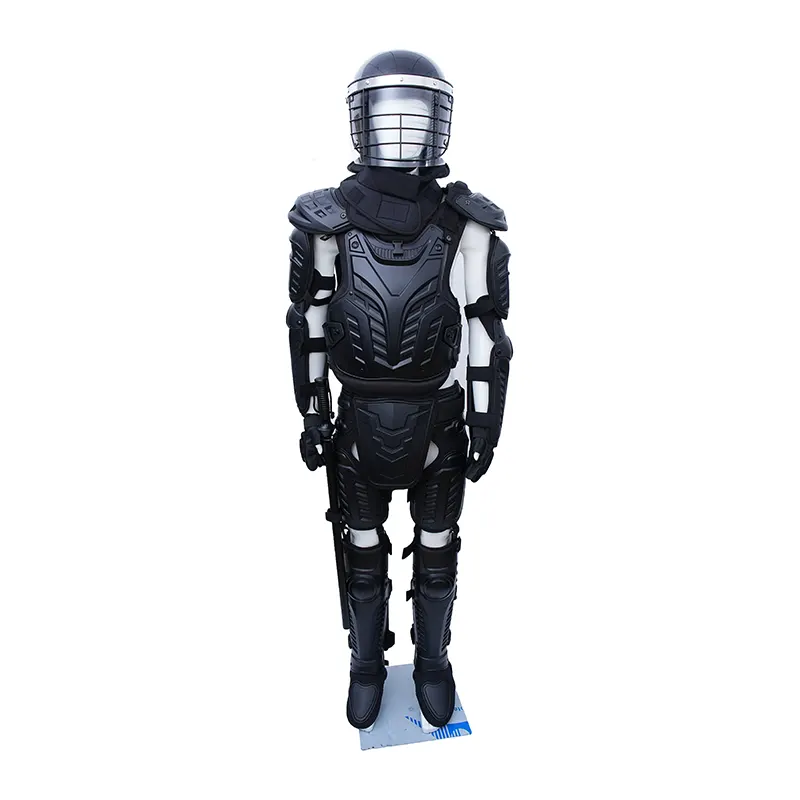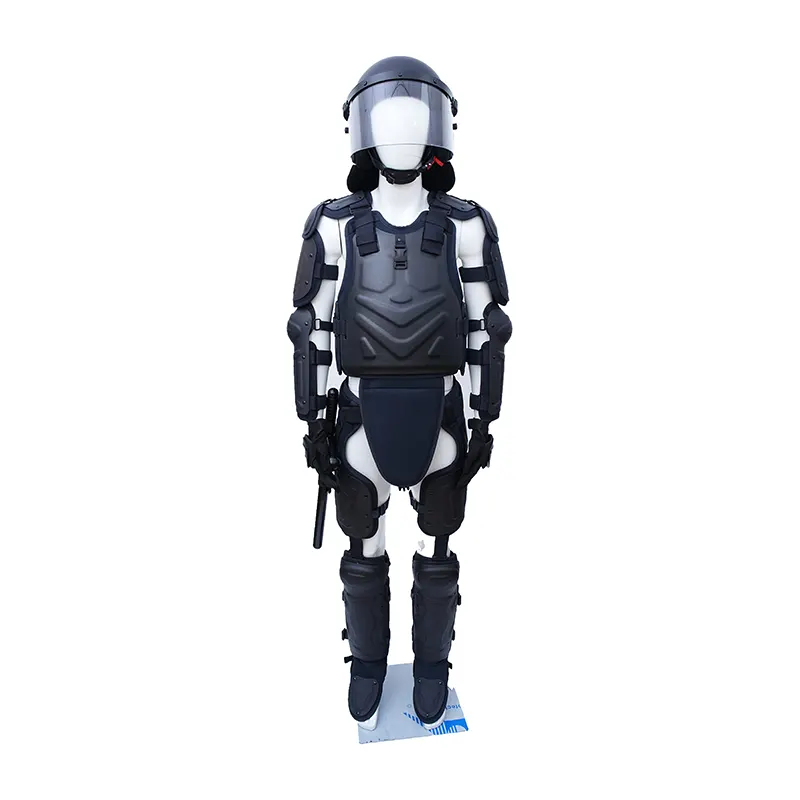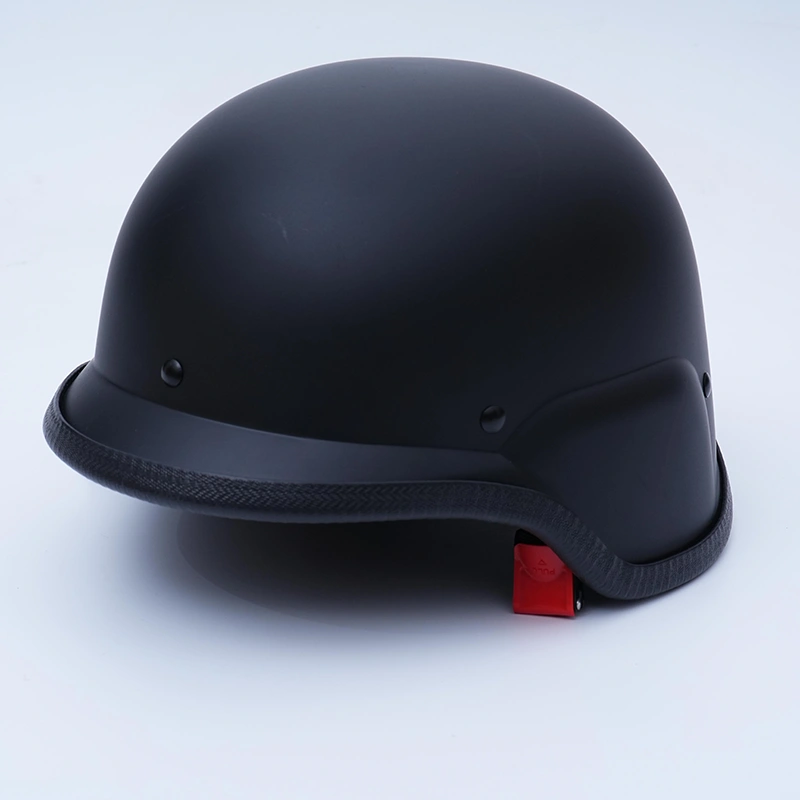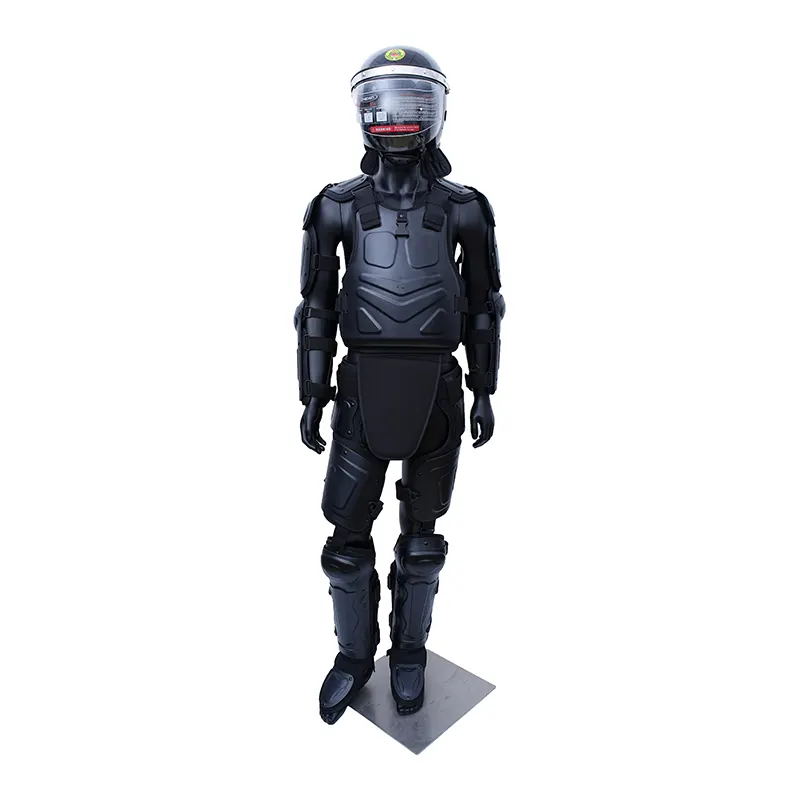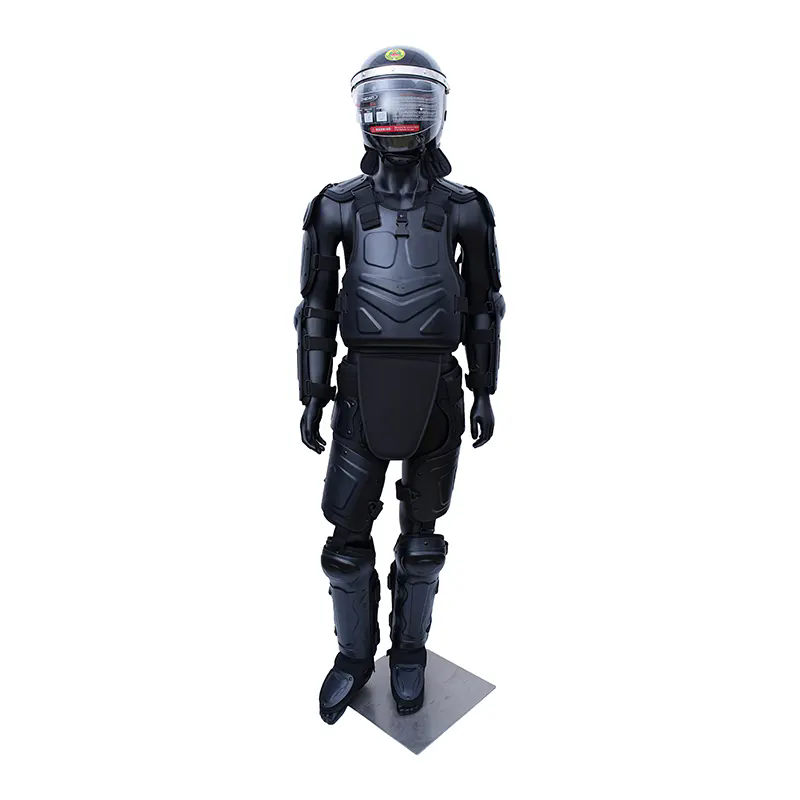
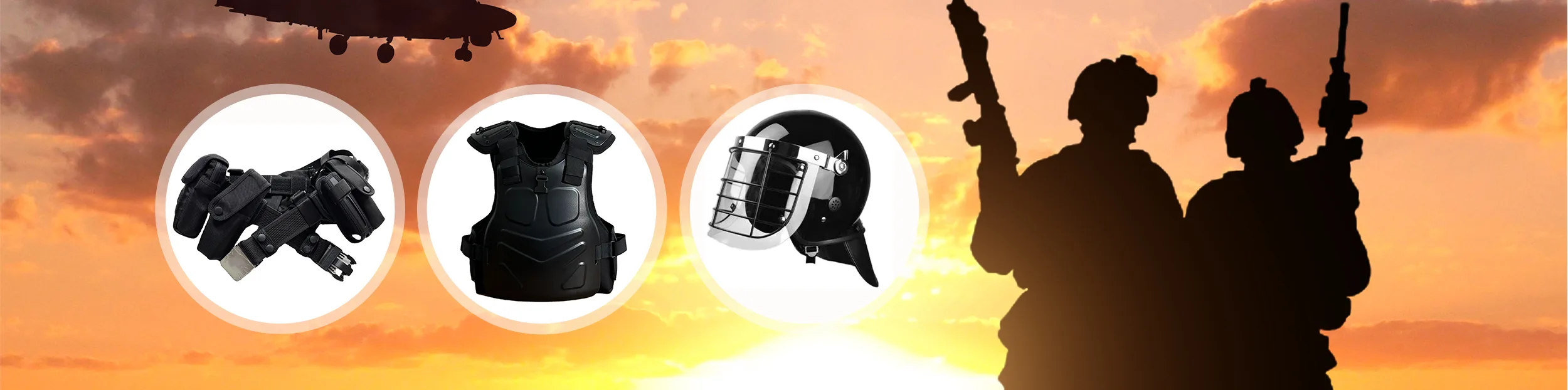
Riot control and crowd management operations expose personnel to thrown projectiles, blunt force trauma, edged weapons, and incendiary devices. Standard soft body armor often leaves large areas of the body unprotected, particularly the arms, legs, and joints. A dedicated Anti Riot Suit closes those gaps with articulated hard plates, impact-absorbing foam, and flame-resistant textiles. The goal is not only to prevent catastrophic injury but also to give the wearer confidence to maintain position and perform defensive maneuvers under stress.
Galaxy has spent years refining its protective equipment line to meet the demands of modern tactical teams. The Galaxy Anti Riot Suit integrates advanced materials with ergonomic patterning, reducing the fatigue that commonly accompanies extended deployments. Each suit undergoes rigorous quality control to ensure consistent performance across production batches.
The Galaxy Anti Riot Suit is built around a modular architecture. This allows individual components to be replaced or upgraded without discarding the entire system. The main protective zones include the chest, back, shoulders, upper arms, elbows, forearms, groin, thighs, knees, and shins. Every plate is contoured to follow natural body movement, minimizing restriction during running, kneeling, or baton deployment.
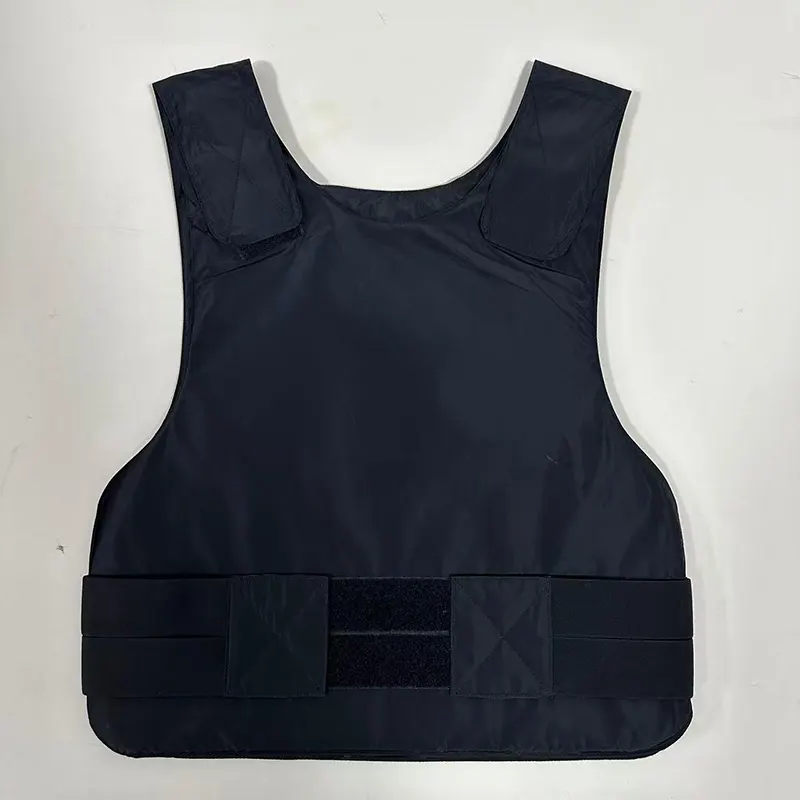
A poorly fitted Anti Riot Suit creates dangerous gaps and restricts movement. Galaxy addresses this with a range of five standard sizes and an adjustable internal harness. The shoulder straps, waist belt, and thigh straps can be independently tightened or loosened to accommodate different body shapes. For mixed-gender units, the groin protector is available in two anatomical configurations, and the chest plates have a unisex contour that does not ride up during dynamic movement.
The elbow and knee plates are held in place by elasticized sleeves rather than a single strap, which prevents them from sliding out of position when the wearer crouches or falls. Articulation points at the hips and shoulders use overlapping plate geometry, so there is no exposed gap when the limbs are fully extended or flexed. Galaxy recommends a fitting session with the full uniform and duty belt to verify that all plates remain centered over the joints.
Heat stress is a leading cause of operational failure in riot control. The Galaxy Anti Riot Suit incorporates passive ventilation through mesh panels under the arms and behind the knees. These panels are covered by the hard plates but allow air to circulate through convection when the wearer moves. The inner moisture-wicking liner pulls sweat away from the skin, where it can evaporate through the fabric rather than pooling against the body.
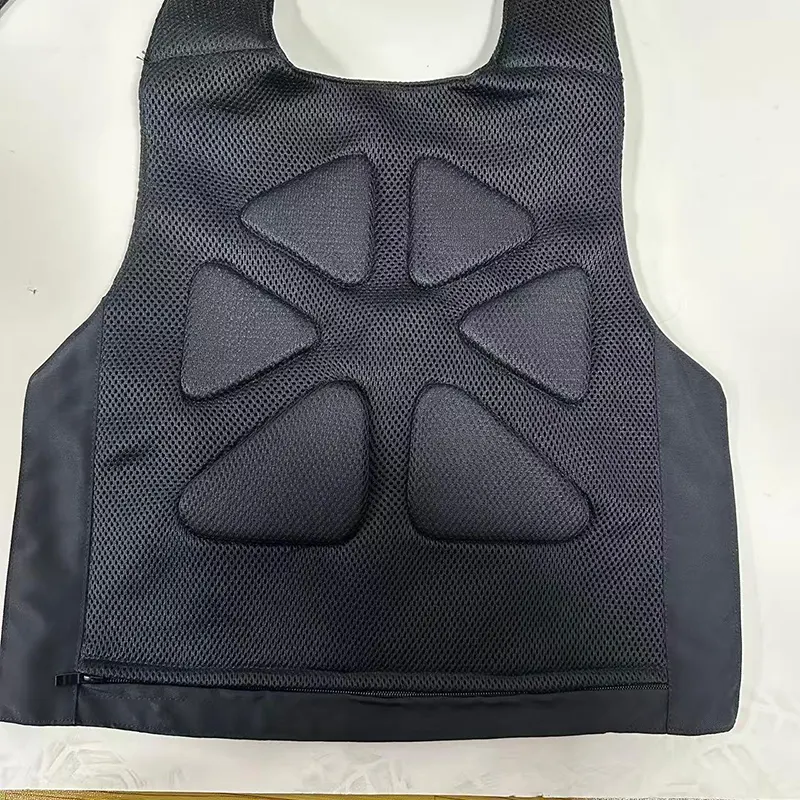
For hot-weather deployments, Galaxy offers an optional cooling vest insert that uses phase-change material packets. These packets can be pre-chilled and slipped into pockets on the torso interior. While the standard suit already reduces heat retention compared to older designs, agencies operating in desert or tropical environments should consider this upgrade. In cold weather, the same interior pockets can accept chemical heating pads for extended outdoor operations.
The Galaxy Anti Riot Suit is tested against several recognized standards. The primary impact test protocol follows EN 13061:2009, which specifies requirements for protective clothing against mechanical impacts. The suit has passed Type 2 requirements, covering chest, back, shoulders, arms, and legs. For blade and puncture resistance, the suit is evaluated using the EN 388 methods for protective gloves adapted to body armor panels. Independent testing by accredited laboratories verifies that the aramid puncture layers meet or exceed the 65 N threshold.
Flame-retardant properties are assessed according to ASTM D6413, which measures afterflame and afterglow times. The outer shell fabric self-extinguishes within 2 seconds after the ignition source is removed, with no melting or dripping. Galaxy maintains ISO 9001 certification for its manufacturing facilities, ensuring traceability from raw material batches to finished products. Each suit ships with a unique serial number and a test report documenting the specific batch’s performance.
Proper maintenance extends the service life of the Galaxy Anti Riot Suit and preserves its protective qualities. After each use, wipe the outer shell with a damp cloth to remove dirt, blood, or chemical residues. For deeper cleaning, hand wash the fabric components in lukewarm water with mild detergent. Do not use bleach, fabric softeners, or dry cleaning solvents, as these can degrade the flame-retardant finish and weaken the aramid fibers.
Hard plates can be cleaned with a soft brush and soapy water. Do not submerge the entire suit unless all plates are removed, because water trapped between foam layers can promote mold growth. Allow the suit to air dry completely before storage. Store the suit flat or on a wide hanger in a cool, dry place away from direct sunlight. Ultraviolet radiation can gradually weaken polycarbonate and nylon, so avoid prolonged exposure to sunlight during storage. Inspect all straps, buckles, and plate attachments before each deployment. Any cracked plate, torn seam, or melted fabric panel requires immediate replacement. Galaxy supplies individual replacement components, so a single damaged plate does not require purchasing an entire new suit.