
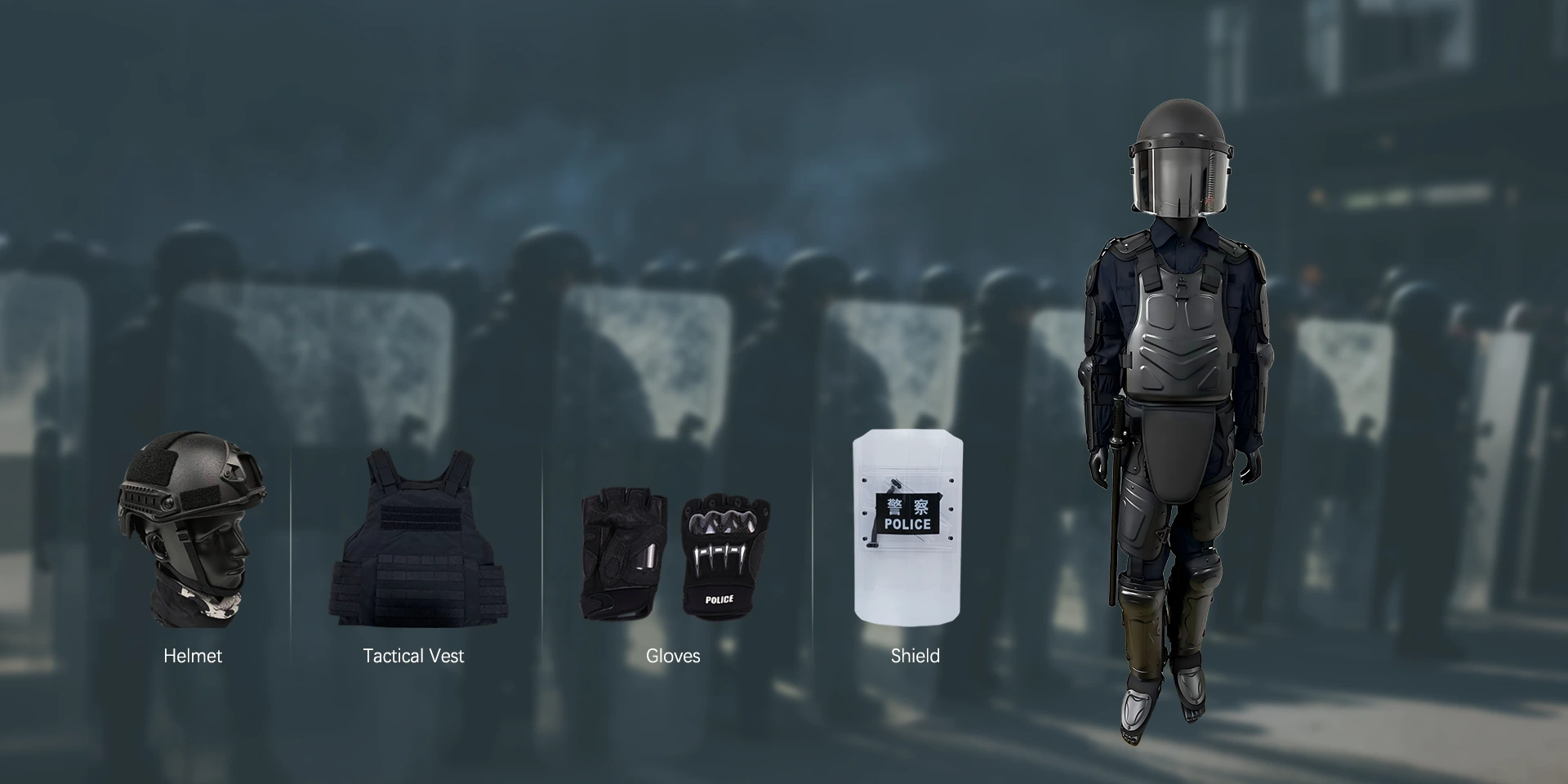
Built for law enforcement, security patrol and public safety scenarios.
View All Products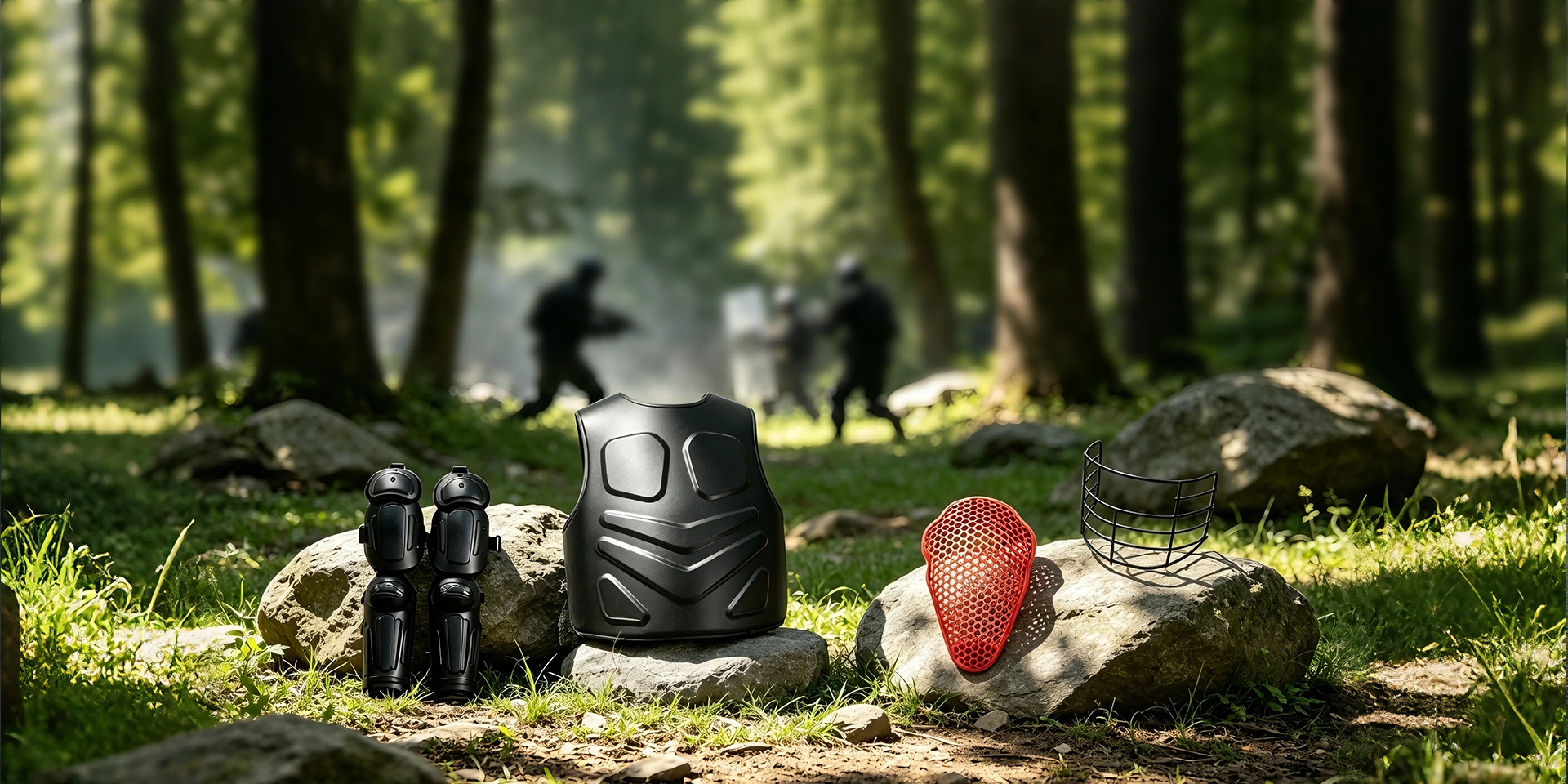
Full OEM/ODM Support: Develop from your drawings, samples or technical specs
Flexible MOQ Policy: Low minimums for both standard and custom parts
Rigorous Multi-stage QC: Every part passes strict inspection before shipment
Get A Free Quote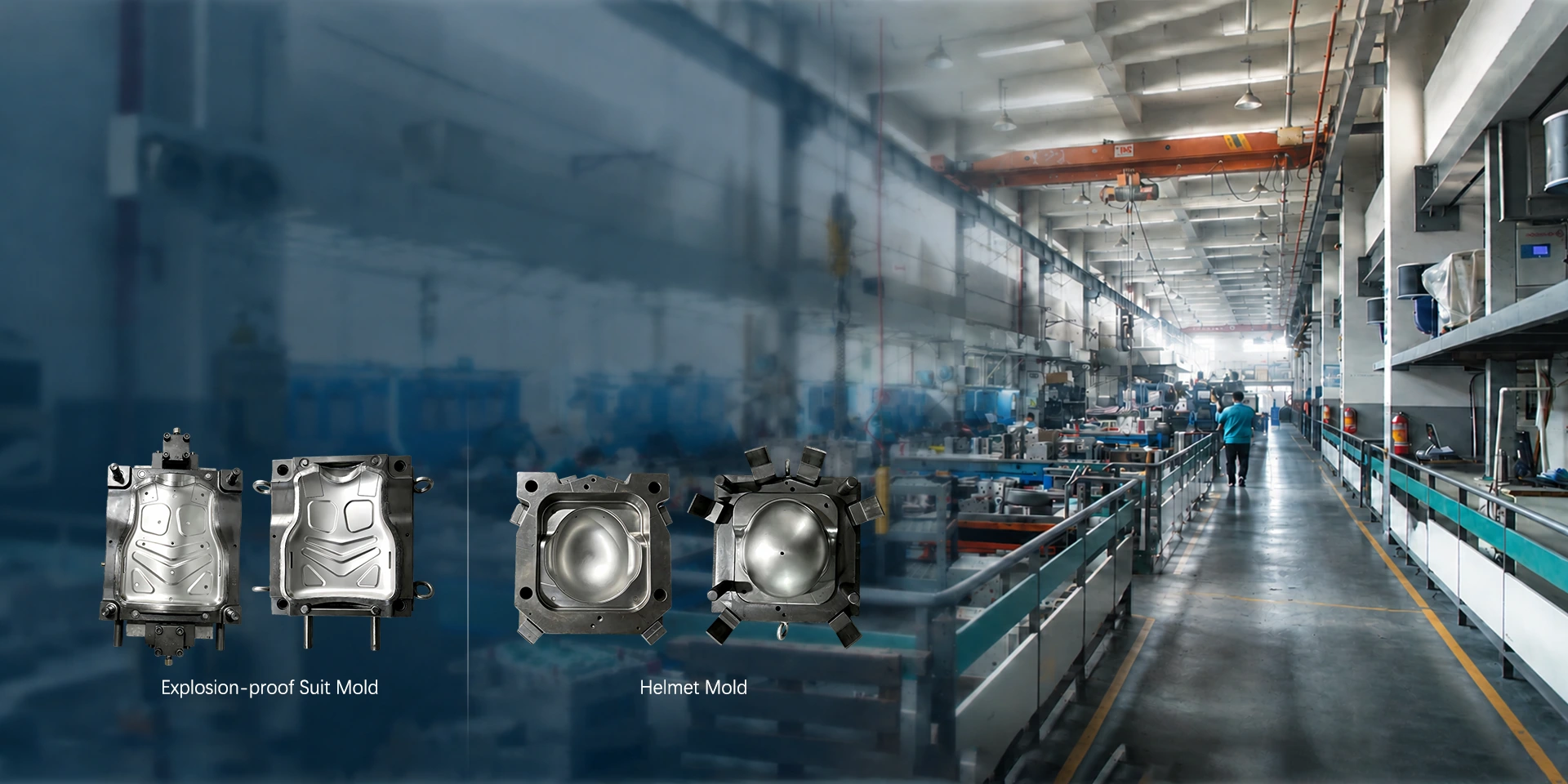
High Precision·Fast Lead Time·Reliable Quality
Explore Our Factory

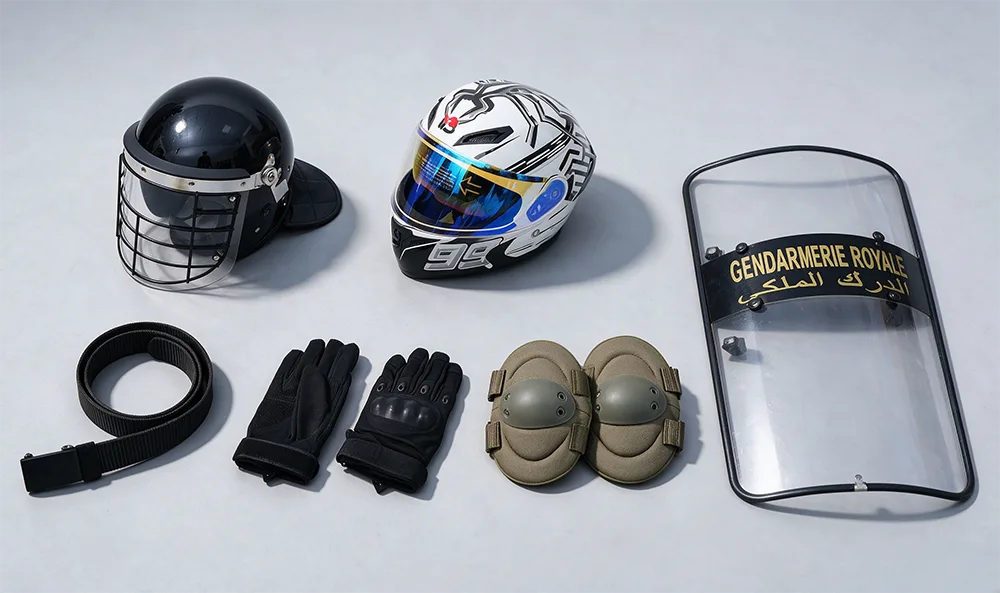
Law enforcement professionals depend on Police Equipment that performs reliably under extreme conditions. From ballistic vests and tactical communication systems to restraints and body-worn cameras, every item must meet strict durability, ergonomics, and safety requirements. Galaxy has spent more than two decades working alongside officers to design gear that balances protection, weight, and field functionality.
Police equipment cannot just look good on a spec sheet. Galaxy subjects every product to a multi-stage testing process that simulates the stress of daily duty. Soft armor panels undergo ballistic testing at multiple angles and temperatures. Handcuffs are cycled through thousands of lock and unlock operations. Body cameras are exposed to dust, water, and drop tests from heights that exceed typical waist-level falls. Flashlights are subjected to thermal shock and continuous vibration. This process ensures that the equipment maintains performance after months of hard use in the field.
Galaxy also runs field trials with volunteer law enforcement agencies. Officers wear the gear during training exercises and real patrol shifts, then submit structured feedback on comfort, accessibility, and failure points. That feedback directly informs product revisions. For example, the current DutyPro handcuff design changed its keyway angle by 8 degrees after field testers reported difficulty unlocking cuffs while wearing winter gloves. Similarly, the Recon PTT headset gained a softer ear cushion material after officers complained about pressure points during eight-hour shifts.
A patrol officer typically carries a firearm, spare magazines, handcuffs, a duty belt, a flashlight, a body camera, a radio with a speaker microphone, a ballistic vest, and less-lethal tools such as pepper spray or a baton. The exact list depends on agency policy and assignment. Galaxy recommends starting with high-quality versions of the most frequently used items: a reliable flashlight, comfortable body armor, and a body camera with long battery life.
Start with the threat level required by your department. Most patrol officers need NIJ IIIA protection against handgun rounds, but you should consider hard plate compatibility if your unit responds to active shooter situations. Fit is equally important. A vest that is too loose shifts during movement and exposes vital areas, while one that is too tight restricts breathing.
Yes. The Galaxy Guardian body camera records files in standard MP4 format with embedded metadata including date, time, officer ID, and GPS coordinates. The files can be uploaded to Galaxy EvidenceVault, but the camera also works with Genetec, Axon Evidence, Motorola CommandCentral, and other major digital evidence management systems.
Yes. Galaxy offers customization for department logos, color options, radio connector types, and software configuration. For body armor, departments can choose between traditional black, coyote tan, navy blue, or high-visibility identifier panels. The Recon PTT headset can be factory-configured to match specific radio models from Motorola, Harris, Kenwood, and others.
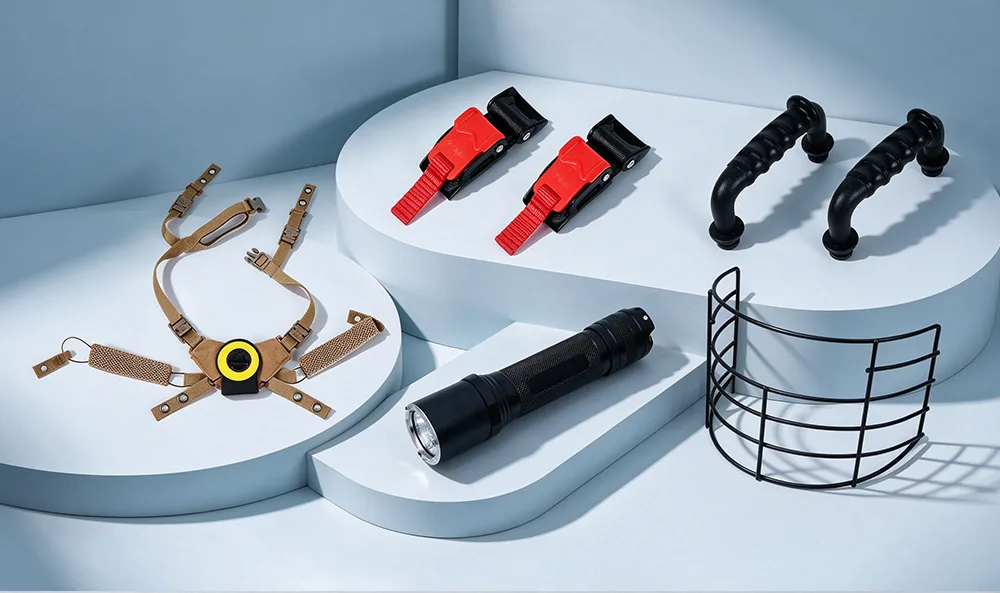
When sourcing components for patrol rifles, tactical shotguns, and sidearms, Police Equipment Parts must meet a far stricter standard than commercial firearm accessories. Law enforcement agencies depend on parts that hold zero under hard use, resist corrosion in humid or coastal climates, and function after repeated exposure to dirt, vehicle stowage, and high-round-count training days. Galaxy has spent two decades supplying these exact components to municipal police departments, county sheriff offices, federal law enforcement units, and certified armorers. The focus is always on dimensional consistency, material integrity, and long service intervals. Every Galaxy Police Equipment Parts line starts with a duty-grade material selection and ends with inspection against published specifications.
Commercial gun parts are often manufactured for recreational use, where occasional malfunctions are an inconvenience. For police work, the same failure is unacceptable. Police Equipment Parts must maintain headspace tolerance, trigger consistency, and gas system alignment across thousands of rounds. Galaxy applies this standard to every component, from small takedown pins to complete bolt carrier groups. The company's armorers work with agency fleet managers to match parts to specific weapon platforms, including AR-15 variants, patrol shotguns, and designated marksman rifles. Each part is selected for predictable wear patterns, which allows departments to schedule preventive replacements instead of reacting to failures in the field.
A commercial bolt carrier group might be acceptable for a weekend shooter, but police duty requires a component that maintains headspace, cycles reliably, and withstands exposure to patrol car trunks, rain, and high-volume training. Galaxy Police Equipment Parts are built for that duty standard, with inspection records available to agency armorers.
Galaxy uses 8620 alloy steel for bolt carriers, 9310 alloy steel for bolts, 4140 chromoly steel for pins and gas blocks, 7075-T6 aluminum for buffer tubes and charging handles, and 6061-T6 aluminum for handguards. Small stainless parts are made from 17-4 or 410 stainless steel where corrosion resistance is critical. These materials are common in military-specification firearms, but Galaxy adds extra inspection steps to control hardness, grain structure, and surface finish.
Galaxy produces carbine buffer tubes in both mil-spec and commercial external profiles. The mil-spec tube has an outer diameter of 1.148 inches at the receiver extension boss, while the commercial tube measures 1.168 inches. The thread pattern is identical at 1.1875-16 UNEF, so both will thread into a standard AR-15 lower receiver. However, the stock must match the tube diameter.
Galaxy offers black nitride and manganese phosphate for bolt carrier groups. Black nitride is the default duty finish because it penetrates the steel surface and provides excellent corrosion resistance without adding thickness. Phosphate is available for agencies that require a traditional military appearance, though it usually needs a light oil film to prevent rust. Both finishes are applied after all machining operations, and critical dimensions such as gas key bore and carrier rail width are checked after finishing.
Individual officers can purchase Galaxy Police Equipment Parts through approved law enforcement dealer accounts or through department purchase orders. Galaxy does not restrict individual officer purchases when the officer can provide proof of employment or an agency purchase authorization. However, warranty and support priority is given to department fleet accounts because those are the primary users of Galaxy products. Officers who install Galaxy parts in personally owned duty rifles should coordinate with their agency armorer to ensure the parts meet department policy.
Galaxy uses a two-stage quality control process for Police Equipment Parts. First, an incoming inspection checks raw material certifications, hardness, and machined dimensions on a sample basis per lot. Second, a final inspection verifies critical features on every high-stress component, including bolt lugs, gas key bores, buffer tube threads, and takedown pin diameters. Automated optical comparators and calibrated thread gauges are used for these checks.
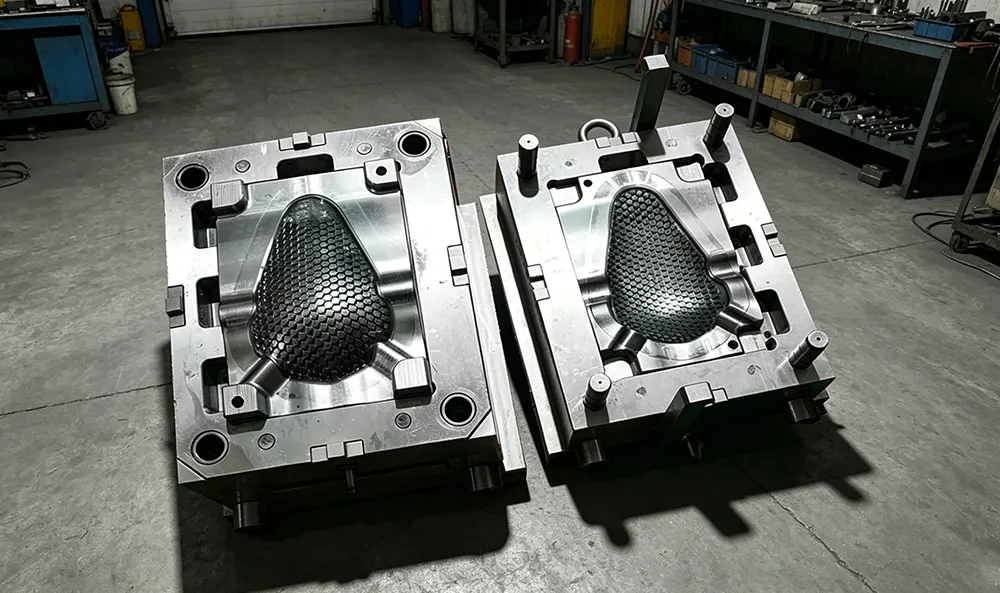
When selecting a Police Equipment Mold, law enforcement gear manufacturers face a unique set of challenges. The mold must deliver exceptional dimensional accuracy, withstand high-volume production cycles, and produce components that perform reliably in demanding field conditions. Galaxy has spent over two decades engineering Mold solutions that address these needs with precision steel, advanced cooling layouts, and rigorous quality control. Our molds support the production of duty gear housings, communication device enclosures, non-lethal weapon components, and structural parts for tactical equipment.
Police equipment is not ordinary consumer goods. A radio housing molded with inconsistent wall thickness may crack during a pursuit. A flashlight body with poor internal geometry can compromise battery contact under vibration. A baton handle with flash or sink marks may fail under stress. The Police Equipment Mold controls these outcomes. Galaxy designs each mold with uniform cooling channels, balanced runner systems, and hardened cavities that produce identical parts from shot one to shot one million. This consistency is essential for components that must pass impact tests, chemical resistance checks, and thermal cycling validations before they are approved for duty use.
Every Police Equipment Mold from Galaxy starts with a full DFM report. Our engineers review the part drawing, identify undercuts, analyze wall thickness, and suggest improvements that reduce mold complexity without changing the product design intent. This step prevents costly modifications later and ensures the mold can be maintained easily in the field.
Galaxy maintains a dedicated quality team for every Police Equipment Mold project. Each mold is inspected at multiple stages: after machining, after heat treatment, after assembly, and after trial molding. We provide full documentation including steel certificates, heat treatment reports, CMM reports, and trial shot data. Our in-house measurement equipment includes coordinate measuring machines accurate to 1.5 microns, optical comparators, and surface roughness testers. For customers requiring specific certifications, Galaxy can coordinate third-party inspection or supply material traceability reports.
Galaxy supports police equipment manufacturers from initial concept through production launch. When you send a part drawing or sample, our team responds within 48 hours with a preliminary mold design, price estimate, and lead time. We also provide a detailed mold specification sheet that lists all components, steel types, heat treatment hardness, and cooling parameters. This transparency helps procurement teams compare quotes accurately and ensures that the final Police Equipment Mold delivers the performance required for law enforcement applications. For ongoing projects, Galaxy assigns a dedicated project manager who is available by phone, email, or video call to answer questions and provide design updates.

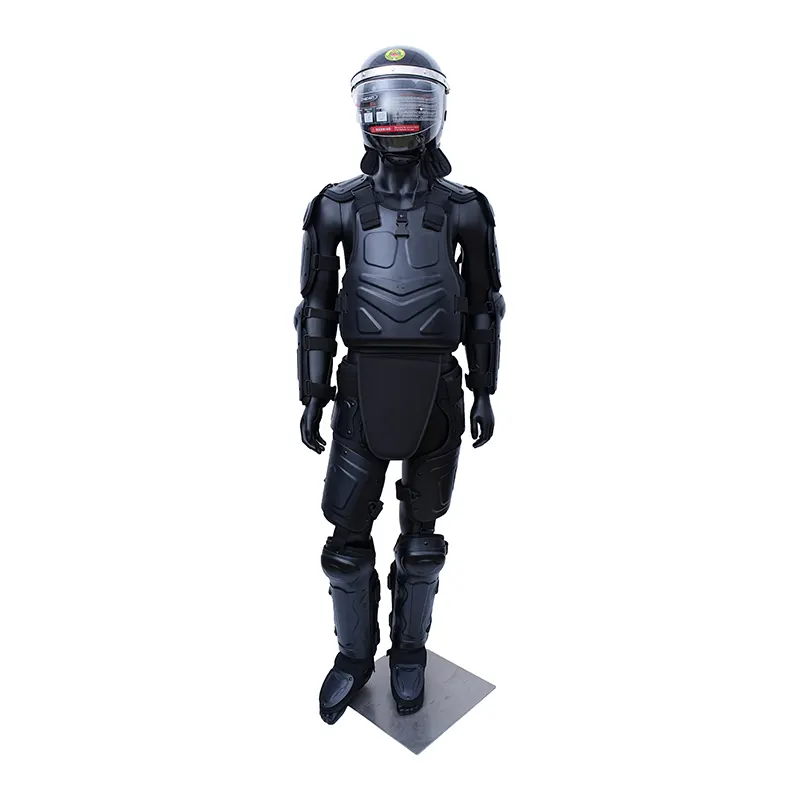
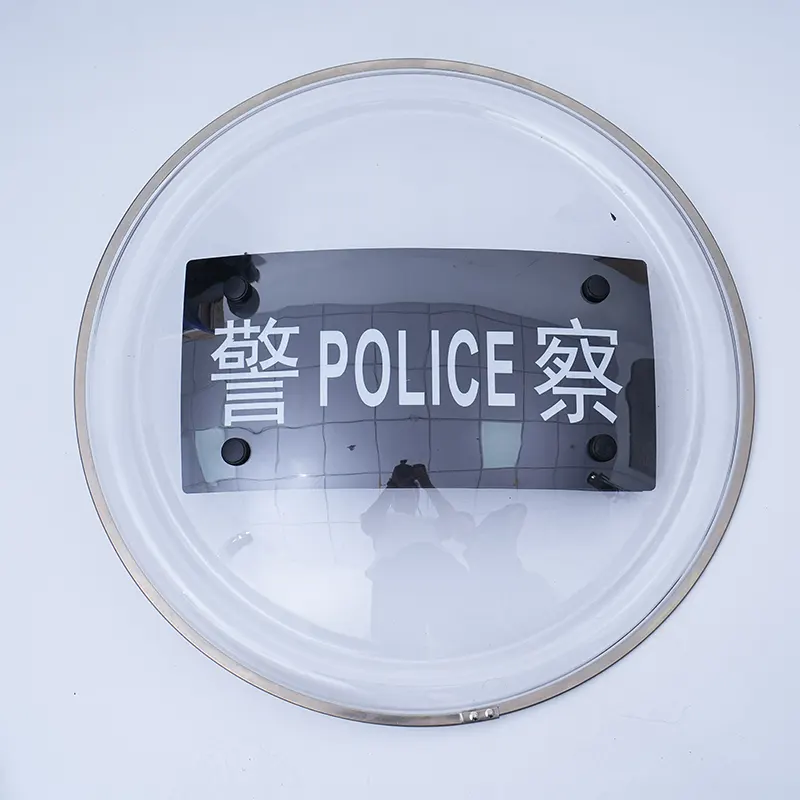
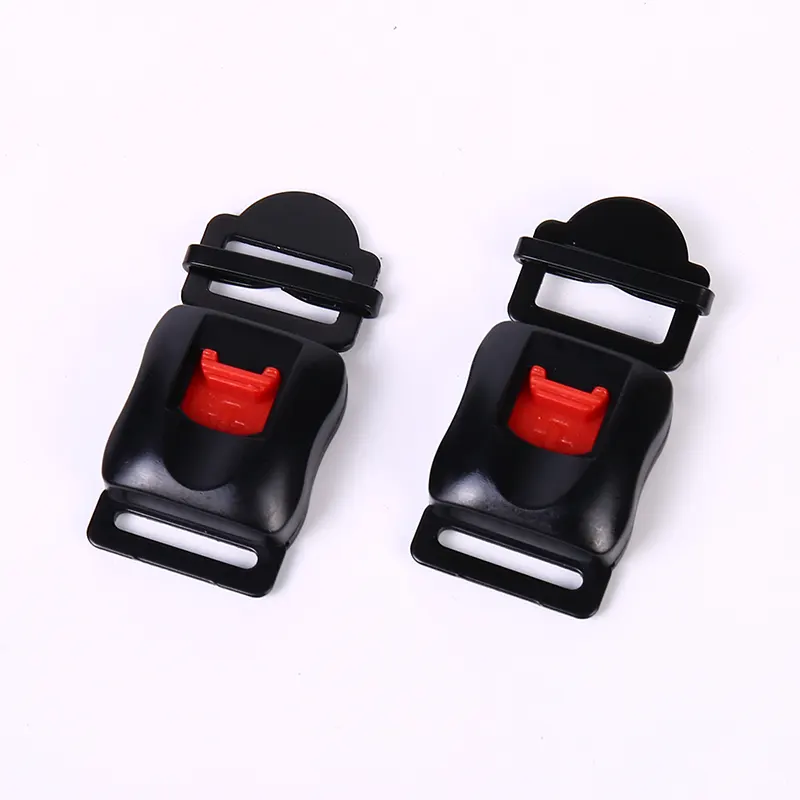
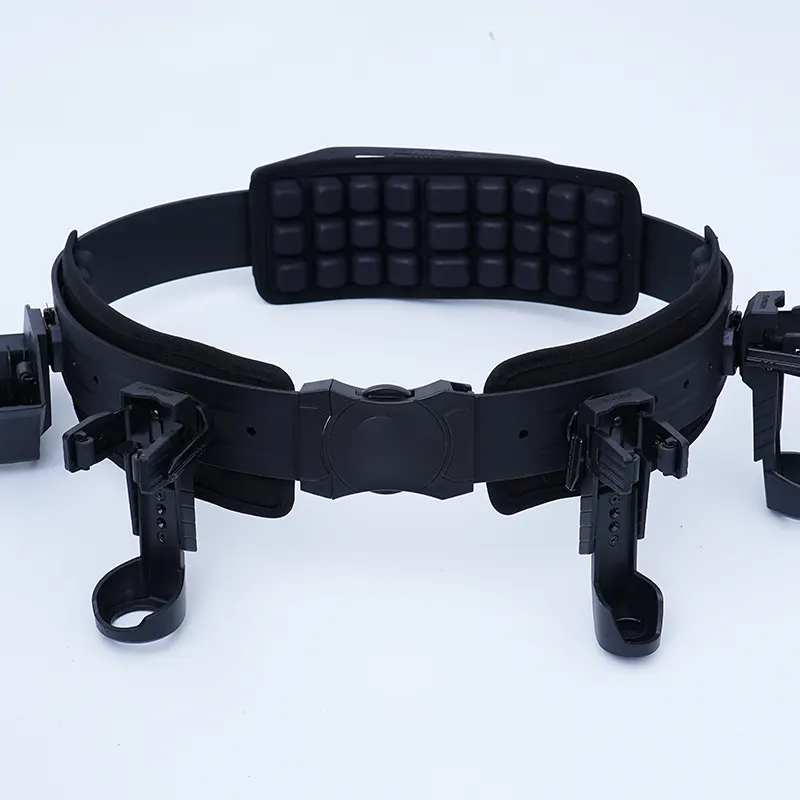
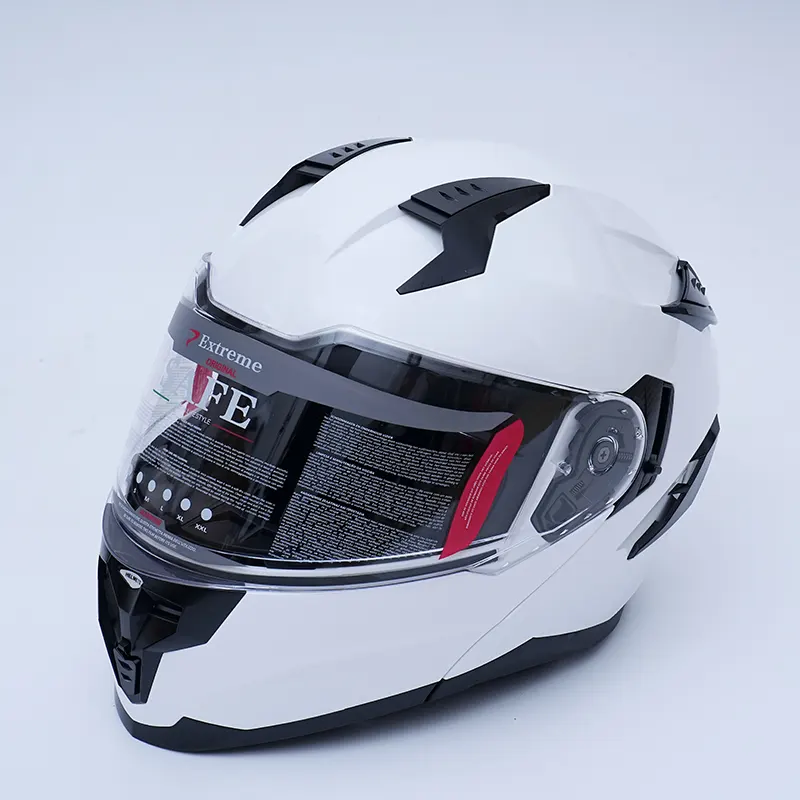
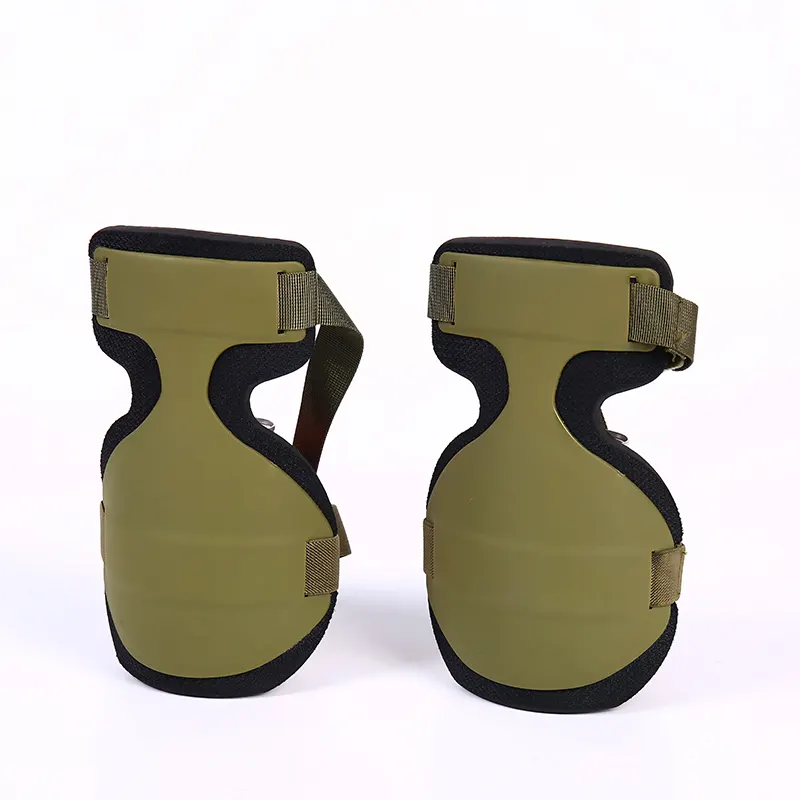
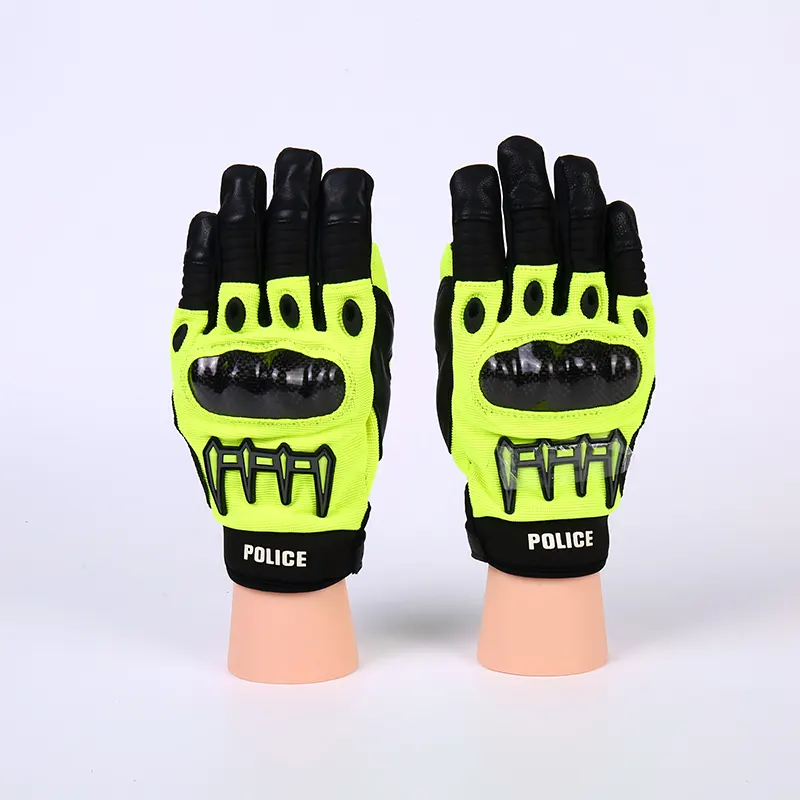
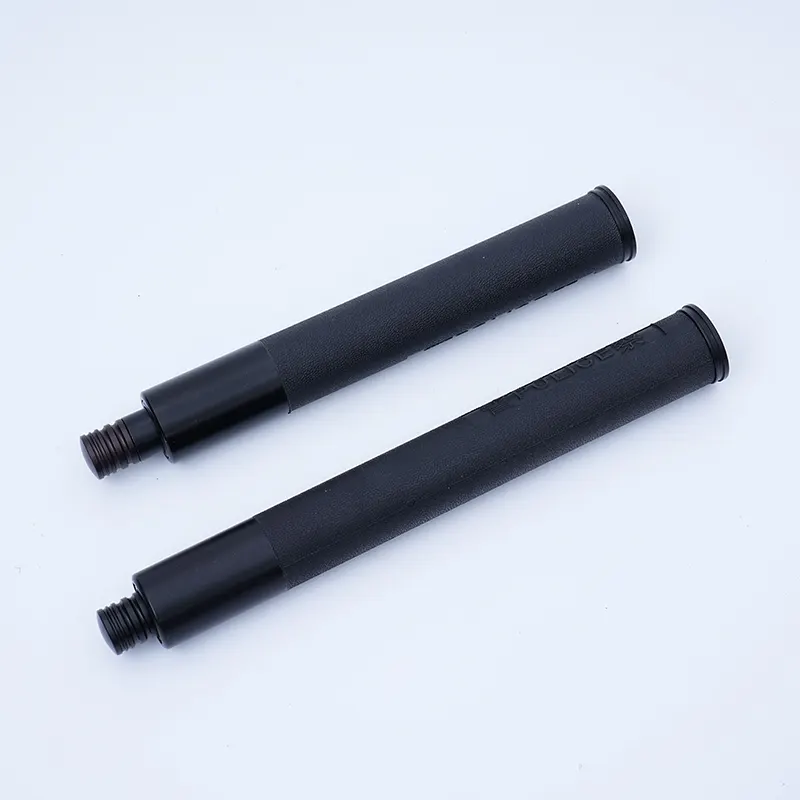
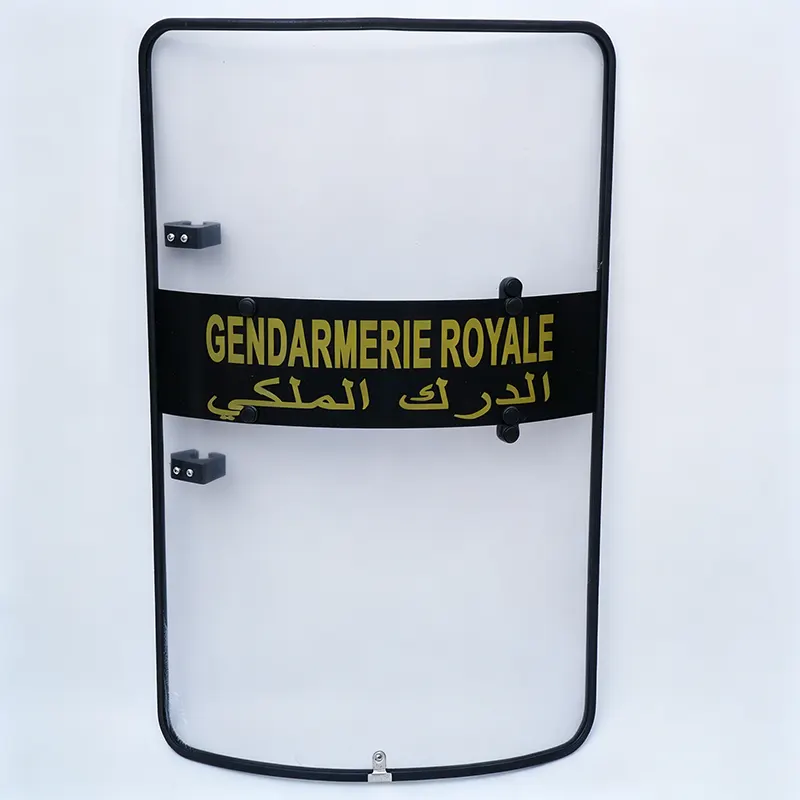
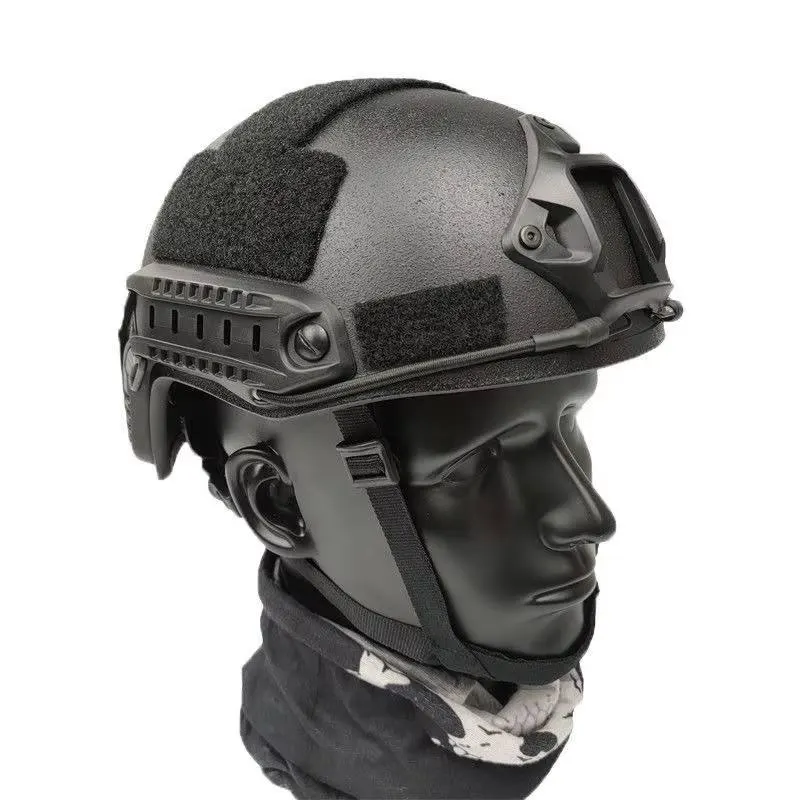

For over 20 years, we have manufactured and exported quality tactical and protective gear to more than 30 countries. Our long-standing presence makes us a reliable partner for global distributors, security agencies, and government contractors.

Operating a 3,700m² facility with 5 standardized production lines and 72+ modern machines—including CNC lathes and turn-mill compound centers—we are equipped to maintain consistent production volumes and deliver precision-fabricated hardware.

We turn your technical drawings, samples, or specifications into ready-to-use gear. From custom armor sizing to specialized hardware parts, our dedicated R&D team provides flexible, tailored manufacturing solutions.

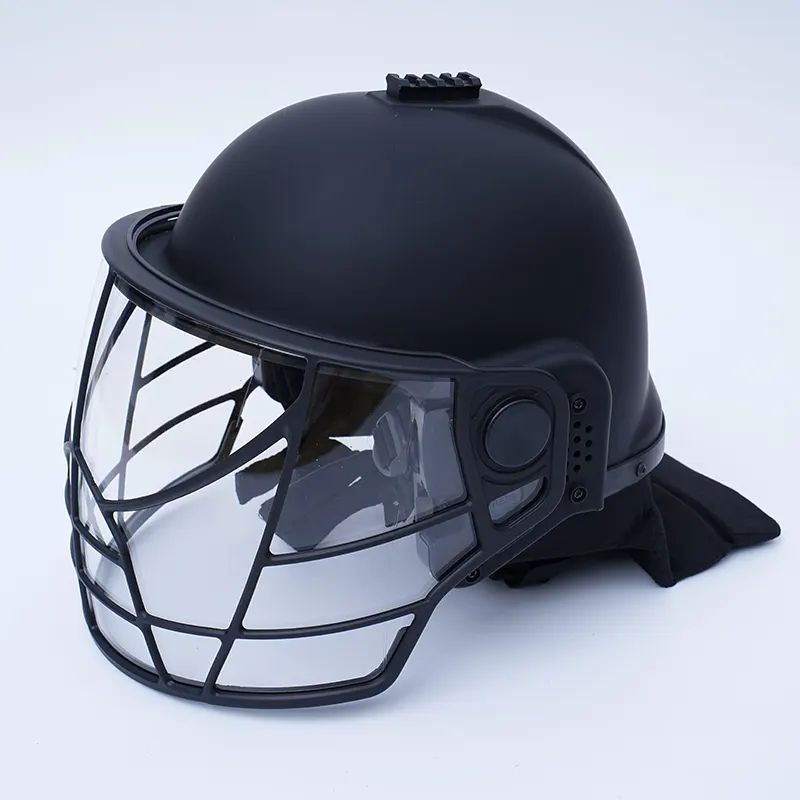
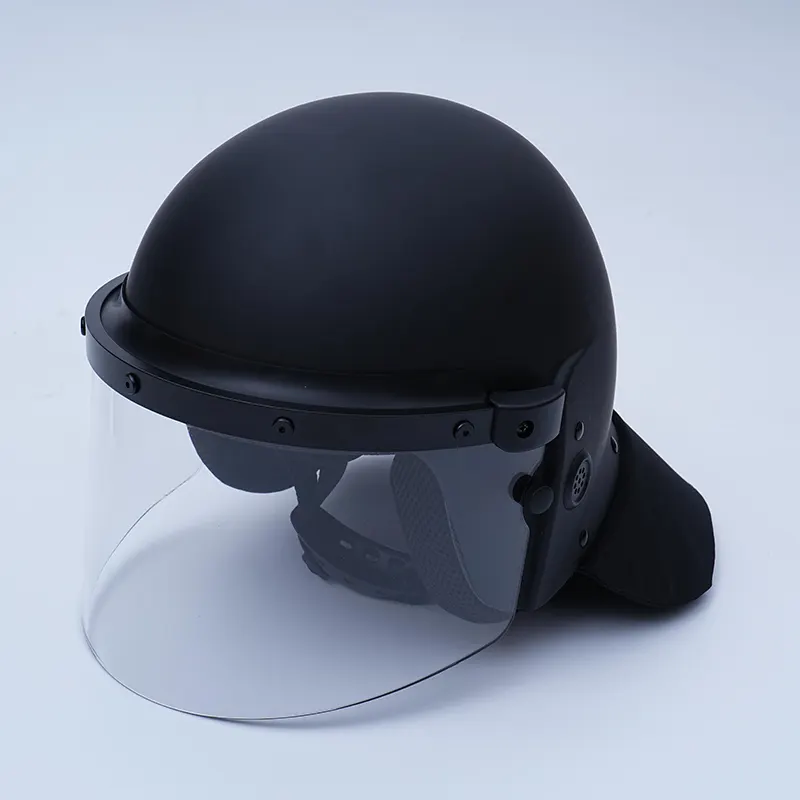
Safety is a priority. Every riot suit, tactical helmet, and shield undergoes strict multi-stage quality control checks throughout production to ensure dependable durability, reliability, and compliance under demanding conditions.

We help reduce market entry risks by offering flexible MOQs and reliable pre-production sample services. Our streamlined supply chain enables standard orders to be processed and ready for dispatch within 15 to 30 days.

Located in Wenzhou’s Sanxi Industrial Park, we are well integrated into East China’s mature transportation network. Leveraging nearby Ningbo Port, we provide efficient, cost-controlled, and reliable global shipping operations.


