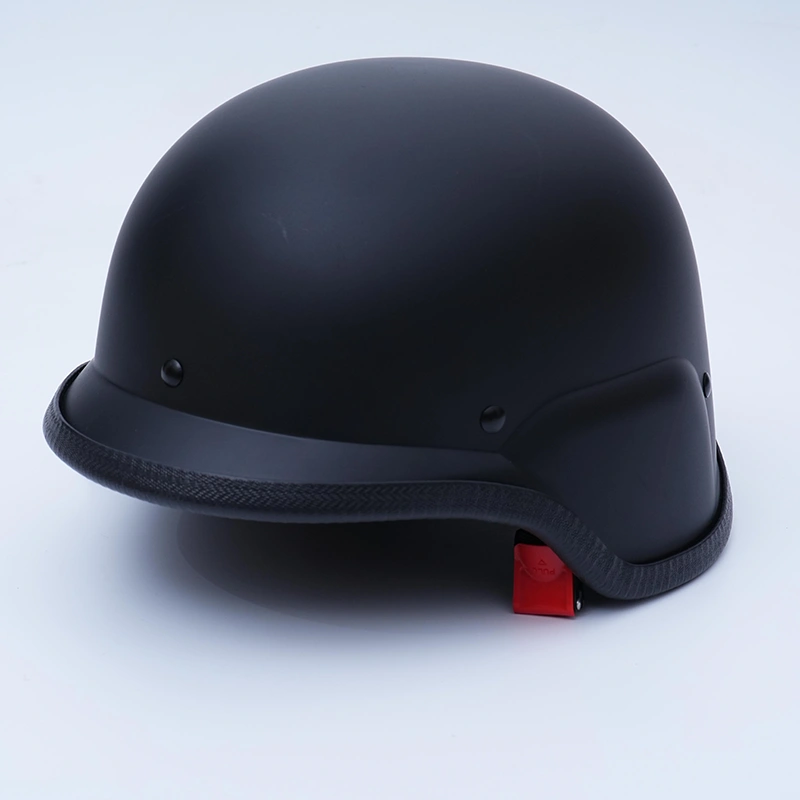
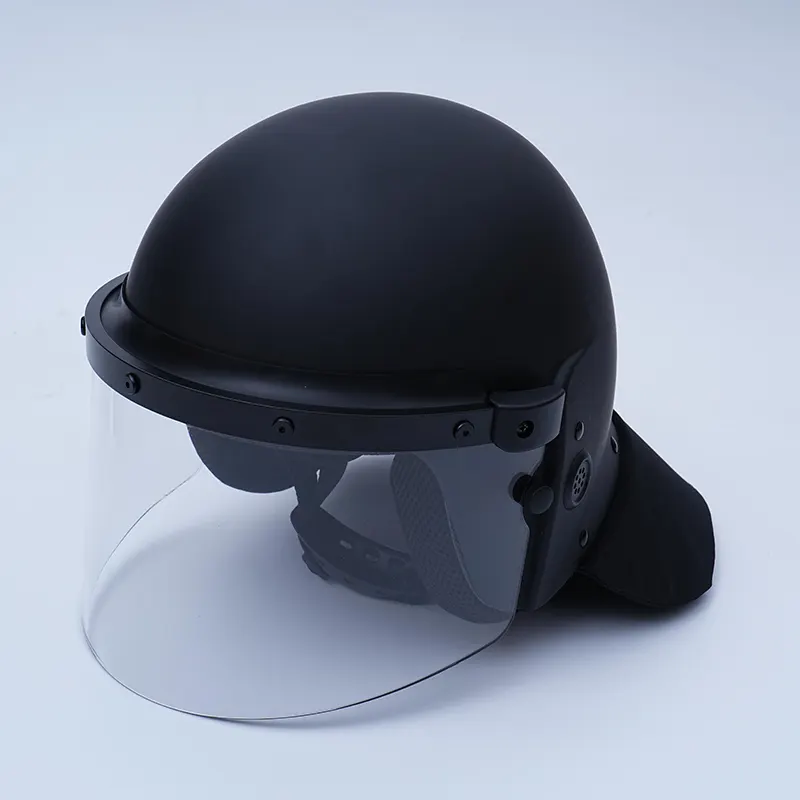
Galaxy, a professional China manufacturer and supplier of protective equipment, offers the German Style Riot Helmet for security patrols, crowd management, and law enforcement operations. Featuring a high-strength engineering plastic shell, an adjustable fit system, and a full-wrap protective profile, this helmet is designed to balance impact resistance, wearing stability, and comfort during demanding duty assignments.
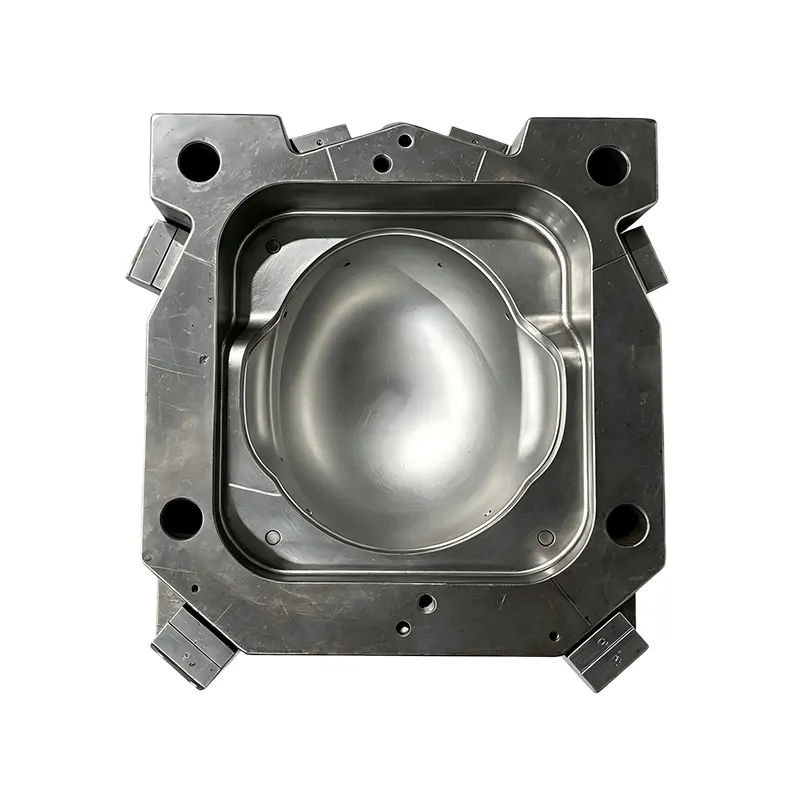
Galaxy provides the PC ABS Anti Riot Helmet Injection Mould for manufacturers seeking repeatable shell dimensions, controlled surface quality, and dependable tooling for injection molding production. Designed for PC and PC+ABS materials, this helmet mould combines a single-cavity integrated structure, pre-hardened mold steel, precision machining, and fine cavity polishing to support stable production and long-term tooling performance.
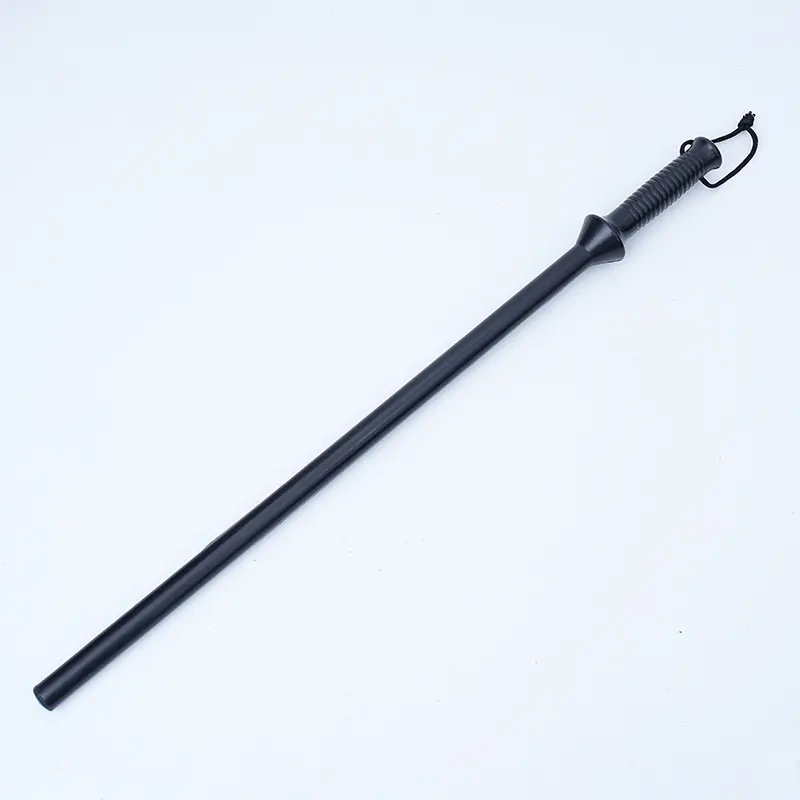
For security personnel assigned to daily patrol, building security, and basic public order tasks, the riot baton is a core piece of standard duty gear. Common conventional batons often present practical usability issues during extended shifts, including reduced grip stability when wet, and risk of dropping during dynamic movement.
For security personnel assigned to mobile patrols, close-quarters crowd management, and indoor public order tasks, standard rectangular riot shields often present practical limitations. Their angular shape can restrict rapid turning and side-to-side movement, while uneven weight distribution can contribute to hand and forearm fatigue during extended single-handed carry.
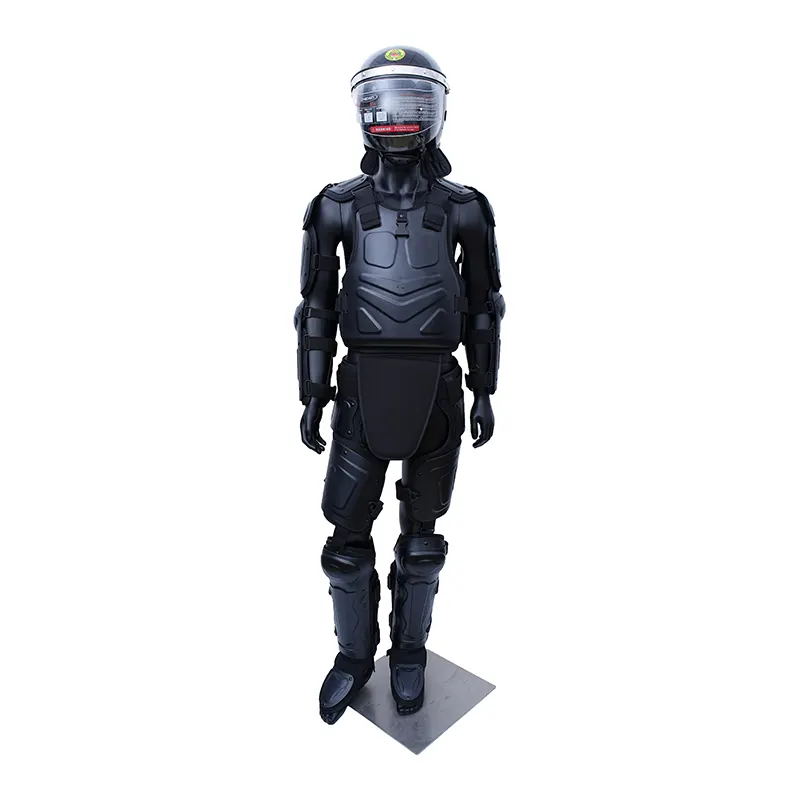
For law enforcement and private security teams assigned to prolonged riot control and public order missions, balancing whole-body protection with operational mobility is a persistent operational consideration. Standard riot suits commonly leave key joint and lower-body areas with reduced impact protection, while heavier, more rigid designs can contribute to faster personnel fatigue during multi-hour deployments.
For law enforcement procurement teams and security contractors, standard riot helmets carry a hidden liability: they leave the neck, lower jaw and rear skull exposed to blunt impacts and thrown projectiles. As public order and correctional operations grow more dynamic, this coverage gap is no longer an acceptable tradeoff for weight savings.
We use cookies to offer you a better browsing experience, analyze site traffic and personalize content. By using this site, you agree to our use of cookies. Privacy Policy


 15 2026-10
  30 2026-09
  20 2026-09
  20 2026-09
  18 2026-09
  18 2026-09

