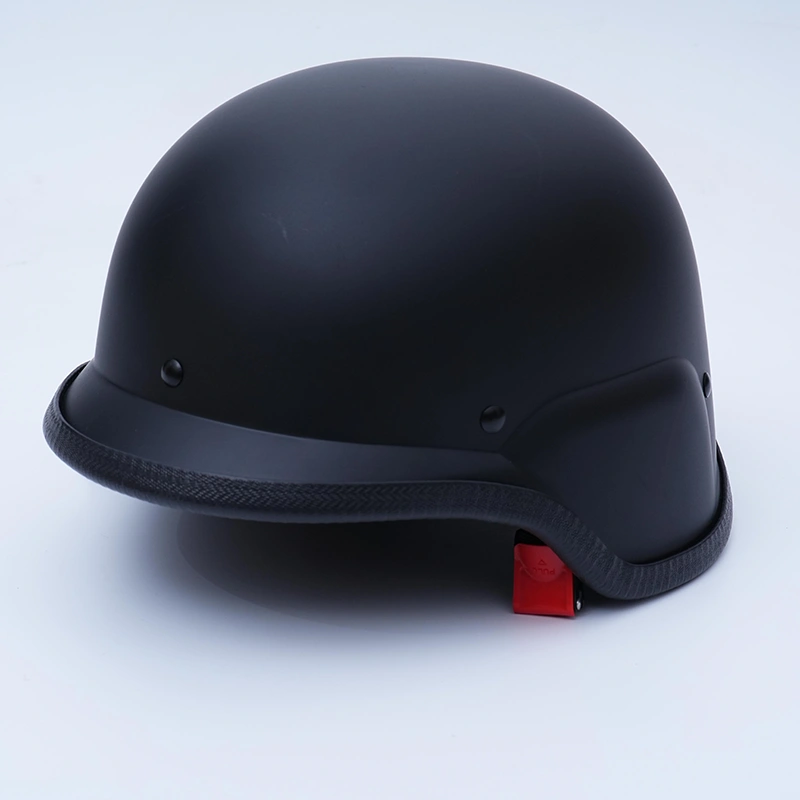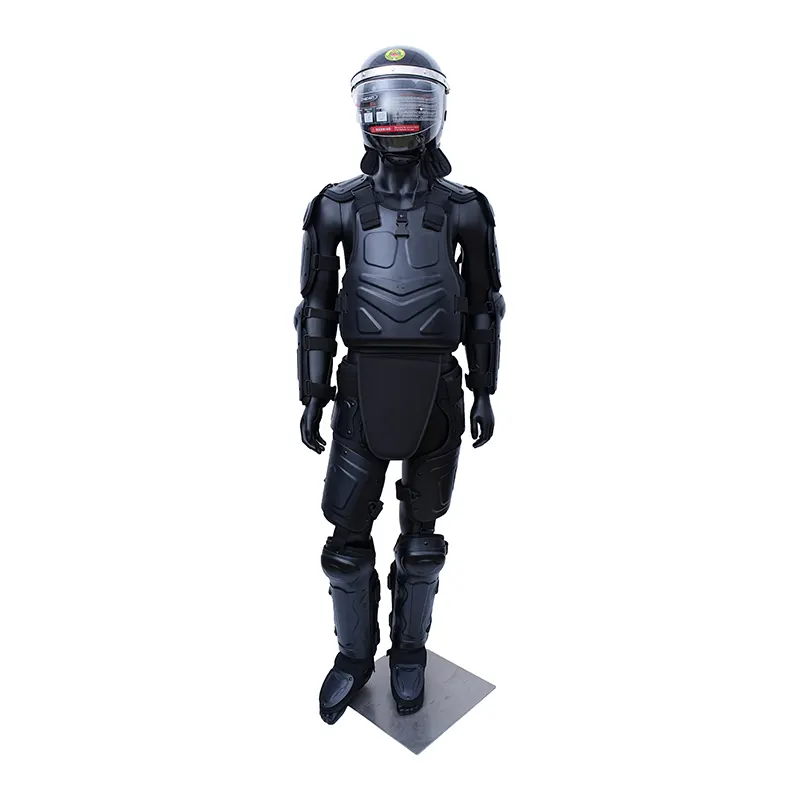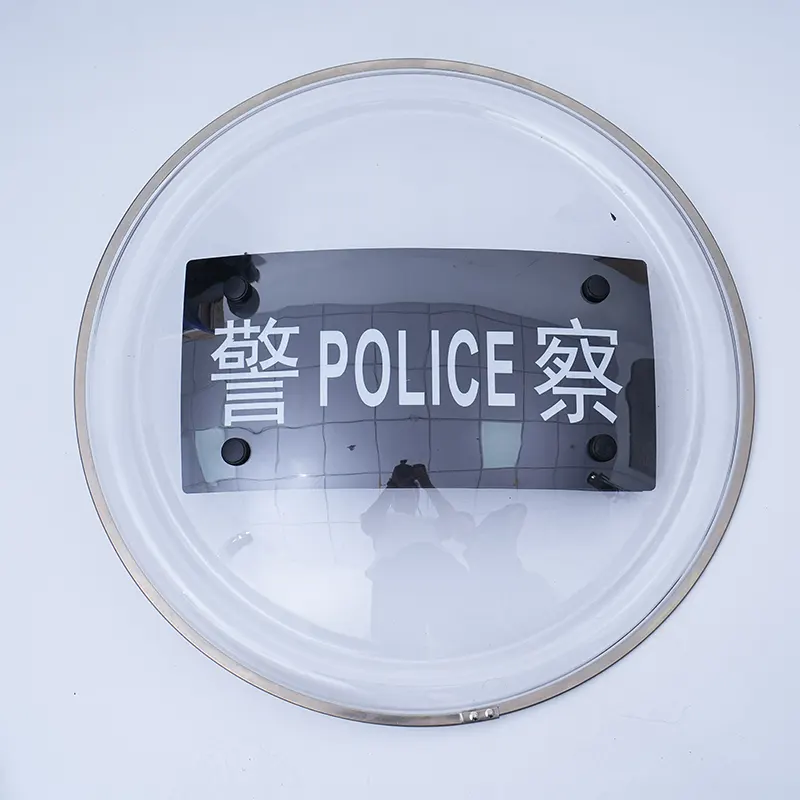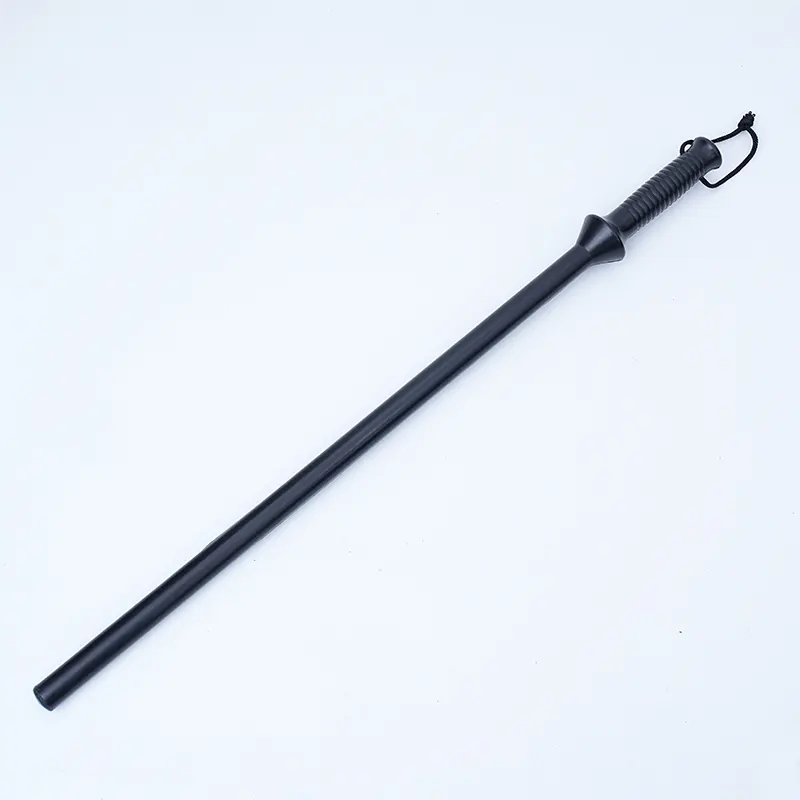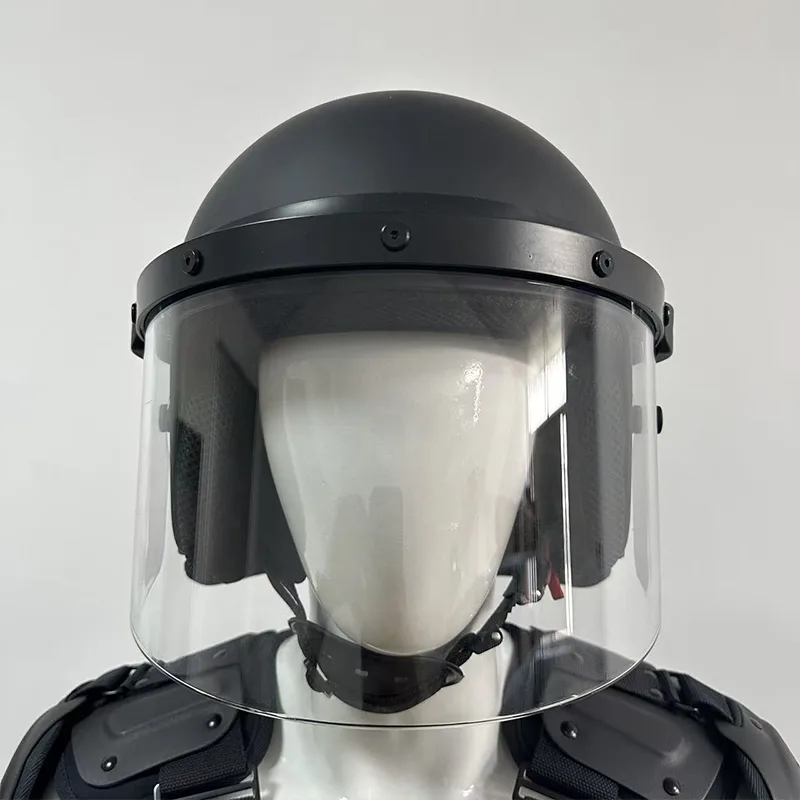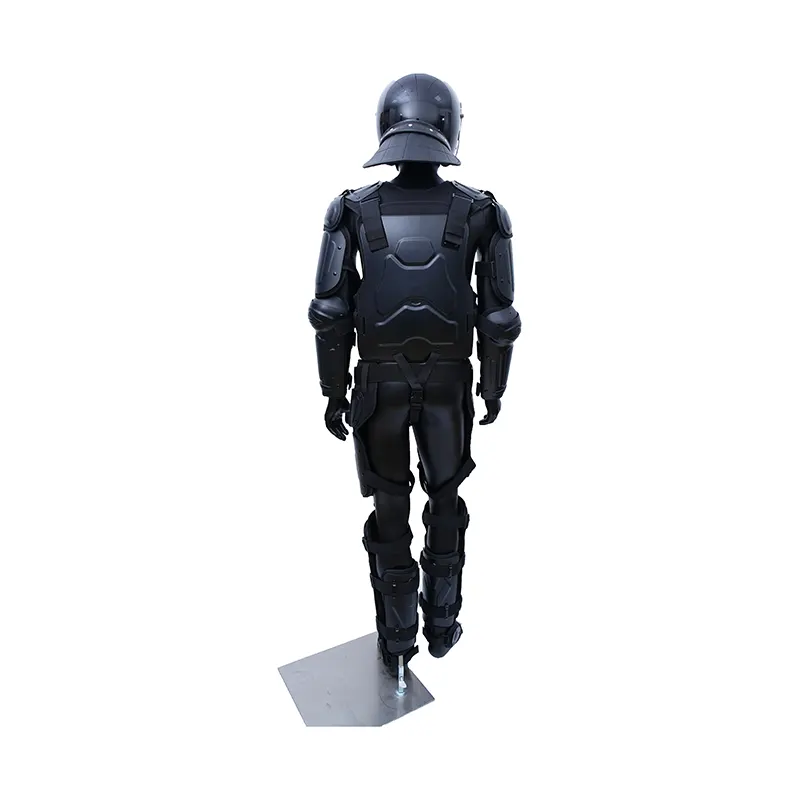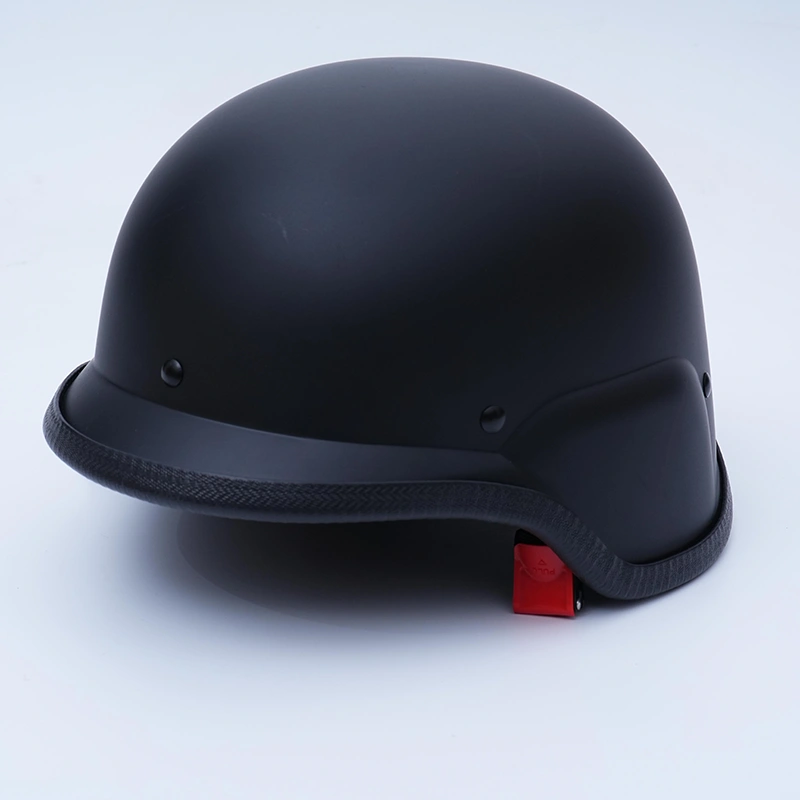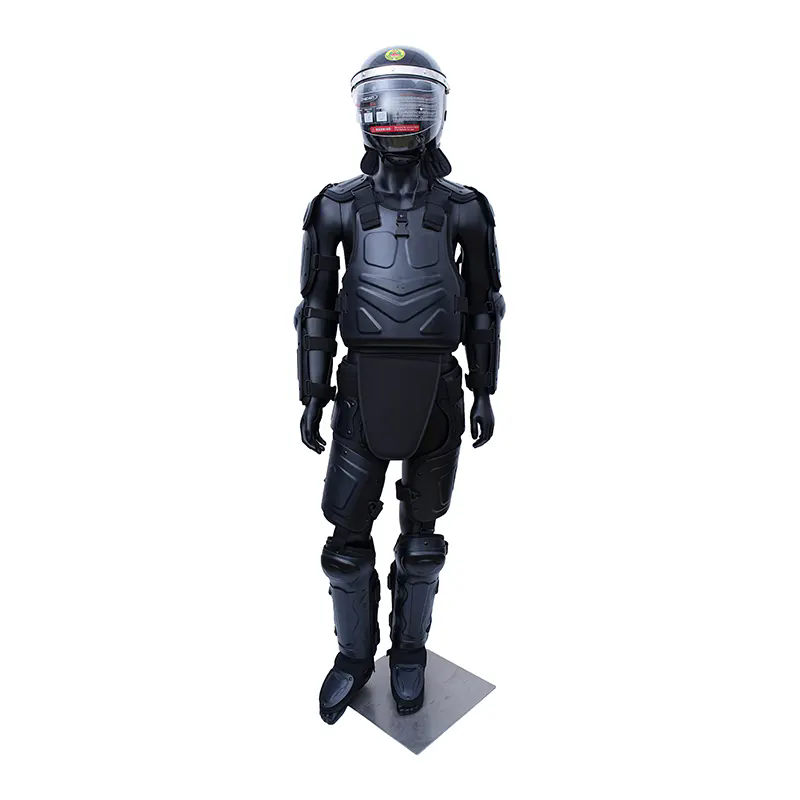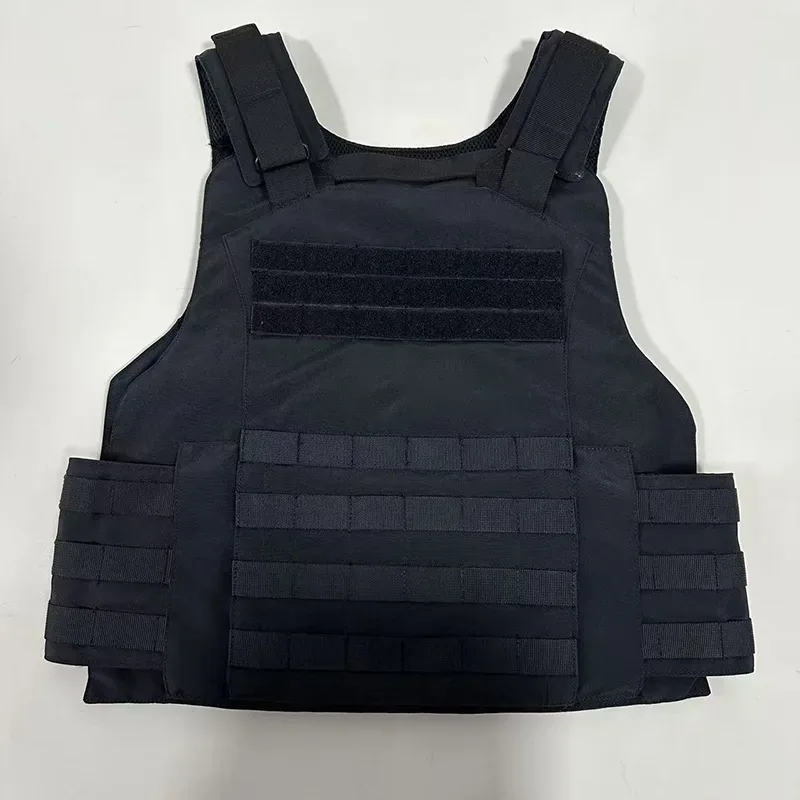
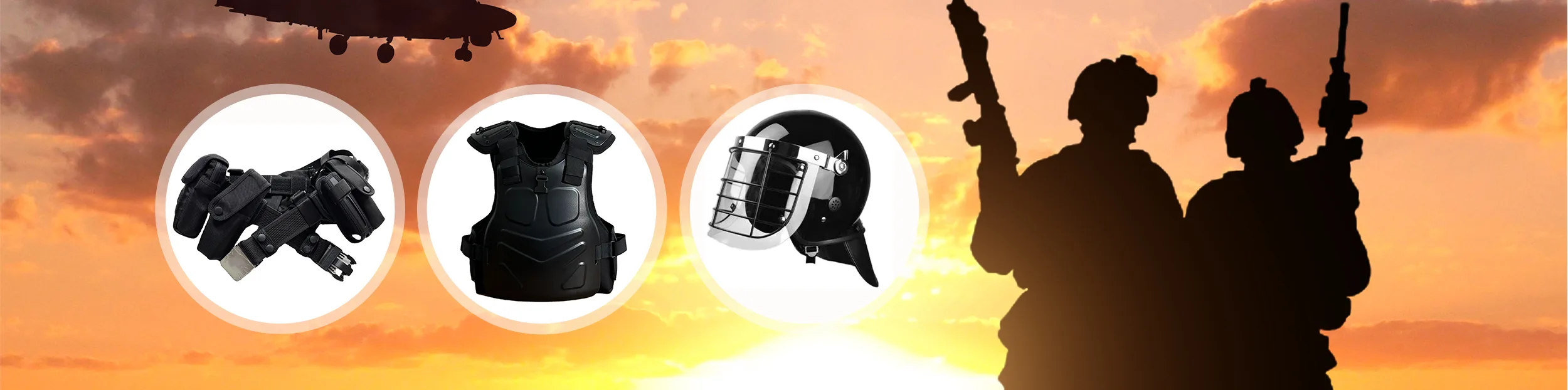
Law enforcement professionals depend on Police Equipment that performs reliably under extreme conditions. From ballistic vests and tactical communication systems to restraints and body-worn cameras, every item must meet strict durability, ergonomics, and safety requirements. Galaxy has spent more than two decades working alongside officers to design gear that balances protection, weight, and field functionality.
Police equipment cannot just look good on a spec sheet. Galaxy subjects every product to a multi-stage testing process that simulates the stress of daily duty. Soft armor panels undergo ballistic testing at multiple angles and temperatures. Handcuffs are cycled through thousands of lock and unlock operations. Body cameras are exposed to dust, water, and drop tests from heights that exceed typical waist-level falls. Flashlights are subjected to thermal shock and continuous vibration. This process ensures that the equipment maintains performance after months of hard use in the field.
Galaxy also runs field trials with volunteer law enforcement agencies. Officers wear the gear during training exercises and real patrol shifts, then submit structured feedback on comfort, accessibility, and failure points. That feedback directly informs product revisions. For example, the current DutyPro handcuff design changed its keyway angle by 8 degrees after field testers reported difficulty unlocking cuffs while wearing winter gloves. Similarly, the Recon PTT headset gained a softer ear cushion material after officers complained about pressure points during eight-hour shifts.
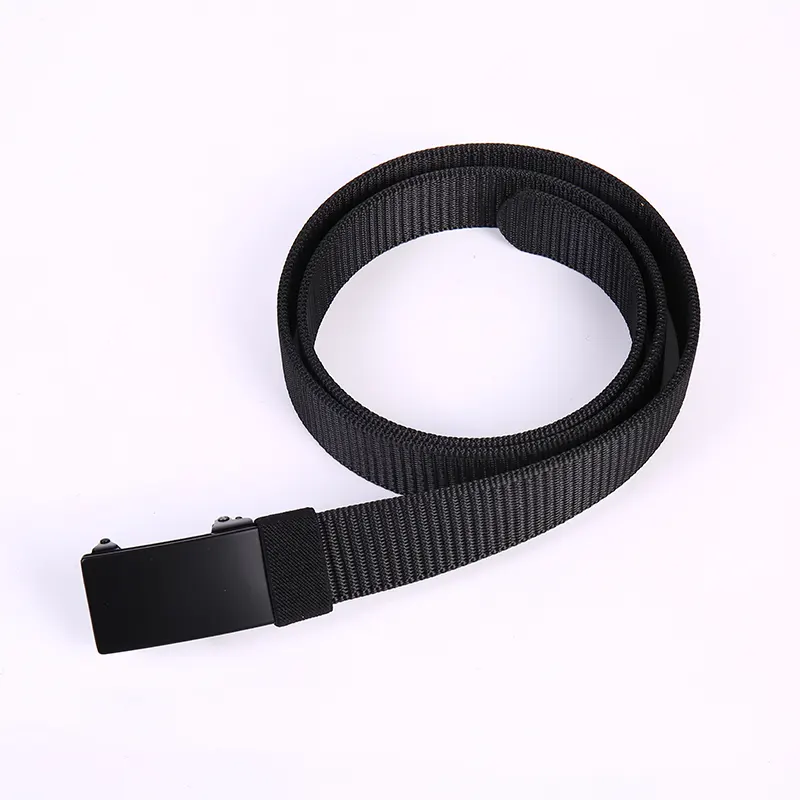
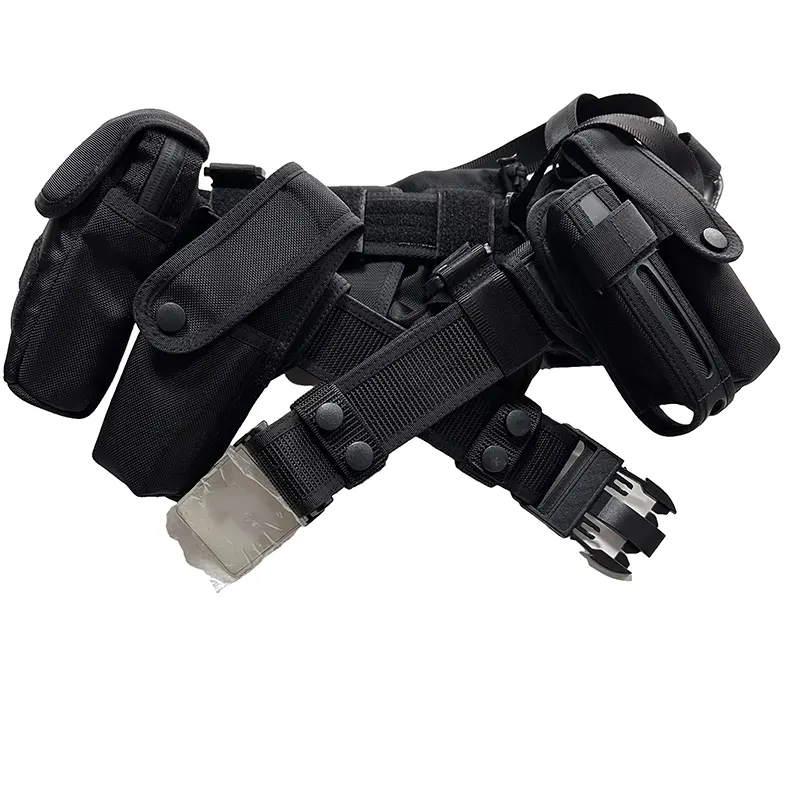
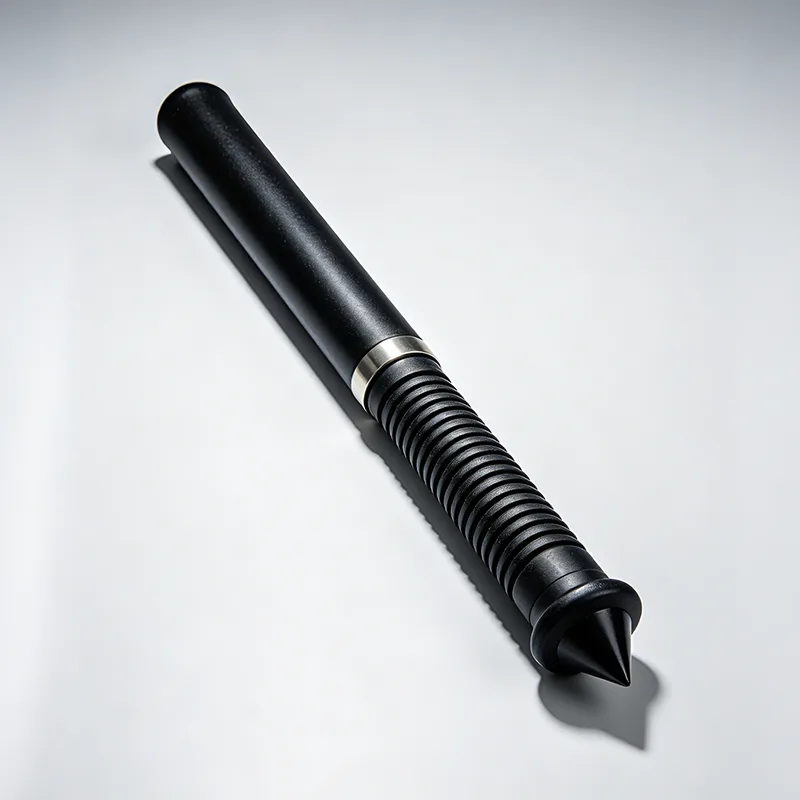
A patrol officer typically carries a firearm, spare magazines, handcuffs, a duty belt, a flashlight, a body camera, a radio with a speaker microphone, a ballistic vest, and less-lethal tools such as pepper spray or a baton. The exact list depends on agency policy and assignment. Galaxy recommends starting with high-quality versions of the most frequently used items: a reliable flashlight, comfortable body armor, and a body camera with long battery life.
Start with the threat level required by your department. Most patrol officers need NIJ IIIA protection against handgun rounds, but you should consider hard plate compatibility if your unit responds to active shooter situations. Fit is equally important. A vest that is too loose shifts during movement and exposes vital areas, while one that is too tight restricts breathing.
Yes. The Galaxy Guardian body camera records files in standard MP4 format with embedded metadata including date, time, officer ID, and GPS coordinates. The files can be uploaded to Galaxy EvidenceVault, but the camera also works with Genetec, Axon Evidence, Motorola CommandCentral, and other major digital evidence management systems.
Yes. Galaxy offers customization for department logos, color options, radio connector types, and software configuration. For body armor, departments can choose between traditional black, coyote tan, navy blue, or high-visibility identifier panels. The Recon PTT headset can be factory-configured to match specific radio models from Motorola, Harris, Kenwood, and others.