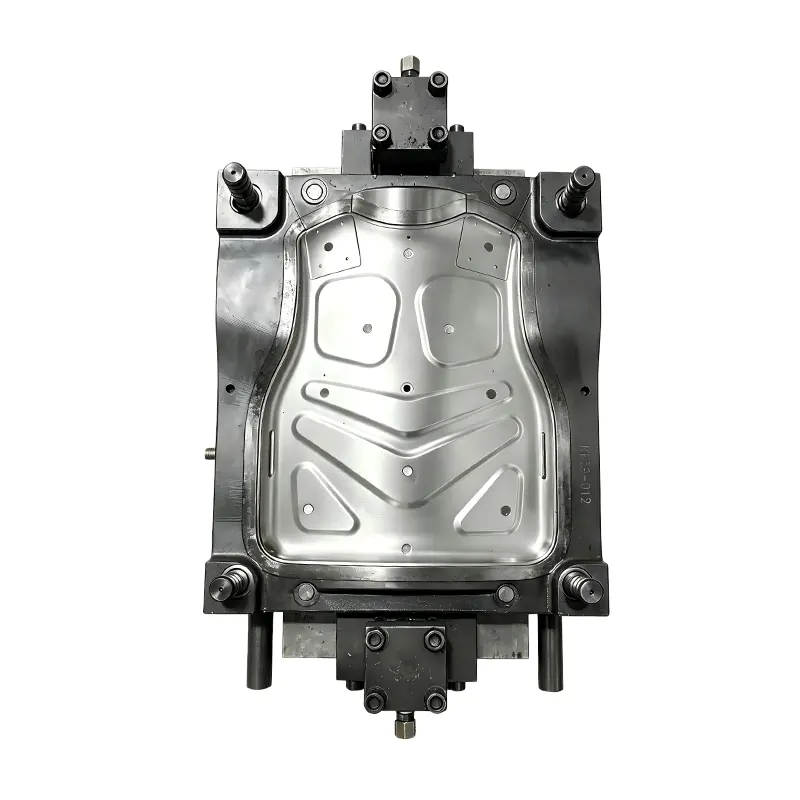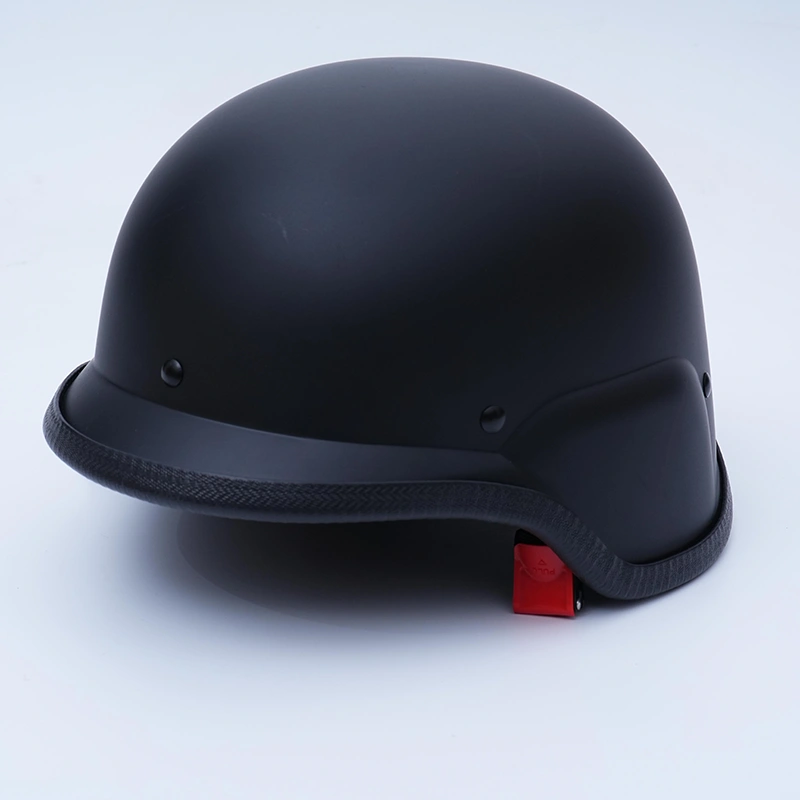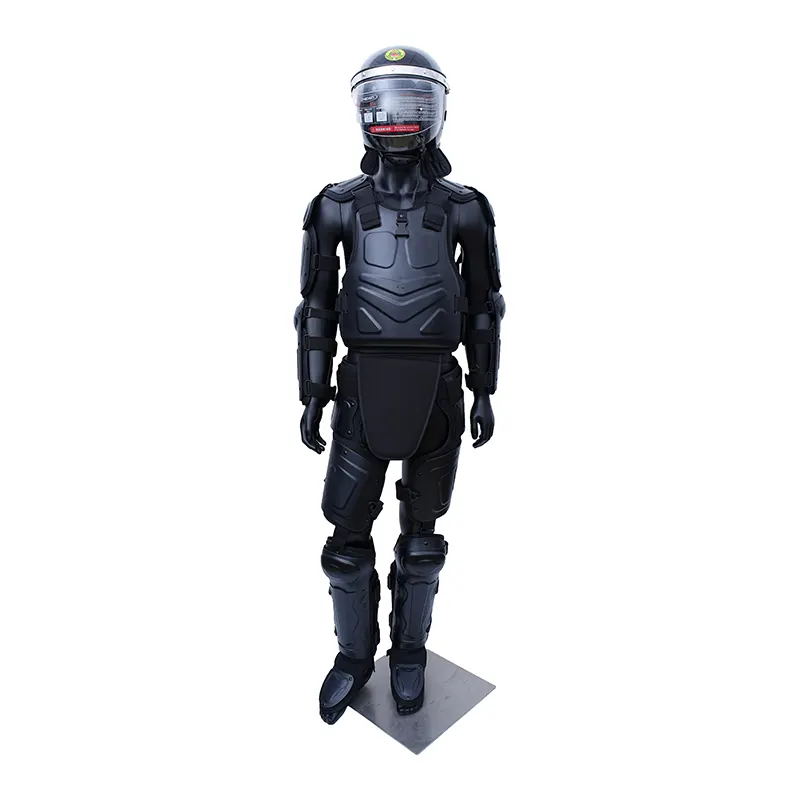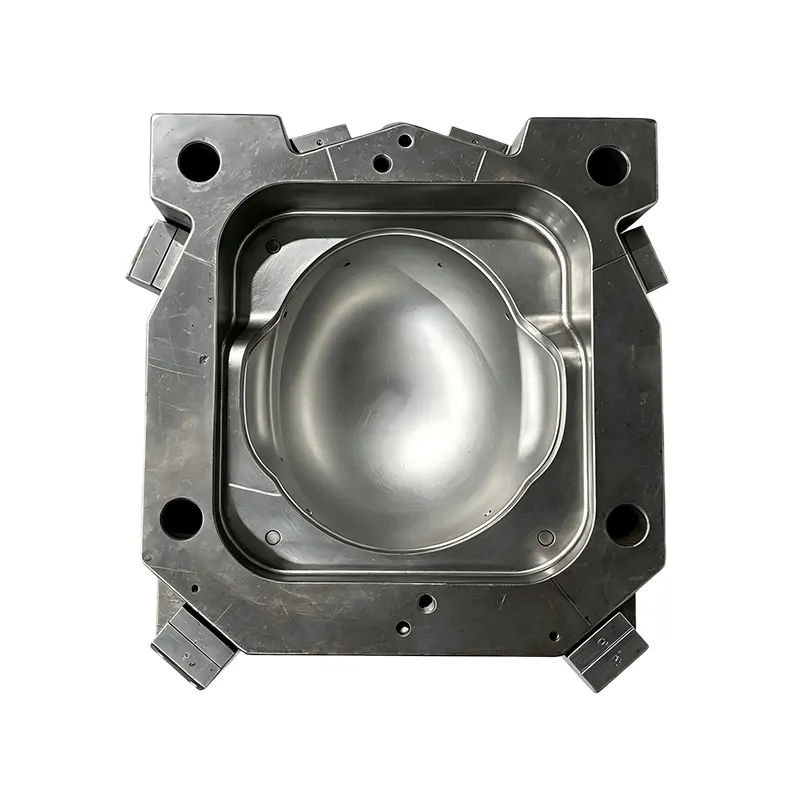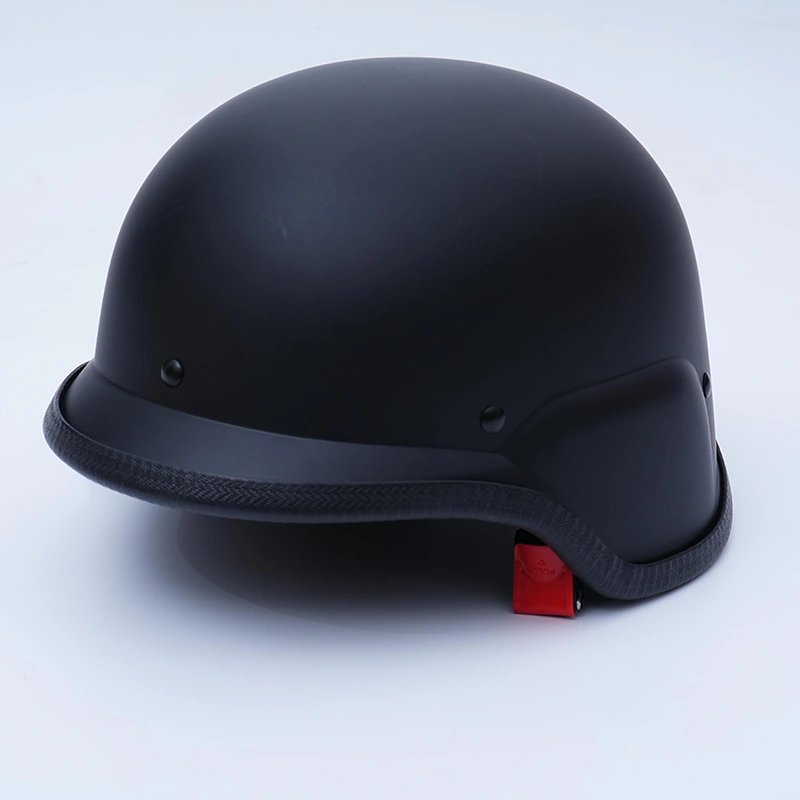

In high-threat environments, personal protection systems must deliver consistent ballistic performance, dimensional accuracy, and long-term durability. The foundation of that performance often begins with the tooling used to manufacture armor components. A Body Armor Plate Injection Mold is a precision-engineered tool that shapes advanced polymer and composite materials into hard armor plates, soft armor backers, trauma pads, and related protective inserts. Galaxy specializes in the design, engineering, and production of these molds, supporting defense, law enforcement, and private security manufacturers worldwide.
It is not a standard plastic injection mold. It must handle high-strength, filled, and often heat-sensitive materials while maintaining extremely tight tolerances. The mold controls wall thickness, fiber orientation, surface finish, and internal stress distribution. Any inconsistency in the mold can create weak points in the final armor plate, which may compromise ballistic resistance. Galaxy engineers approach every Mold project with a failure-mode-driven design philosophy, ensuring each cavity, cooling channel, and ejection component contributes to repeatable, reliable production cycles.
Body armor plates typically use materials such as ultra-high-molecular-weight polyethylene (UHMWPE), aramid-reinforced composites, glass-filled nylon, and polycarbonate blends. These materials flow differently than unfilled resins, generate higher injection pressures, and are more abrasive to mold surfaces. Therefore, the mold must be built with wear-resistant steels, hardened surfaces, and precise venting. Galaxy evaluates the full processing window for each material before finalizing the tool design.
Every Body Armor Plate Injection Mold from Galaxy undergoes a rigorous pre-delivery inspection. The process includes dimensional verification, mold flow validation, and test shoot evaluation. Galaxy uses coordinate measuring machines (CMM) to verify cavity dimensions against the customer’s 3D model. Steel hardness testing, surface roughness measurement, and cooling channel pressure testing are performed before shipment.
During pilot production, Galaxy technicians monitor injection pressure curves, part weight consistency, and visual defects. If required, Laser Doppler vibrometry or ultrasonic testing can be used to detect internal voids or delamination. The goal is not simply to deliver a mold, but to deliver a production-ready tool that meets ballistic insert quality standards from the first shot.
Galaxy Body Armor Plate Injection Molds are used to produce a wide range of protective components. These include hard armor plates for ballistic vests, side plates, trauma pads, rifle plate backers, helmet suspension liners, and protective inserts for vehicle armor systems. The molds can be configured for single-curve, multi-curve, and flat plate designs, with custom texturing or labeling options molded directly into the part.
Q: What materials can be processed?
A: Galaxy molds are designed to process a broad range of high-performance materials, including UHMWPE, aramid-reinforced composites, glass-filled nylon 6/6, polycarbonate blends, polypropylene with ceramic fillers, and thermoplastic polyurethane.
Q: What tolerances can Galaxy achieve for armor plate thickness and flatness?
A: Standard production tolerances are ±0.10 mm for overall thickness and ≤0.50 mm flatness across a 250 mm x 300 mm plate. The high-precision option achieves ±0.03 mm on thickness and ≤0.15 mm flatness. These tolerances are maintained through optimized cooling channel layout, balanced runner systems, controlled packing profiles, and precision-ground mold plates.
Q: Can the mold be used with hot runner systems?
A: Yes. Galaxy supports both cold runner and hot runner configurations.
Q: What maintenance does a Mold require?
A: Regular preventive maintenance is essential to maximize mold life. Galaxy recommends cleaning the mold after every 20,000 to 30,000 shots, inspecting ejector pins and guide components for wear, and replacing O-rings and seals annually. Cooling channels should be flushed with a rust inhibitor every six months. For hot runner molds, nozzle tips and valve pins should be inspected every 50,000 cycles.
Q: Can Galaxy retrofit an existing Body Armor Plate Injection Mold to improve performance?
A: Yes. Galaxy provides mold repair, engineering change, and performance upgrade services. We can analyze an existing mold’s fill pattern, cooling efficiency, and ejection problems, then implement modifications such as adding conformal cooling inserts, changing gate location, upgrading steel hardness, or converting a cold runner to a hot runner system.