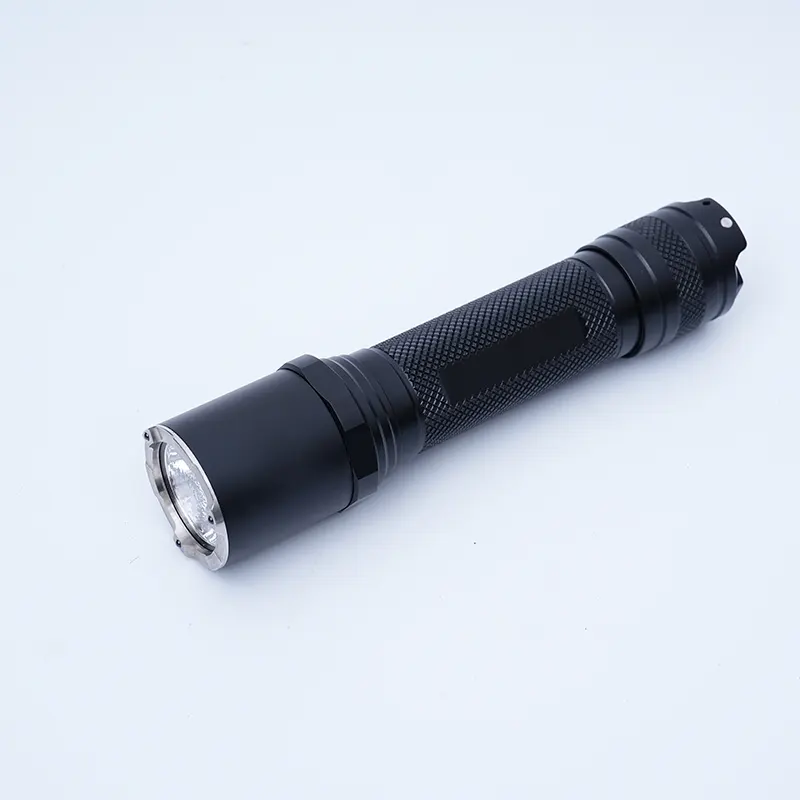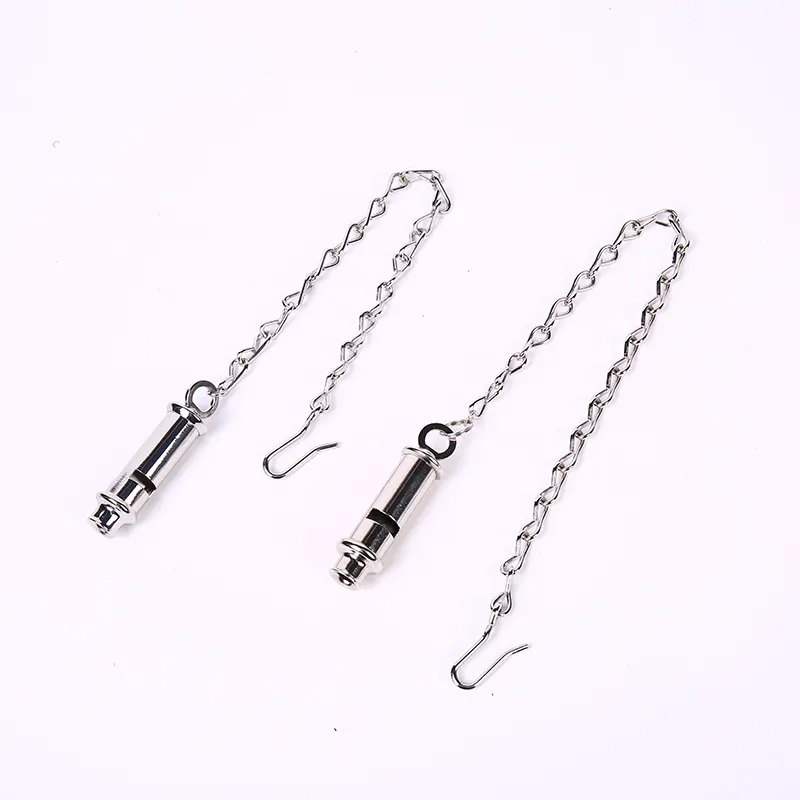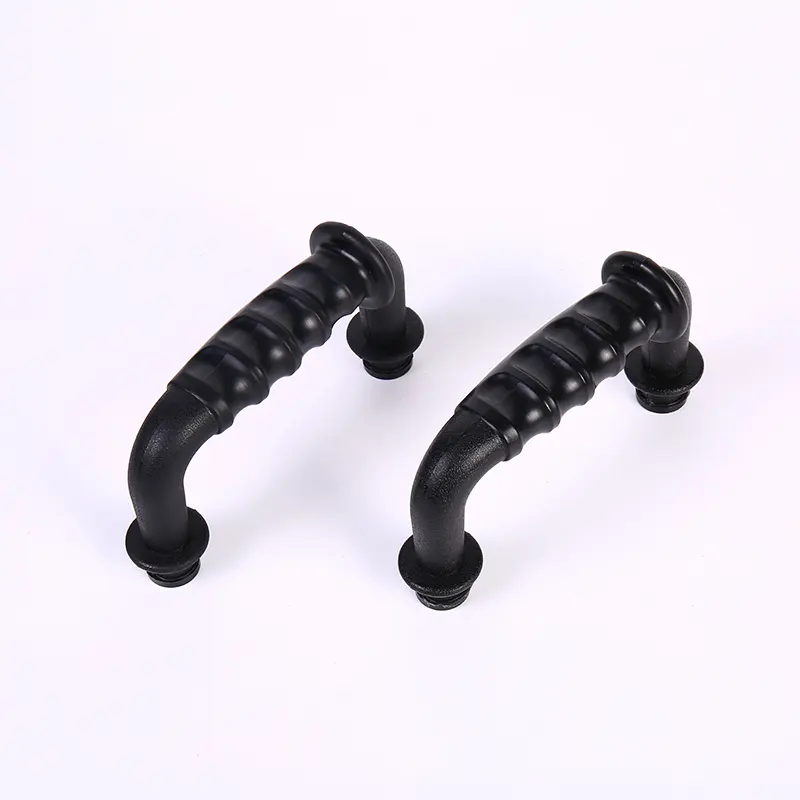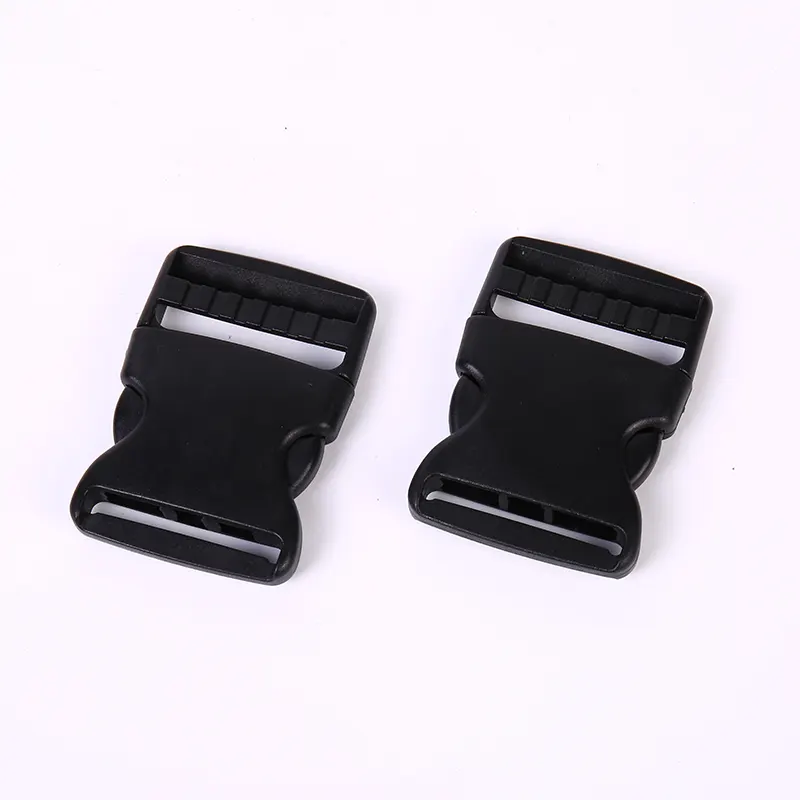
When sourcing components for patrol rifles, tactical shotguns, and sidearms, Police Equipment Parts must meet a far stricter standard than commercial firearm accessories. Law enforcement agencies depend on parts that hold zero under hard use, resist corrosion in humid or coastal climates, and function after repeated exposure to dirt, vehicle stowage, and high-round-count training days. Galaxy has spent two decades supplying these exact components to municipal police departments, county sheriff offices, federal law enforcement units, and certified armorers. The focus is always on dimensional consistency, material integrity, and long service intervals. Every Galaxy Police Equipment Parts line starts with a duty-grade material selection and ends with inspection against published specifications.
Commercial gun parts are often manufactured for recreational use, where occasional malfunctions are an inconvenience. For police work, the same failure is unacceptable. Police Equipment Parts must maintain headspace tolerance, trigger consistency, and gas system alignment across thousands of rounds. Galaxy applies this standard to every component, from small takedown pins to complete bolt carrier groups. The company's armorers work with agency fleet managers to match parts to specific weapon platforms, including AR-15 variants, patrol shotguns, and designated marksman rifles. Each part is selected for predictable wear patterns, which allows departments to schedule preventive replacements instead of reacting to failures in the field.
A commercial bolt carrier group might be acceptable for a weekend shooter, but police duty requires a component that maintains headspace, cycles reliably, and withstands exposure to patrol car trunks, rain, and high-volume training. Galaxy Police Equipment Parts are built for that duty standard, with inspection records available to agency armorers.
Galaxy uses 8620 alloy steel for bolt carriers, 9310 alloy steel for bolts, 4140 chromoly steel for pins and gas blocks, 7075-T6 aluminum for buffer tubes and charging handles, and 6061-T6 aluminum for handguards. Small stainless parts are made from 17-4 or 410 stainless steel where corrosion resistance is critical. These materials are common in military-specification firearms, but Galaxy adds extra inspection steps to control hardness, grain structure, and surface finish.
Galaxy produces carbine buffer tubes in both mil-spec and commercial external profiles. The mil-spec tube has an outer diameter of 1.148 inches at the receiver extension boss, while the commercial tube measures 1.168 inches. The thread pattern is identical at 1.1875-16 UNEF, so both will thread into a standard AR-15 lower receiver. However, the stock must match the tube diameter.
Galaxy offers black nitride and manganese phosphate for bolt carrier groups. Black nitride is the default duty finish because it penetrates the steel surface and provides excellent corrosion resistance without adding thickness. Phosphate is available for agencies that require a traditional military appearance, though it usually needs a light oil film to prevent rust. Both finishes are applied after all machining operations, and critical dimensions such as gas key bore and carrier rail width are checked after finishing.
Individual officers can purchase Galaxy Police Equipment Parts through approved law enforcement dealer accounts or through department purchase orders. Galaxy does not restrict individual officer purchases when the officer can provide proof of employment or an agency purchase authorization. However, warranty and support priority is given to department fleet accounts because those are the primary users of Galaxy products. Officers who install Galaxy parts in personally owned duty rifles should coordinate with their agency armorer to ensure the parts meet department policy.
Galaxy uses a two-stage quality control process for Police Equipment Parts. First, an incoming inspection checks raw material certifications, hardness, and machined dimensions on a sample basis per lot. Second, a final inspection verifies critical features on every high-stress component, including bolt lugs, gas key bores, buffer tube threads, and takedown pin diameters. Automated optical comparators and calibrated thread gauges are used for these checks.