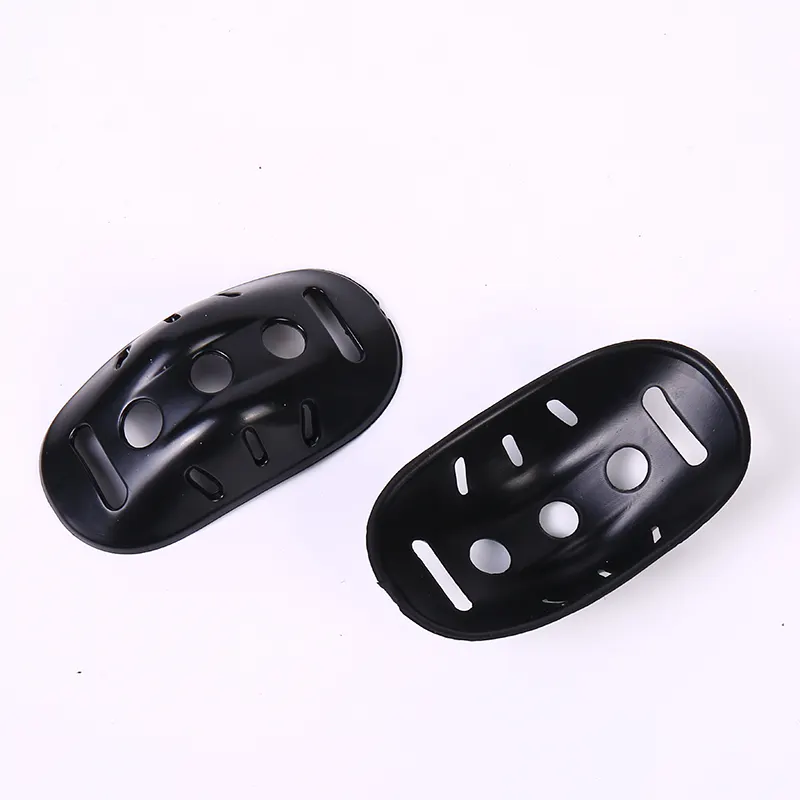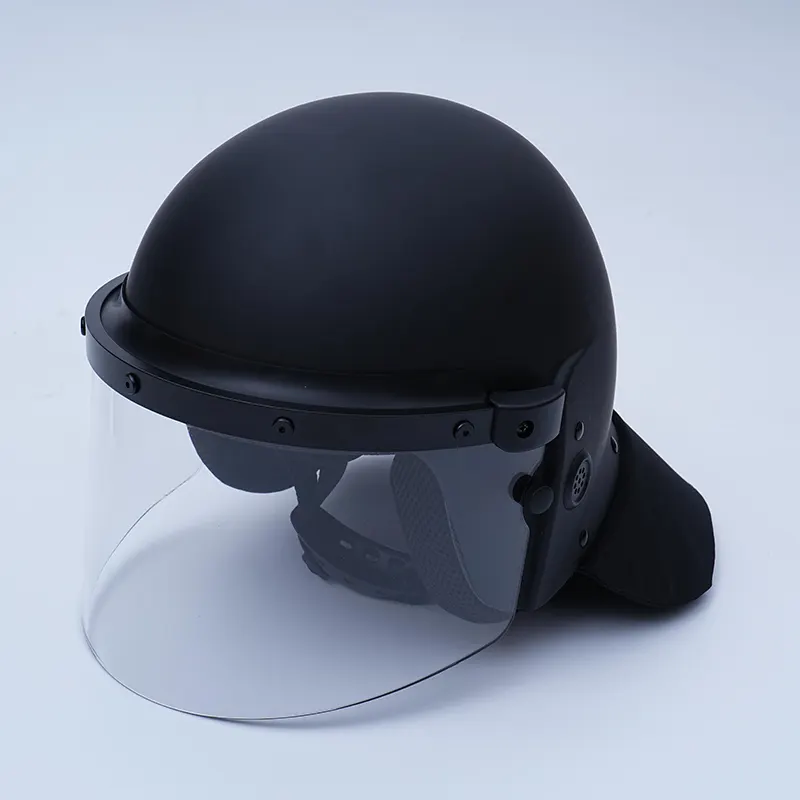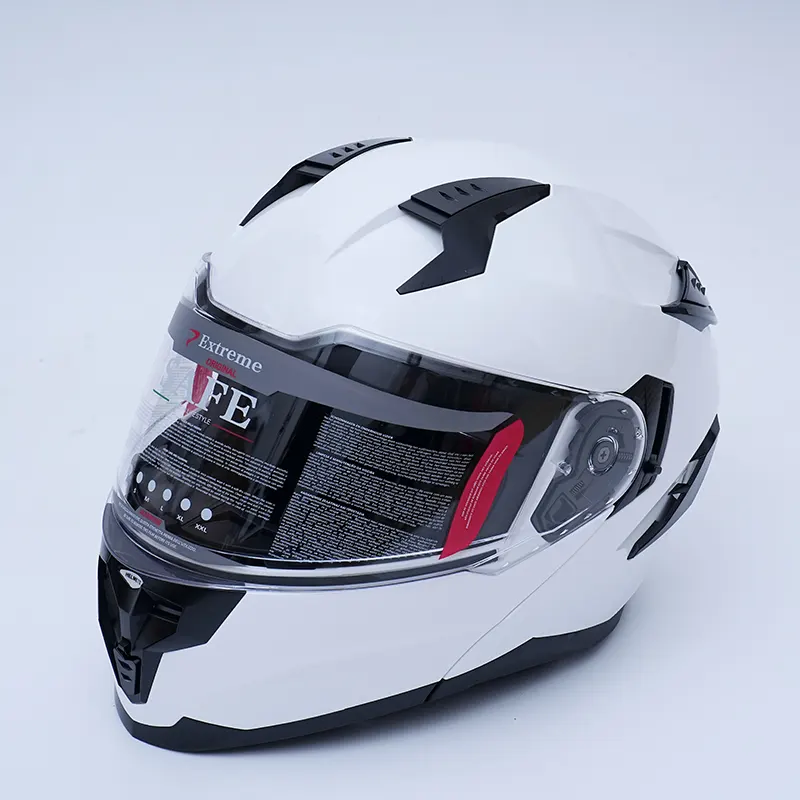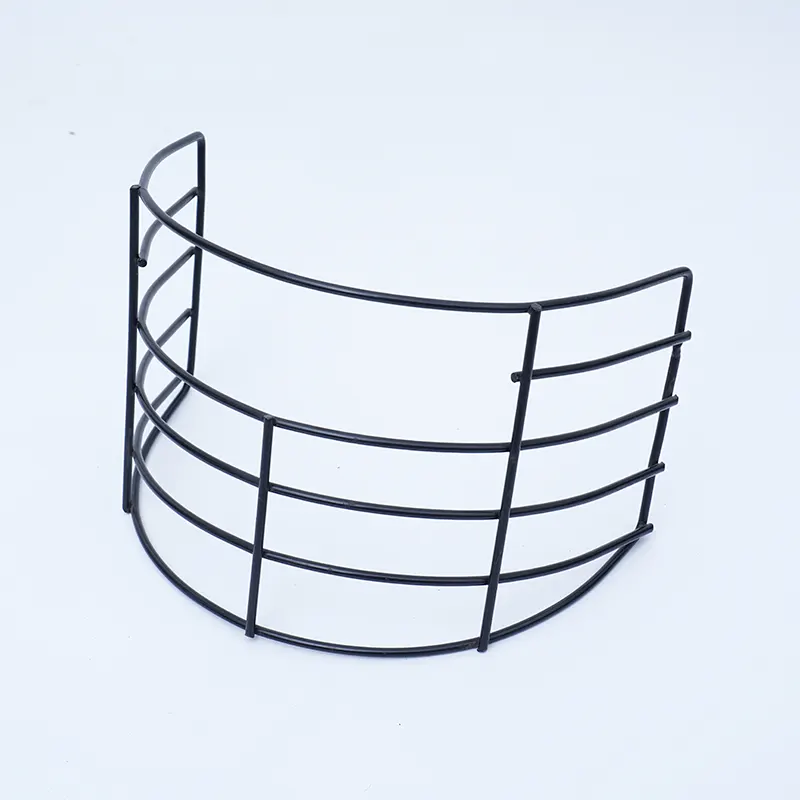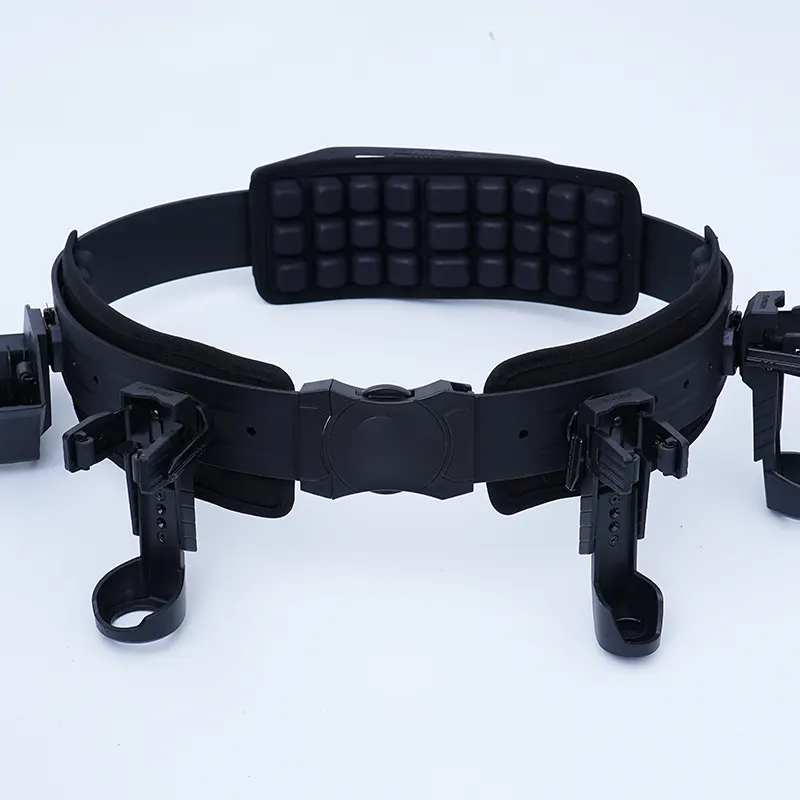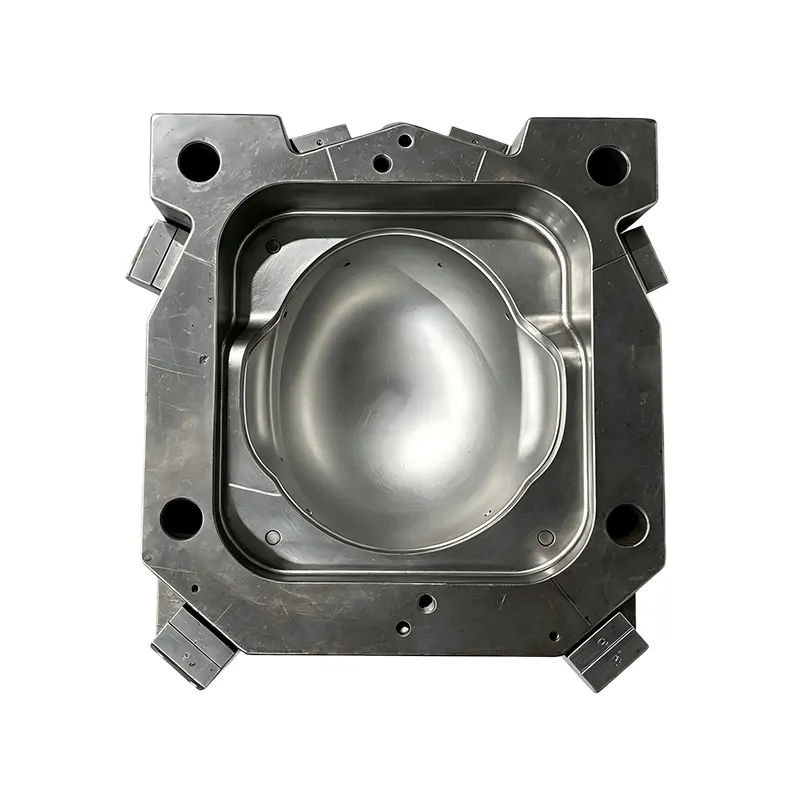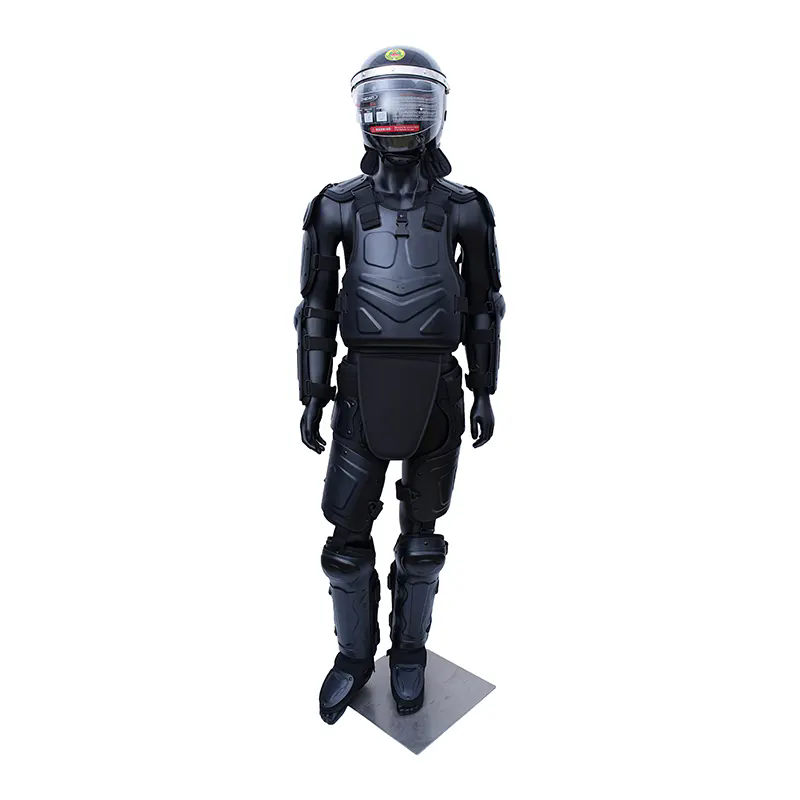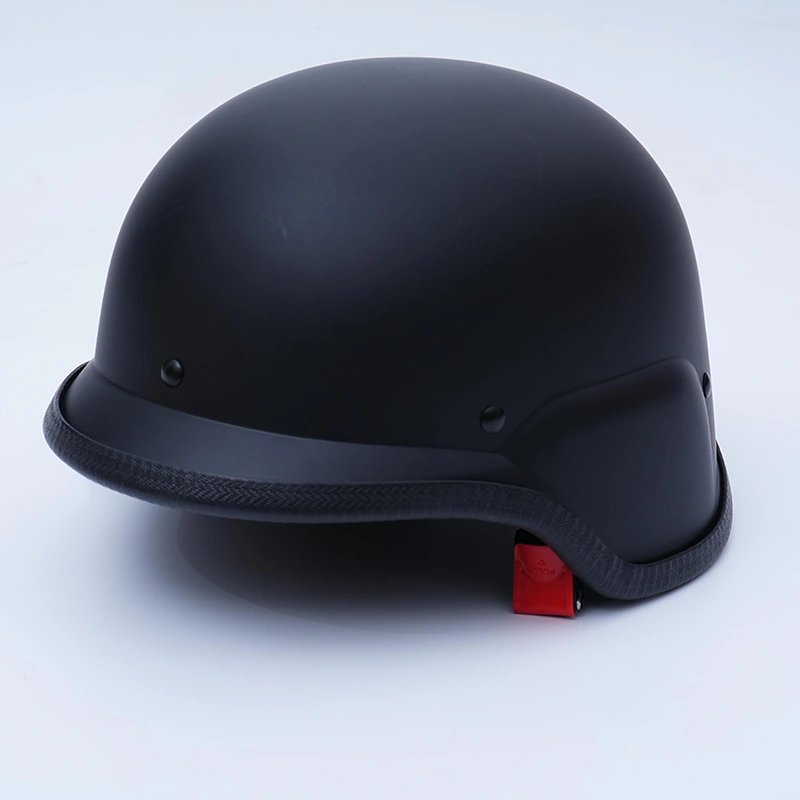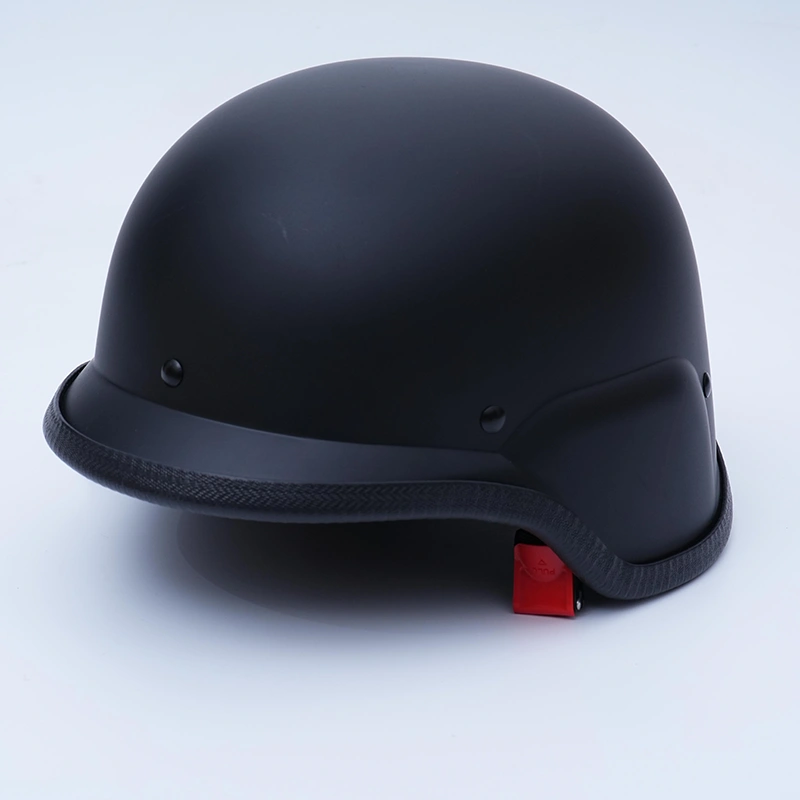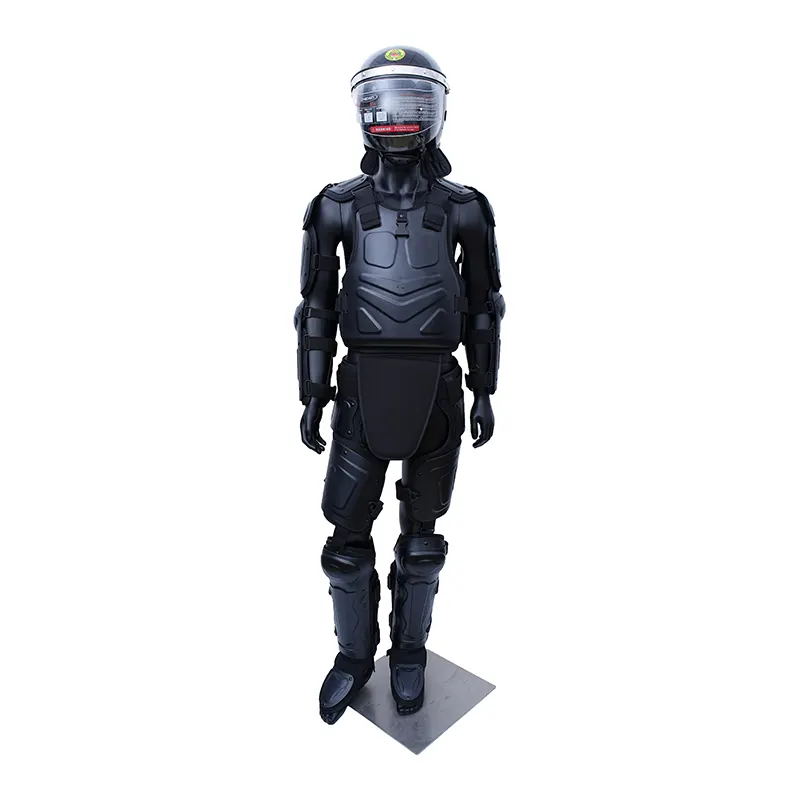



Galaxy provides the PC ABS Anti Riot Helmet Injection Mould for manufacturers seeking repeatable shell dimensions, controlled surface quality, and dependable tooling for injection molding production. Designed for PC and PC+ABS materials, this helmet mould combines a single-cavity integrated structure, pre-hardened mold steel, precision machining, and fine cavity polishing to support stable production and long-term tooling performance.
A protective helmet shell must maintain a consistent shape and finish throughout repeated injection molding cycles. The mould therefore plays a critical role in determining dimensional accuracy, surface appearance, demoulding performance, and production stability. The PC ABS Anti Riot Helmet Injection Mould is engineered around a single-cavity integrated concave insert structure. Its cavity uses P20 and 718H pre-hardened mold steel, while the mold base is manufactured from 45# carbon steel. A Ra 0.8 polished cavity surface supports a smoother molded finish, while the stated theoretical tooling life of 300,000–500,000 shots provides a reference for high-volume production planning.
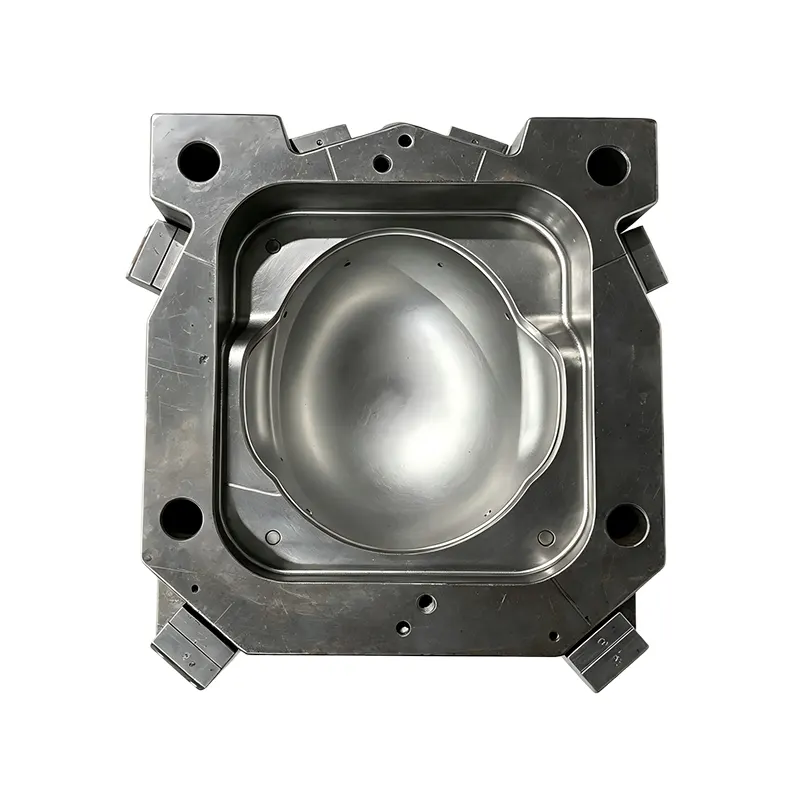
Table of Contents
- What Role Does the Injection Mould Play in Helmet Production?
- How Is the Helmet Injection Mould Designed?
- Why Are P20 and 718H Mold Steel Used?
- Why Are PC and PC+ABS Suitable Material Options?
- How Does Cavity Polishing Affect the Molded Product?
- How Can the Mould Support Repeated Production?
- What Quality Factors Should Manufacturers Evaluate?
- What Should Buyers Confirm Before Ordering?
- Frequently Asked Questions
- Final Considerations
What Role Does the Injection Mould Play in Helmet Production?
Injection molding is a repeatable manufacturing process, but repeatability depends heavily on the tooling used to define the product geometry. For an anti riot helmet shell, the mould determines the external contour, dimensional relationship between features, surface texture, and the conditions under which the molded part can be released from the cavity.
When tooling is accurately manufactured, each molding cycle starts from the same cavity geometry. This creates a more controlled foundation for maintaining consistent helmet shell dimensions during batch production.
A dedicated helmet injection mould can also reduce the need for repeated manual adjustments. Once the tooling has been validated with the selected resin and injection machine, manufacturers can establish a more stable production process around documented molding parameters.
For buyers, this means that mould procurement should not focus only on purchase price. Steel selection, cavity construction, surface finish, expected service life, testing procedures, and compatibility with the intended injection machine are equally relevant.
How Is the Helmet Injection Mould Designed?
The mould adopts a single-cavity integrated concave insert structure. This configuration provides a dedicated molding cavity for the helmet shell and allows the cavity geometry to be precisely machined according to the product design.
A single-cavity arrangement can be particularly practical when the product is relatively large or when the manufacturer prioritizes cavity accuracy and controlled production conditions over maximum parts-per-cycle output.
The principal tooling configuration can be summarized as follows:
| Item | Specification | Manufacturing Relevance |
|---|---|---|
| Application | Anti riot helmet outer shell | Dedicated protective helmet tooling |
| Cavity Structure | Single-cavity integrated concave insert | Controlled shell geometry |
| Cavity Material | P20 and 718H pre-hardened mold steel | Durability and dimensional stability |
| Mold Base | 45# carbon steel | Structural support |
| Cavity Finish | Ra 0.8 fine polishing | Smoother molded surface |
| Compatible Resin | PC and PC+ABS | Supports two common engineering-plastic options |
| Theoretical Life | 300,000–500,000 shots | Useful reference for production planning |
Why Are P20 and 718H Mold Steel Used?
Mold steel selection influences how a tool performs under repeated injection molding conditions. The cavity is exposed to mechanical pressure, thermal changes, plastic flow, and repeated opening and closing cycles. It therefore needs an appropriate combination of machinability, hardness, wear resistance, and dimensional stability.
The cavity of this tooling uses P20 and 718H pre-hardened mold steel. Pre-hardened steel can provide a practical balance between machining requirements and service performance for injection mold construction.
For production buyers, the important point is that material specifications should be considered together with actual processing requirements. The resin being molded, expected production quantity, cycle conditions, maintenance schedule, and required dimensional tolerances all influence the appropriate tooling configuration.
The 45# carbon steel mold base provides the supporting framework for the cavity components. A rigid and properly assembled mold base helps maintain alignment between tooling components during repeated operation.
Why Are PC and PC+ABS Suitable Material Options?
The choice of resin is an important part of the injection molding process because different plastics exhibit different flow, cooling, shrinkage, and processing characteristics. The mould must therefore be compatible with the intended material and processing conditions.
This tooling is designed for PC and PC+ABS. Polycarbonate is widely recognized as an engineering thermoplastic with useful impact and dimensional characteristics. PC+ABS combines properties from polycarbonate and ABS and can provide a different balance of processability and mechanical performance depending on the specific formulation.
Manufacturers should still select the exact resin grade according to their product specifications and applicable testing requirements. Injection temperature, mold temperature, holding pressure, cooling time, and other parameters should be established through production trials rather than assumed solely from the material family.
- Confirm the exact resin grade before mould validation.
- Review the resin manufacturer's recommended processing window.
- Check shrinkage characteristics when final dimensions are critical.
- Validate filling and cooling behavior through trial molding.
- Keep production parameters documented for repeatable manufacturing.
How Does Cavity Polishing Affect the Molded Product?
The cavity surface is directly transferred to the surface of the molded plastic component. Consequently, machining marks, polishing quality, and local surface irregularities can influence the appearance of the finished helmet shell.
This mould uses a Ra 0.8 fine-polished cavity surface. A controlled surface finish can help reduce visible machining marks and support a cleaner appearance after molding.
Surface finish is also relevant to demoulding. Depending on the geometry and resin, a smoother cavity can help reduce unwanted resistance during part release. However, draft angles, ejector design, cooling conditions, and molding parameters must also be considered when evaluating demoulding performance.
For manufacturers producing helmet shells in commercial quantities, consistent cosmetic quality can reduce the need for unnecessary post-processing and help maintain a uniform appearance across production batches.
How Can the Mould Support Repeated Production?
Theoretical mould life is an important specification when planning production capacity. The stated service life for this tooling is approximately 300,000 to 500,000 shots.
This figure should be treated as a reference rather than a guaranteed production count under every operating condition. Actual service life can be affected by resin formulation, abrasive additives, injection pressure, cycle frequency, operating temperature, maintenance quality, cleaning procedures, and general machine operation.
To maintain tooling performance, manufacturers should establish a practical maintenance routine that includes:
- Cleaning the cavity and parting surfaces after scheduled production runs.
- Inspecting moving and mating components for abnormal wear.
- Checking cooling channels for contamination or restricted flow.
- Maintaining appropriate lubrication where required.
- Recording production cycles and maintenance activities.
- Inspecting the molded product for early signs of dimensional or surface changes.
Such preventive practices can make tooling condition easier to monitor and help manufacturers identify potential problems before they affect a large production batch.
What Quality Factors Should Manufacturers Evaluate?
A professional injection mould supplier should be able to discuss both the tooling specification and the validation process. Buyers can evaluate a helmet mould using several measurable criteria rather than relying on general descriptions.
Cavity Accuracy
The cavity should reproduce the approved product design consistently. Critical dimensions should be identified during the engineering stage and checked during inspection.
Material and Steel Specification
The supplier should clearly state the cavity steel and mold-base material so that buyers can understand the expected tooling configuration.
Surface Quality
Polishing requirements should be agreed in advance, especially when the helmet shell has visible external surfaces that require a consistent cosmetic appearance.
Trial Molding
Trial injection provides an opportunity to evaluate filling, demoulding, surface appearance, dimensional consistency, and the interaction between the mould and the selected injection machine.
Production Service Life
The expected shot count should be considered against the buyer's projected production volume. This helps determine whether the tooling configuration matches the intended manufacturing cycle.
What Should Buyers Confirm Before Ordering?
Before purchasing a PC ABS Anti Riot Helmet Injection Mould, procurement teams should provide the mould supplier with complete product and production information. Clear technical communication can prevent avoidable tooling modifications later in the project.
| Buyer Requirement | Information to Confirm |
|---|---|
| Product Design | 3D model, 2D drawings, dimensions, tolerances, and critical features |
| Plastic Material | PC, PC+ABS, or exact resin grade |
| Production Quantity | Expected monthly or annual output |
| Injection Machine | Machine size, injection capacity, mold dimensions, and clamping requirements |
| Appearance | Required cavity finish and visible surface quality |
| Inspection | Dimensional inspection and trial-molding requirements |
| Tooling Life | Expected production cycles and maintenance conditions |
For an overseas buyer working with a China supplier or manufacturer, these details are especially valuable because they establish a common technical reference before manufacturing begins. Product drawings, approved samples, resin specifications, and inspection standards should be documented as part of the tooling project.
Frequently Asked Questions
What is a PC ABS Anti Riot Helmet Injection Mould?
It is a dedicated injection molding tool used to manufacture anti riot helmet outer shells from engineering plastics such as PC and PC+ABS. The mould defines the geometry and surface of the molded shell during injection production.
How many cavities does this helmet mould have?
The described tooling uses a single-cavity integrated concave insert structure, providing one molding cavity for each injection cycle.
What steel is used for the cavity?
The cavity uses P20 and 718H pre-hardened mold steel, while the mold base uses 45# carbon steel.
What is the cavity surface finish?
The cavity is fine polished to approximately Ra 0.8, supporting a smooth and consistent molded shell surface.
What is the expected service life?
The stated theoretical service life is approximately 300,000–500,000 shots. Actual life depends on material selection, molding conditions, maintenance, production frequency, and other operating factors.
Can PC+ABS be used with this mould?
Yes. The mould is designed for both PC and PC+ABS materials. The exact resin grade and molding parameters should be confirmed during engineering and trial production.
Final Considerations
The performance of an injection-molded helmet shell begins with the accuracy and suitability of its tooling. The PC ABS Anti Riot Helmet Injection Mould combines a single-cavity integrated concave insert structure, P20 and 718H pre-hardened cavity steel, a 45# carbon steel mold base, Ra 0.8 cavity polishing, and compatibility with PC and PC+ABS materials. Its stated theoretical service life of 300,000–500,000 shots makes it a practical tooling specification to consider when planning repeated production. For manufacturers comparing mould suppliers, the most useful evaluation should include cavity construction, steel selection, surface requirements, trial molding, inspection standards, machine compatibility, and long-term maintenance. If you are planning a new helmet tooling project or need a production-oriented mould solution, learn more about the PC ABS Anti Riot Helmet Injection Mould and contact us to discuss your product drawings, material requirements, production volume, and customized tooling needs.