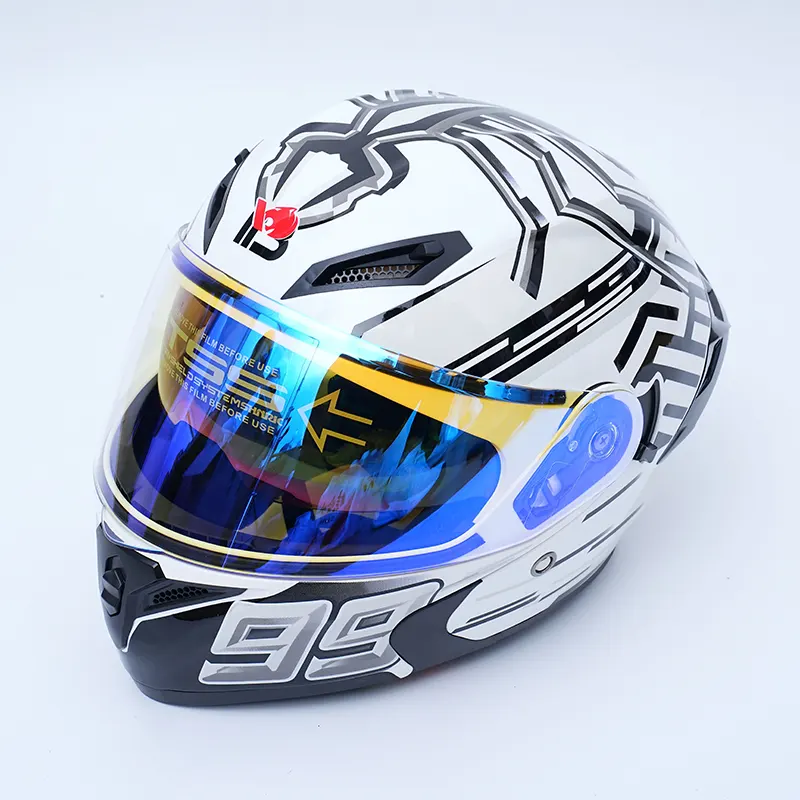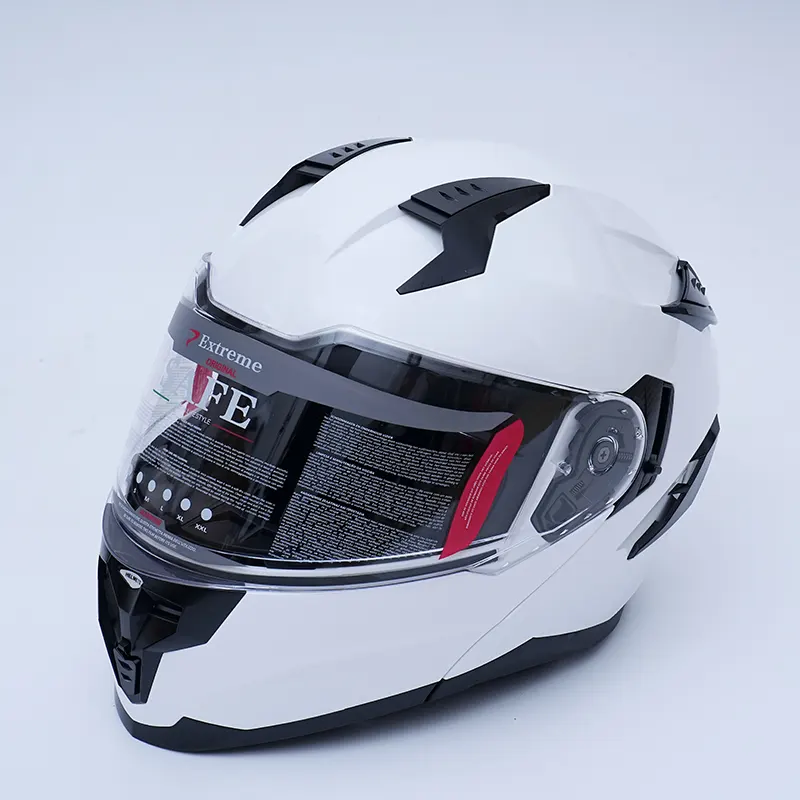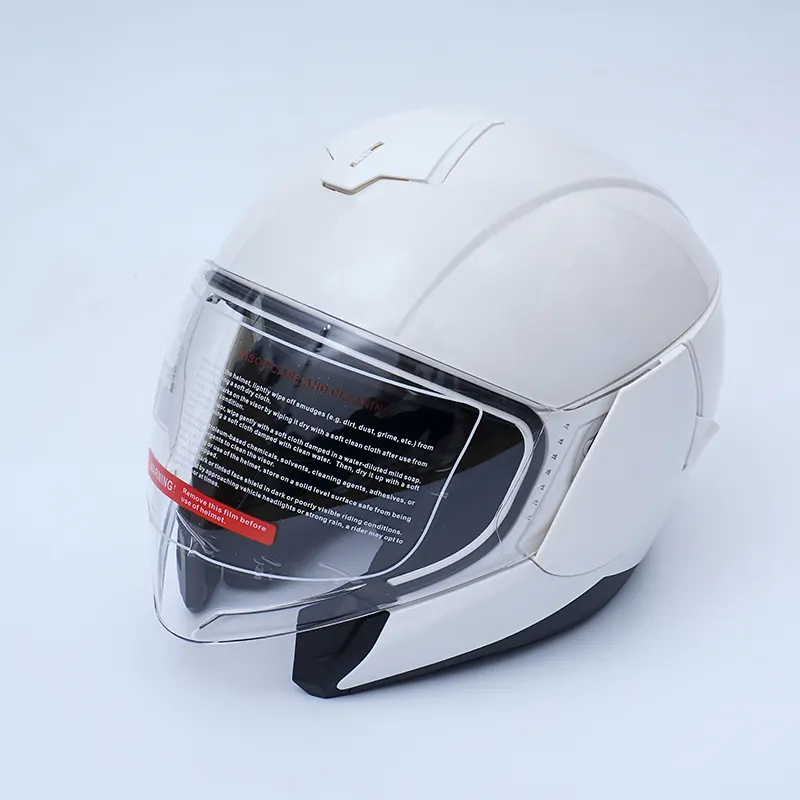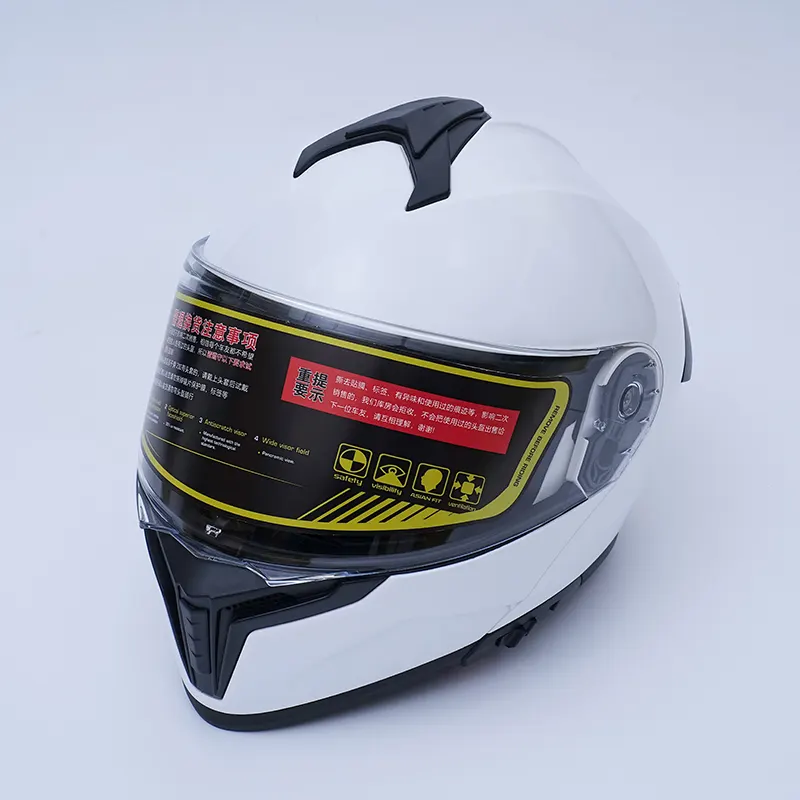

Galaxy has spent years developing motorcycle helmets that balance safety, comfort, and aerodynamics for riders of all disciplines. Whether you are commuting through city traffic, carving canyon roads, or pushing lap times on a track, a high-quality helmet is your first line of defense. This guide breaks down the key parameters, materials, certifications, and fit considerations so you can make an informed decision.
Galaxy believes that a helmet should disappear on your head. It should be light enough to forget, quiet enough to let you focus, and strong enough to protect you when it matters most. The brand’s engineering team uses feedback from professional racers, long-distance tourers, and daily commuters to refine shell shapes, liner materials, and ventilation layouts. The result is a lineup that covers every riding style without compromising safety.
Carbon fiber composite offers the highest strength-to-weight ratio. The Aero X1 shell is made from multiple layers of carbon fiber fabric bonded with a high-temperature resin. This construction allows the shell to flex slightly during impact, dissipating energy before it reaches the EPS liner. Carbon fiber also reduces overall helmet weight, which is critical during long track sessions.
Fiberglass/Kevlar composite is used on the Tour GT2 because it provides excellent impact absorption at a lower cost than carbon fiber. Kevlar adds penetration resistance, which is important for touring riders who may encounter road debris at highway speeds. The shell is slightly heavier than carbon fiber, but the difference is negligible for most long-distance riders.
ABS polycarbonate is used on the Urban Shift because it is durable, affordable, and easy to mold into complex shapes. While polycarbonate shells are generally heavier than composite alternatives, the Urban Shift keeps weight down through a compact shell design. This material is an excellent choice for urban commuters who need reliable protection without a track-focused price tag.
A helmet that traps heat and moisture becomes uncomfortable within minutes. Galaxy designs ventilation systems based on computational fluid dynamics and real-world wind tunnel testing. Each intake port is positioned to capture high-pressure air at the front of the helmet, while exhaust ports are placed in low-pressure zones at the rear to pull hot air out.
The Aero X1 uses a dual-channel crown ventilation system. Air enters through two large ports above the visor and flows through channels cut into the EPS liner. This design keeps the top of the head cool without creating excessive wind noise. The chin vent directs air across the inside of the shield to reduce fogging when the Pinlock insert is not installed.
The Tour GT2 prioritizes quiet operation. Its ventilation system is slightly less aggressive than the Aero X1, but it includes a chin curtain and neck roll that block turbulent air. This makes the Tour GT2 one of the quietest helmets in the Galaxy lineup, which is a major benefit for riders who spend hours on the highway.
The Enduro E7 features the most ventilation of any Galaxy model. It has eight intake ports, including two above the brow and two at the chin. The large exhaust ports at the rear work with the peak visor to channel air over the head. The peak is adjustable to three positions, allowing riders to tune airflow depending on terrain and speed.
Q: How do I choose the right size?
A: Start by measuring the circumference of your head about one inch above your eyebrows using a soft measuring tape. Compare your measurement to Galaxy’s size chart. A proper helmet should feel snug but not painful, with even pressure around the crown and cheeks. The Motorcycle Helmet should not shift when you shake your head from side to side or up and down. The cheek pads should press lightly against your cheeks without causing discomfort.
Q: What safety certifications should I look for ?
A: The most common certifications are DOT FMVSS 218, ECE 22.06, and SNELL M2020D. DOT is mandatory for street use in the United States and tests impact absorption, penetration resistance, and retention system strength.
Q: Can I use a Bluetooth headset with Galaxy helmets?
A: Yes. All Galaxy full-face and dual-sport helmets include recessed speaker pockets and pre-cut cable routing paths. The Aero X1, Tour GT2, and Enduro E7 are designed to work with the Galaxy Comm Pro Bluetooth unit, which features 40 mm HD speakers and a boom microphone.
Q: What is the difference between carbon fiber and polycarbonate shells?
A: Carbon fiber composite shells are made from woven carbon fiber fabric bonded with resin. They are stronger and lighter than polycarbonate shells, which allows Galaxy to reduce weight while maintaining impact protection.