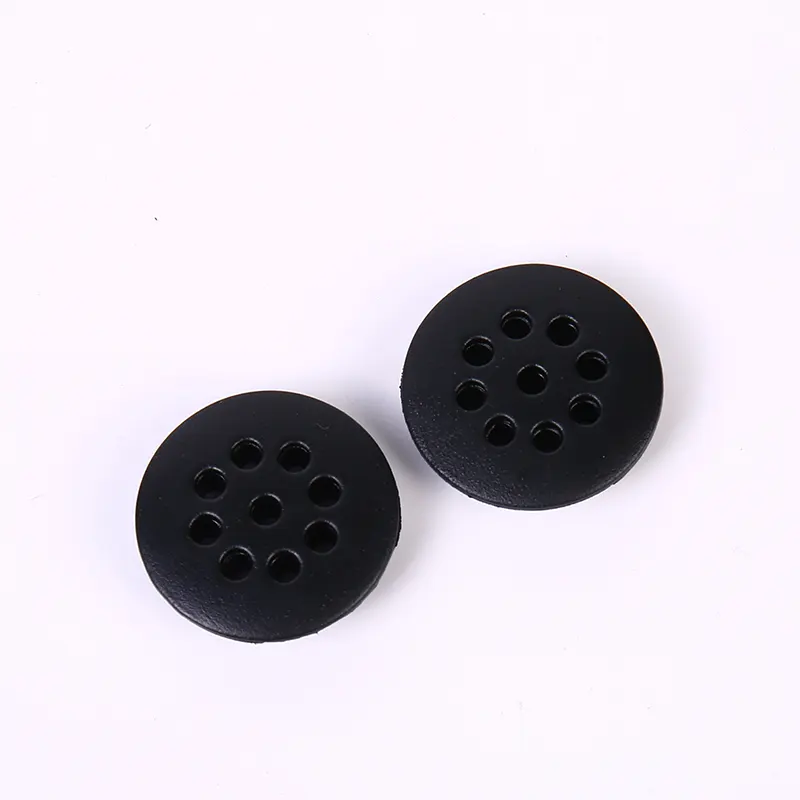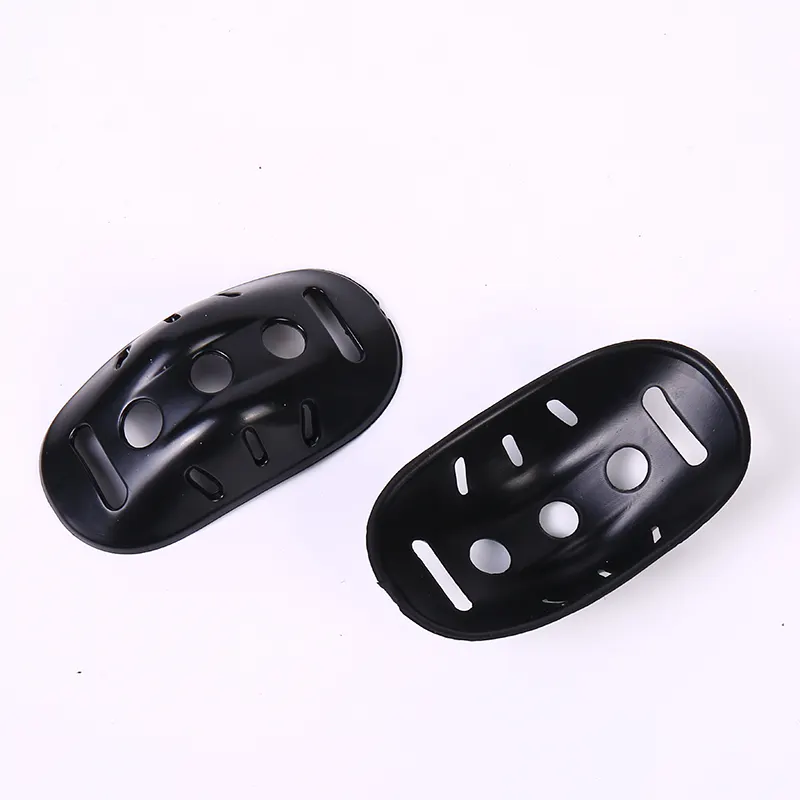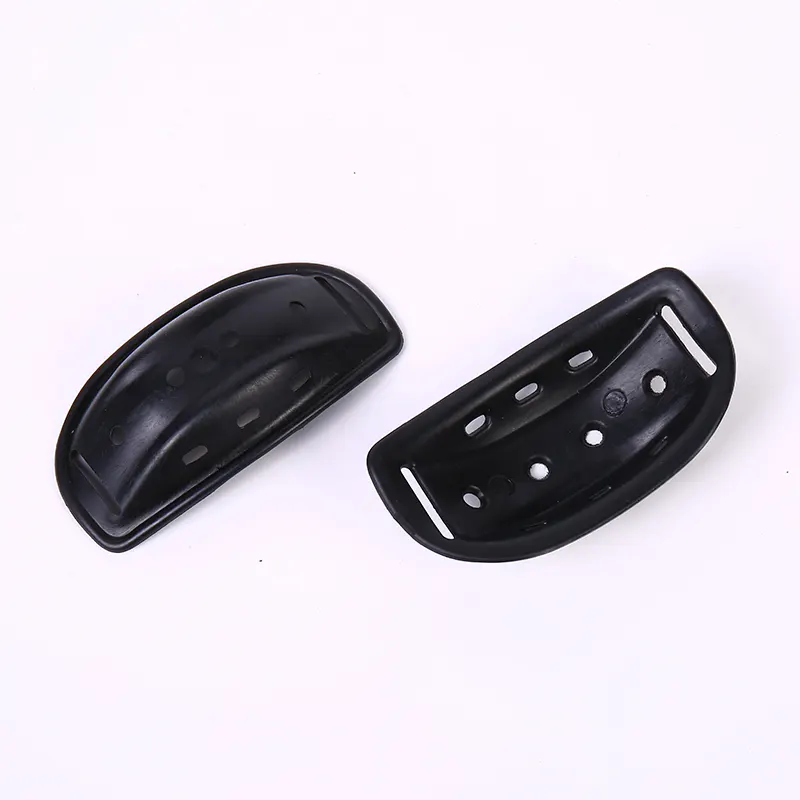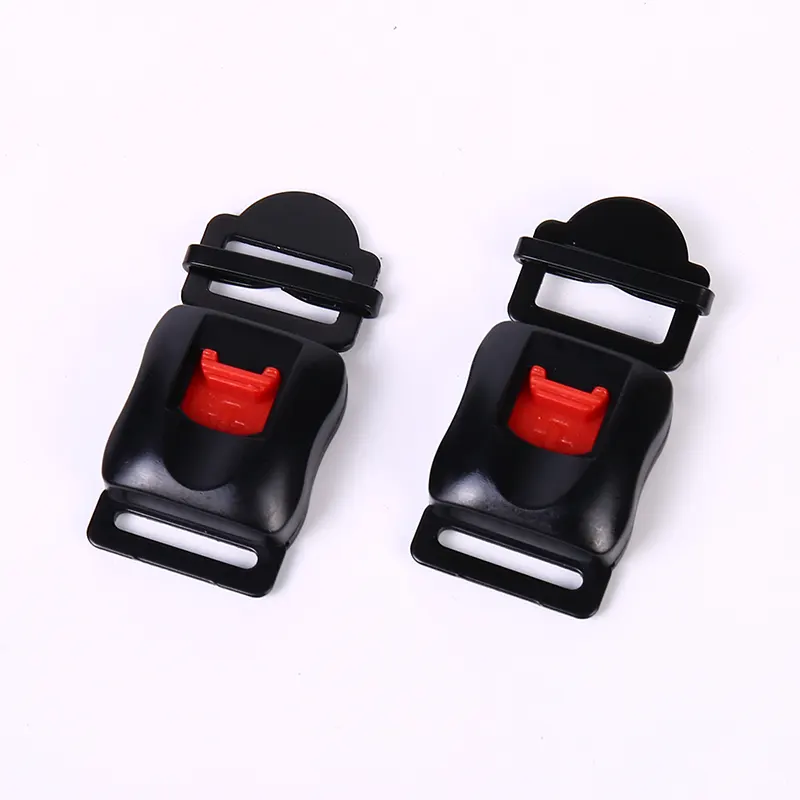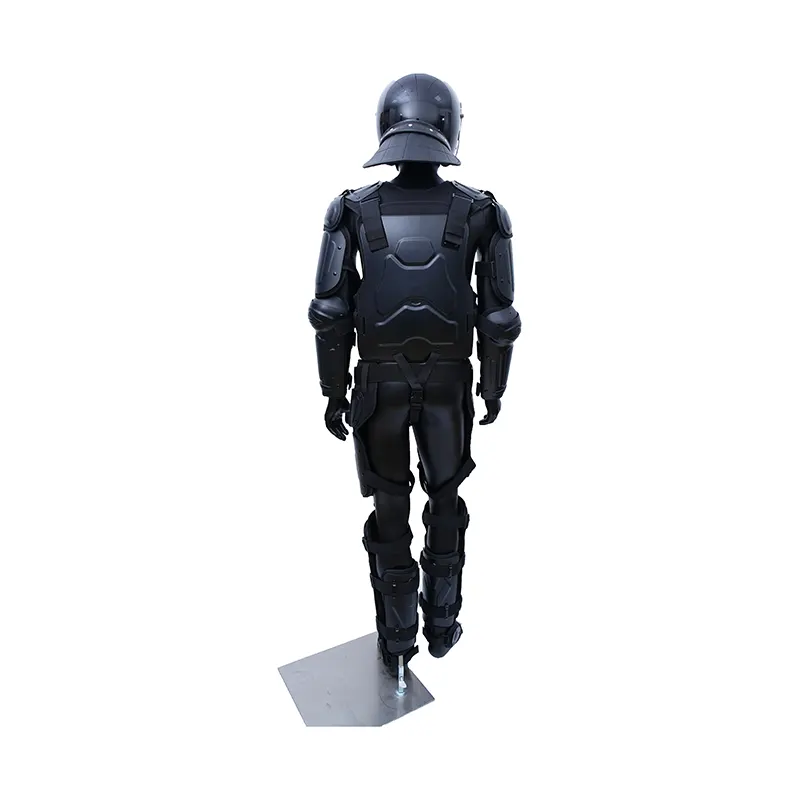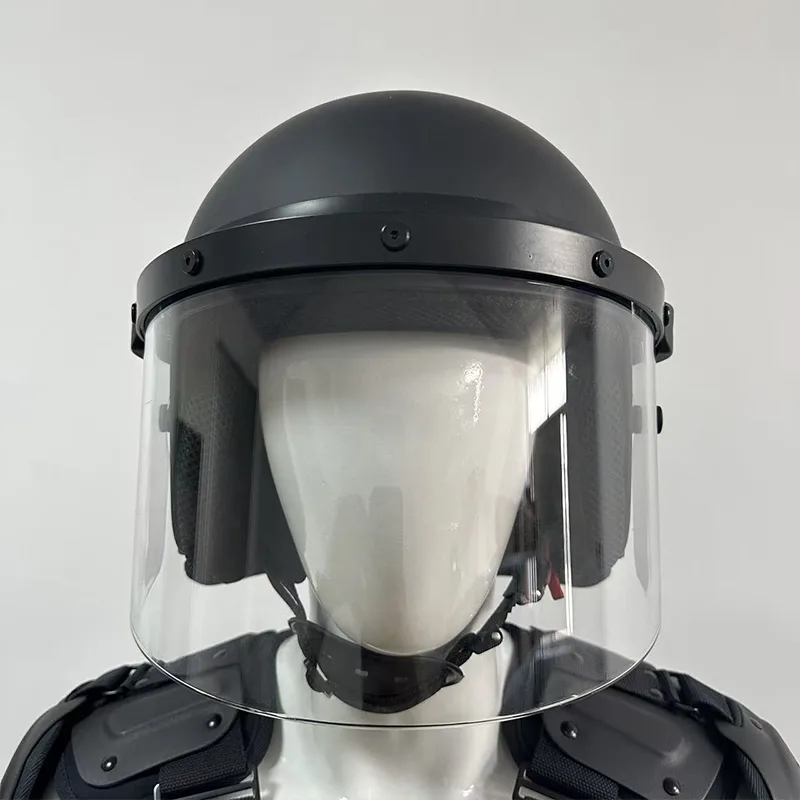
Every serious motorcyclist, cyclist, and industrial worker knows that helmet performance depends on far more than just the outer shell. The quality of each Helmet Parts component determines fit, comfort, visibility, aerodynamic stability, and most importantly impact protection. Galaxy has spent over two decades refining replacement and upgrade components for a wide range of helmet types, from full-face motorcycle helmets to open-face, modular, off-road, and even industrial safety helmets.
A helmet is a system, not a single piece of equipment. The shell spreads impact force, the EPS liner absorbs energy, and the retention system keeps the helmet in place. If any one of these parts is worn, mismatched, or made from substandard materials, the entire protective system is compromised. Riders often overlook the small hardware: visor pivot screws, vent sliders, chin strap buckles, and liner snaps. Yet these are the components that see daily wear and tear. Galaxy designs each part to meet or exceed original equipment standards, with a focus on corrosion resistance, UV stability, and dimensional accuracy.
1.Selecting Helmet Parts requires more than matching a brand name. Start by identifying the exact helmet model, shell size, and production year because internal geometry changes between generations. For visors, measure the width and height of the current visor and note the pivot mechanism type. For liners, choose the thickness based on how the helmet fits on your head; a 16 mm cheek pad may feel too tight while a 12 mm pad allows too much movement. Galaxy recommends replacing all interior padding at the same time to maintain consistent fit and protective performance.
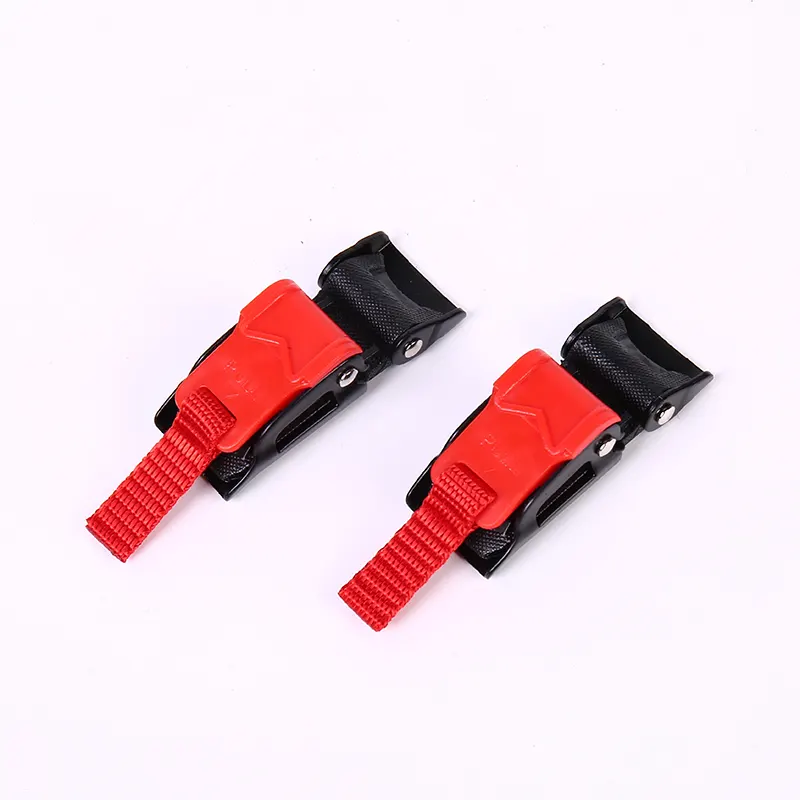
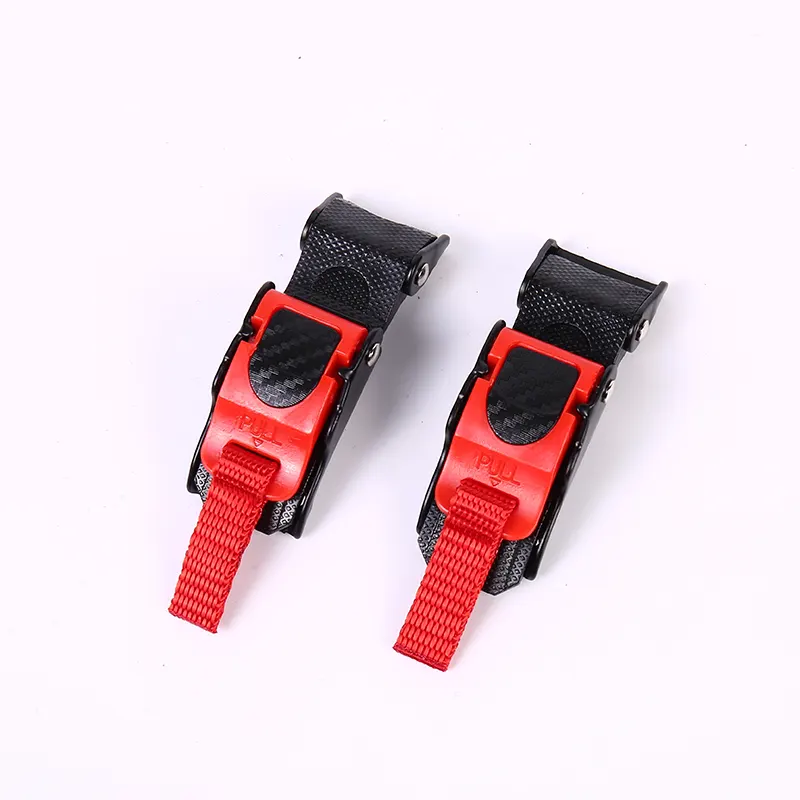
2.When upgrading retention systems, consider the type of riding you do. Double D-ring kits offer the most secure attachment but require more adjustment time. Micrometric ratchet systems allow one-hand operation, which is useful for urban riders who take helmets on and off frequently. Magnetic buckles are convenient but must be tested for debris interference in off-road environments. All Galaxy retention components include replacement rivets and installation instructions, but final torque and load testing should be performed by a qualified technician if you are unsure.
3.For ventilation parts, check the original vent openings on the helmet shell. Galaxy universal vent assemblies include trim templates that cover most round and oval vent shapes, while model-specific kits drop directly into factory mount points. Always replace foam gaskets with each vent change to prevent water intrusion and wind noise. If your helmet has internal air channels, match the replacement channel covers to the EPS liner cutouts; mismatched covers can reduce airflow or cause sharp edges against the liner.
4.Hardware selection is often overlooked. Using a mild steel screw in a visor pivot can lead to rust stains within weeks. Galaxy hardware kits use 304 stainless steel for all exposed fasteners and glass-filled nylon for internal spacers to prevent galvanic corrosion between the shell and hardware. Torque values matter: a visor screw tightened beyond 1.2 Nm can strip the brass insert in the shell, while a loose screw below 0.8 Nm may allow the visor to eject during a crash. A small torque screwdriver is a worthwhile investment for any owner who works on their own helmet.