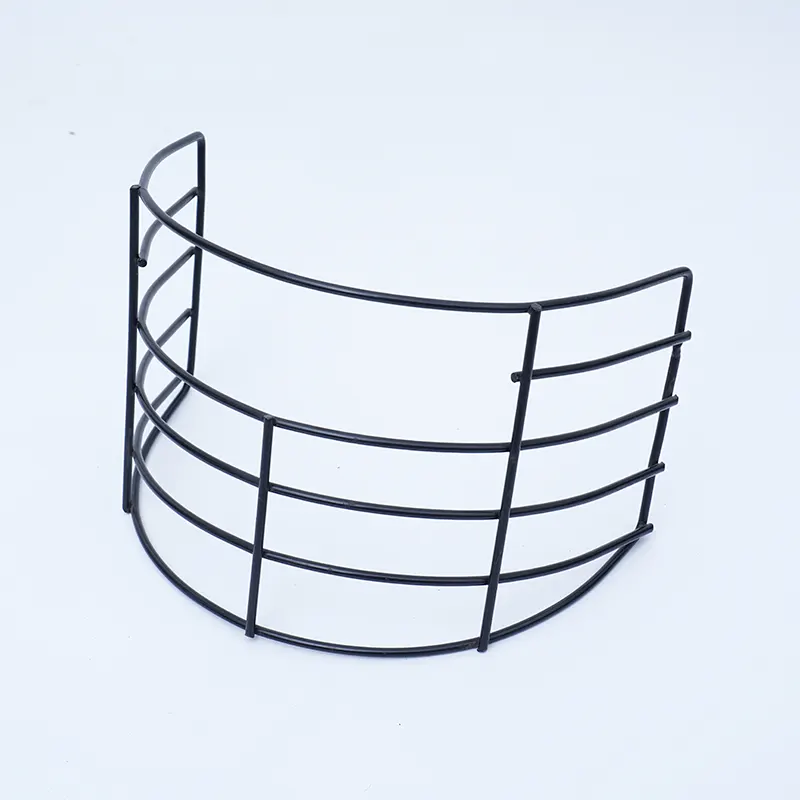
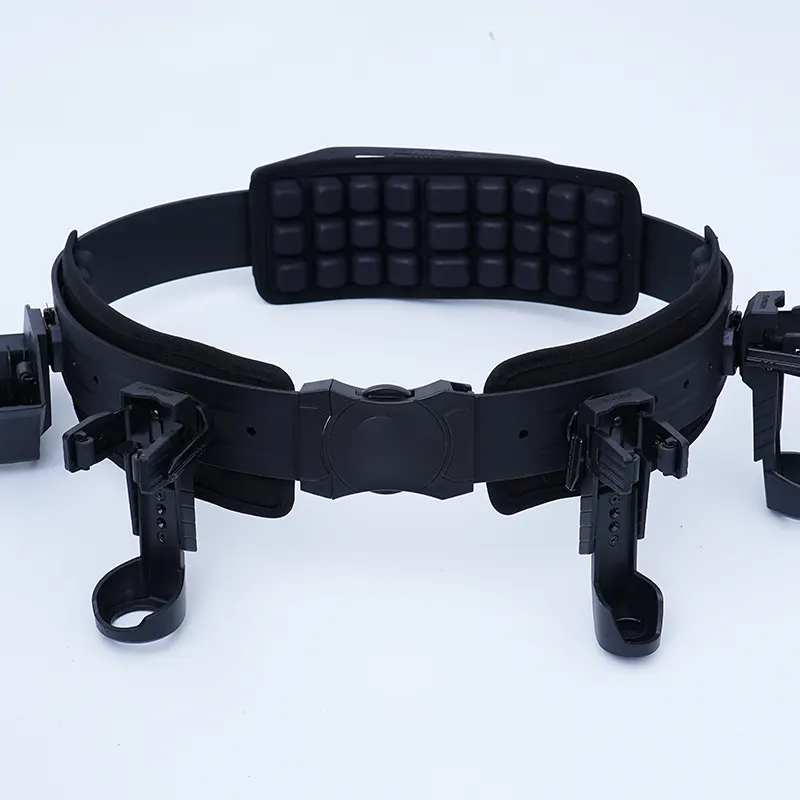
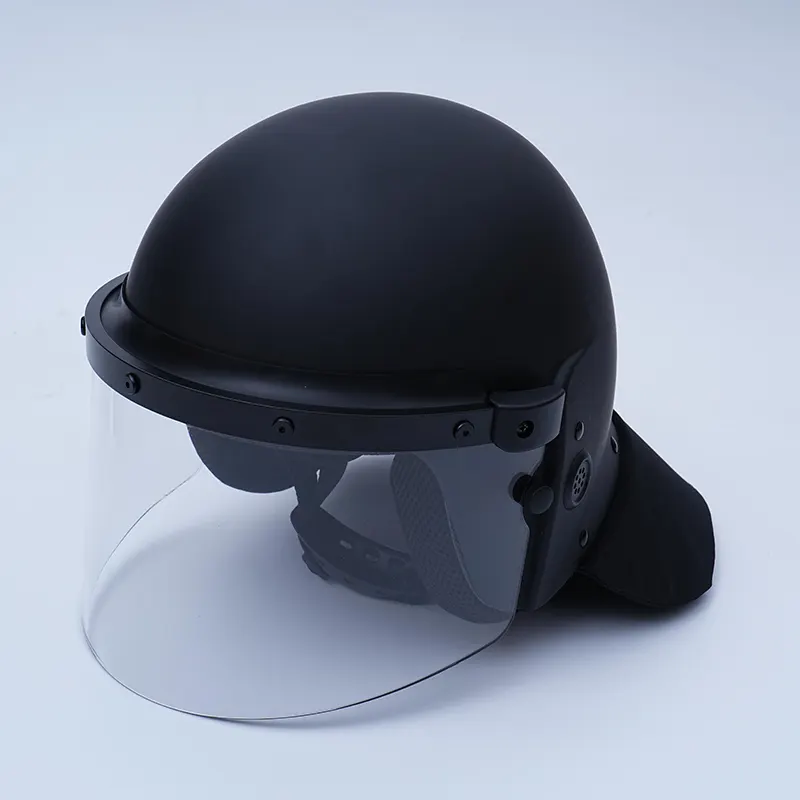
Last month, during a consultation with a major security contractor heading a prison management tender, we skipped the standard catalog pitch. Instead, I asked their procurement team a direct question: "When your frontline personnel face unpredictable close-quarter confrontations or thrown projectiles, what breaks down first—their stamina, or their gear's joint seams?"
Historically, old-generation riot gear forced a dangerous compromise. You either chose heavy, rigid armor that left officers exhausted after a two-hour deployment, or lightweight vests that left the elbows, shins, and hips completely exposed to blunt force trauma.
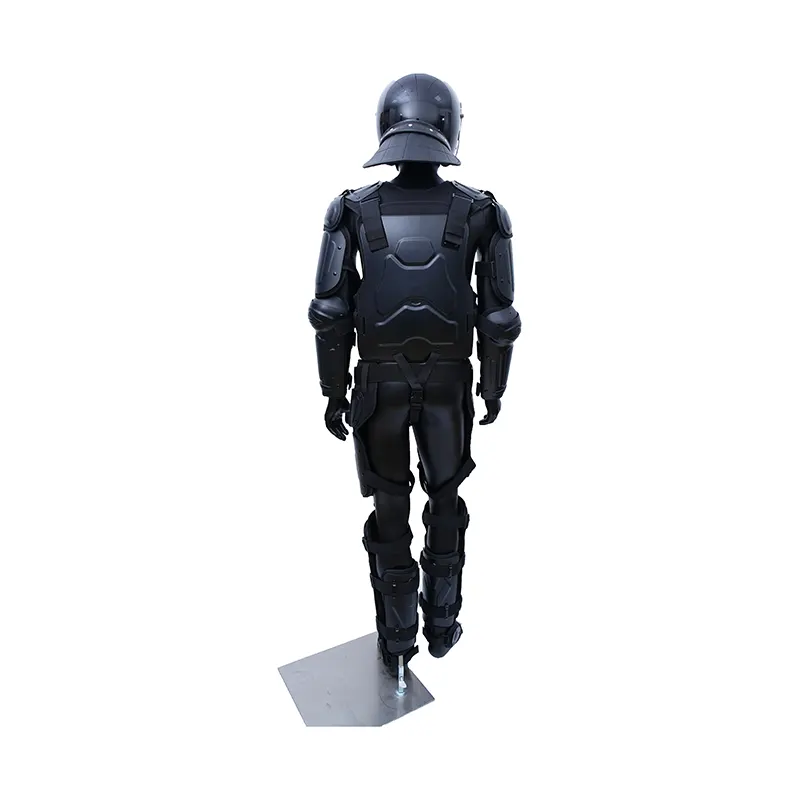
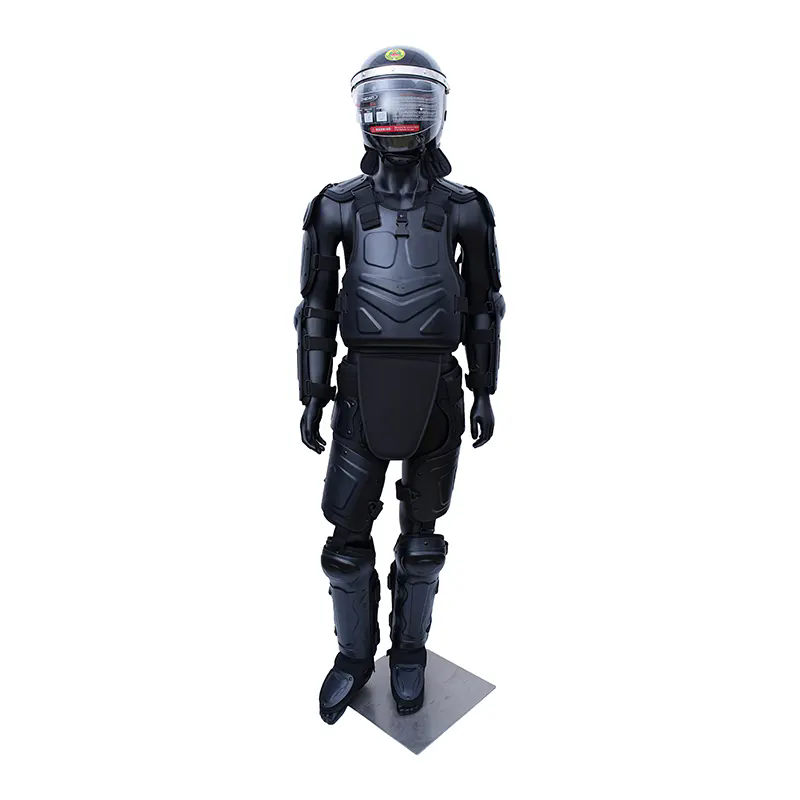
At Galaxy, we engineered our Full Coverage Anti Riot Suit to completely eliminate these protective blind spots without turning your team into immobile targets. Let me walk you through how we balanced maximum coverage with rapid tactical mobility from an operational standpoint.
The Realities of the Three-Layer Composite Armor
In a chaotic riot control scenario, protection isn’t just about having a thick shell. It is about energy dissipation. When a brick or iron bar impacts an officer, our integrated three-layer system handles the kinetic energy sequentially:
The First Line of Defense: An outer rigid shell molded from a high-strength PP and ABS engineering plastic blend. It doesn't crack under sudden impacts; it flexes slightly to disperse the localized force across a wider surface area.
The Structural Backbone: A heavy-duty middle layer woven from wear-resistant PVC and premium Oxford fabric. This layer ensures that even if the suit is dragged against concrete or subjected to sharp debris, it resists tearing and abrasion.
The Trauma Reducer: An inner liner composed of high-density EVA foam paired with a breathable mesh fabric. This is where the magic happens. The EVA foam absorbs the residual impact energy, drastically reducing the risk of internal blunt trauma, while the breathable lining keeps the officer cool during extended summer operations.
Eliminating the "Joint Gap" Vulnerability
Traditional tactical gear often leaves the shoulders, elbows, and knees exposed during active movement like running or squatting. We solved this by implementing a segmented panel design.
When I put this suit on myself, the first thing I notice is how naturally the armor follows the body's biomechanics. Because the joints utilize overlapping, independent plates, you can transition from a full sprint to a defensive squat without the armor binding or shifting.
Covering seven critical zones—the chest, shoulders, arms, elbows, hips, knees, and shins—the entire system fits seamlessly. Furthermore, because a single squad will always have varying physiques, we engineered the heavy-duty nylon webbing and hook-and-loop fasteners to accommodate heights ranging from 160 cm to 190 cm. This high adjustability means your department can deploy a unified fleet using a single SKU, significantly cutting down your logistical tracking overhead.
Logistics and Deployment Optimization for B2B Tenders
For procurement officers managing tight shipping budgets and strict deadlines, shipping air is losing money. We optimized the entire structural packing of this 3.8 kg suit to maximize container density:
Efficient Fleet Integration: The total net weight of 3.8 kg is balanced evenly across the shoulders and hips, preventing lower back strain during 8+ hour continuous wear.
Bulk Shipping Efficiency: We pack exactly 2 complete sets per master carton (Dimensions: 80 × 60 × 40 cm). With a gross carton weight of just 9.0 kg, it ensures easy handling at port facilities and lowers your total ocean freight expenses per unit.
Rapid Donning and Doffing: In emergency response, every second matters. The quick-fastening hook-and-loop system allows an operator to fully don or strip the suit in under two minutes without requiring a secondary spotter.
Equip Your Tactical Teams with Galaxy
As a trusted manufacturing partner in China, Galaxy delivers certified production consistency, robust reinforced stitching at all high-stress points, and competitive factory-direct pricing for international bids.
Let's optimize your security procurement today:
Request a formal wholesale quotation including ocean freight estimates to your destination port
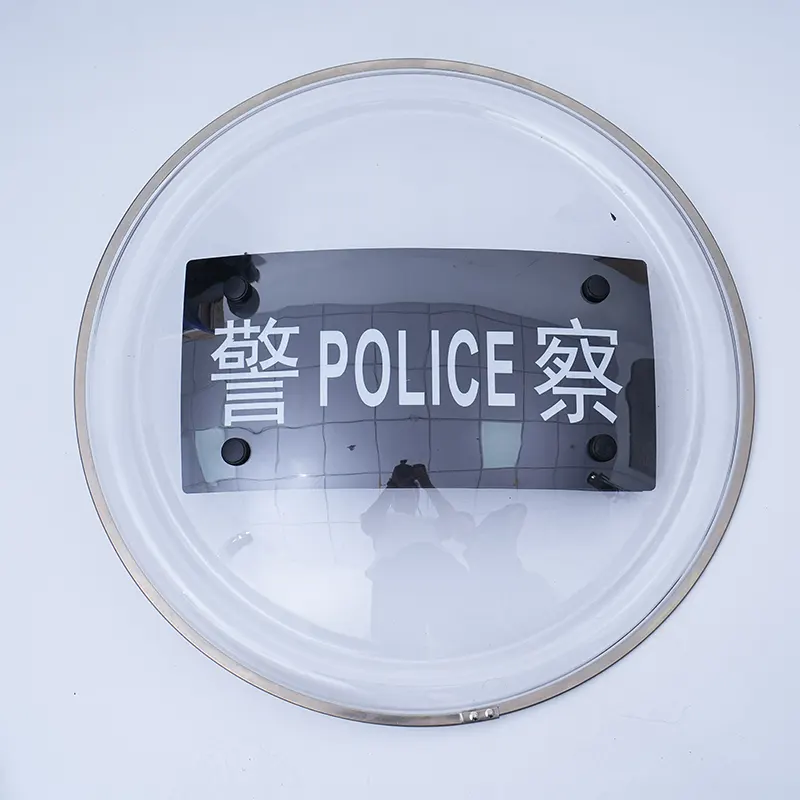
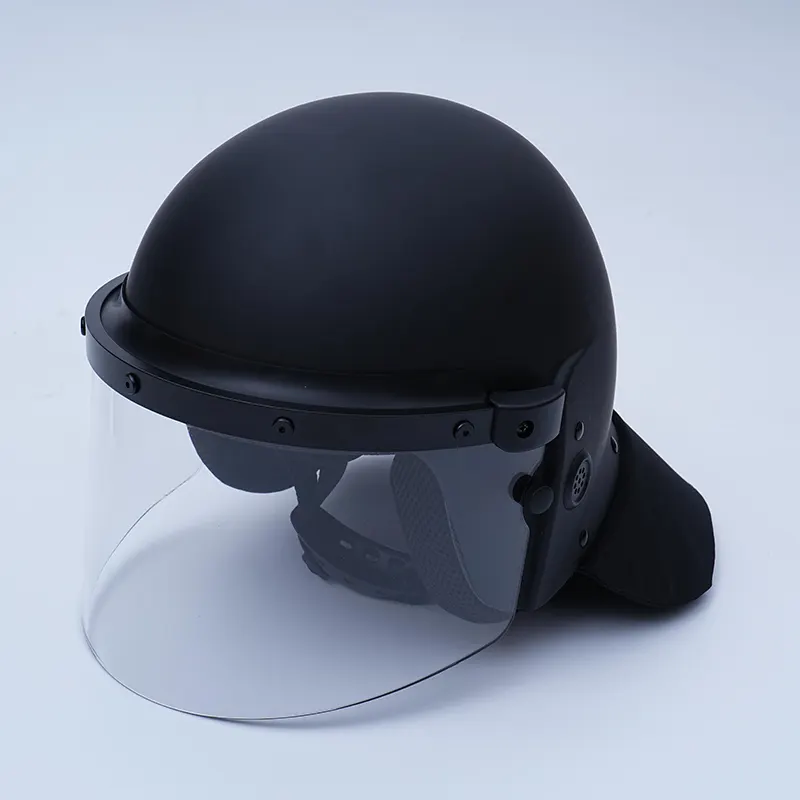
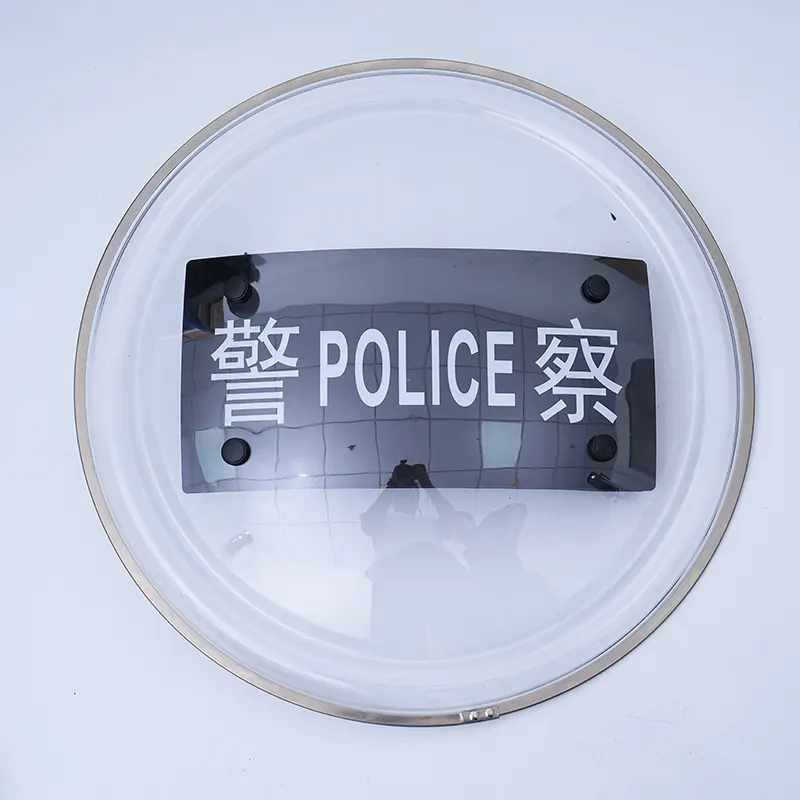
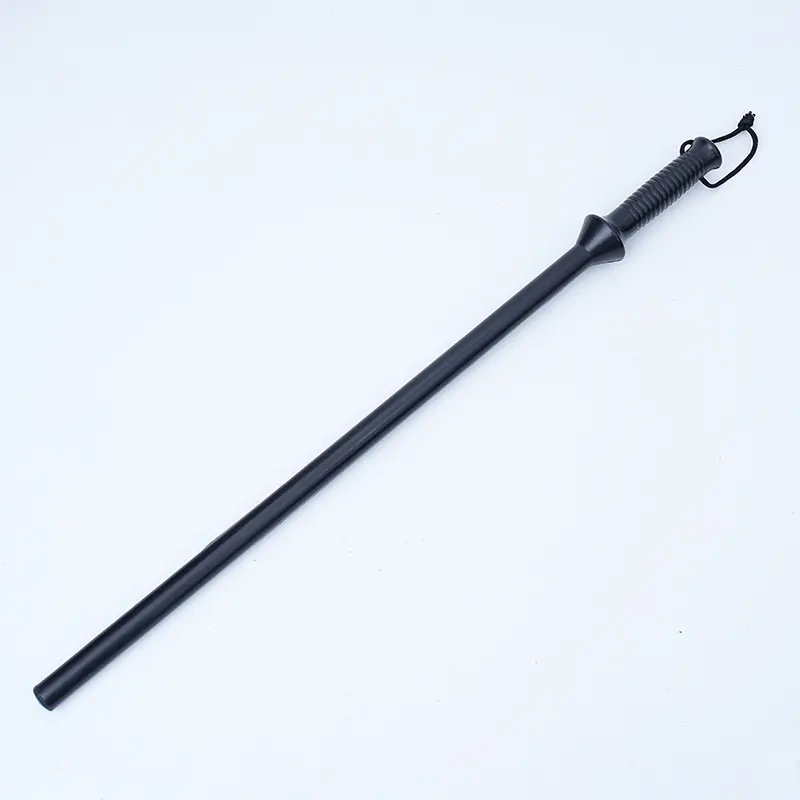
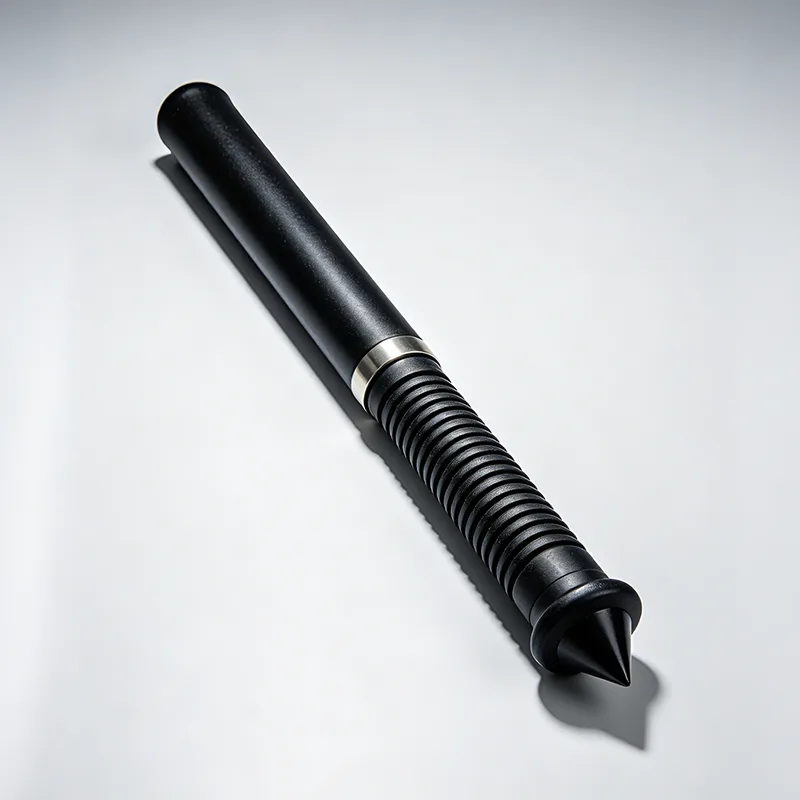
Get our complete Anti-Riot Equipment Catalog featuring matching helmets, shields, and batons
Inquire about sample ordering protocols for laboratory impact and tensile strength testing
We use cookies to offer you a better browsing experience, analyze site traffic and personalize content. By using this site, you agree to our use of cookies. Privacy Policy