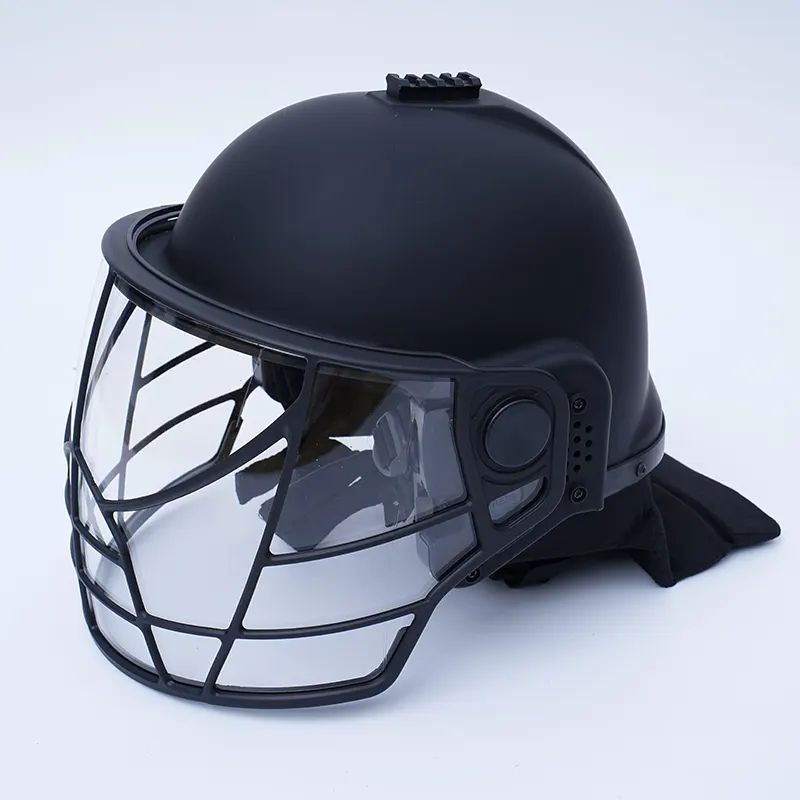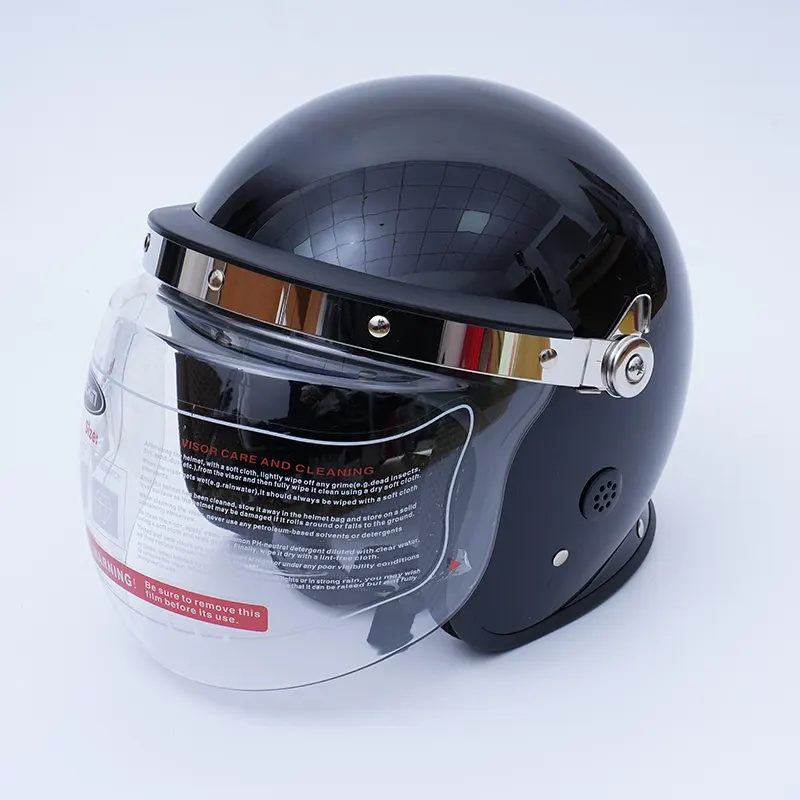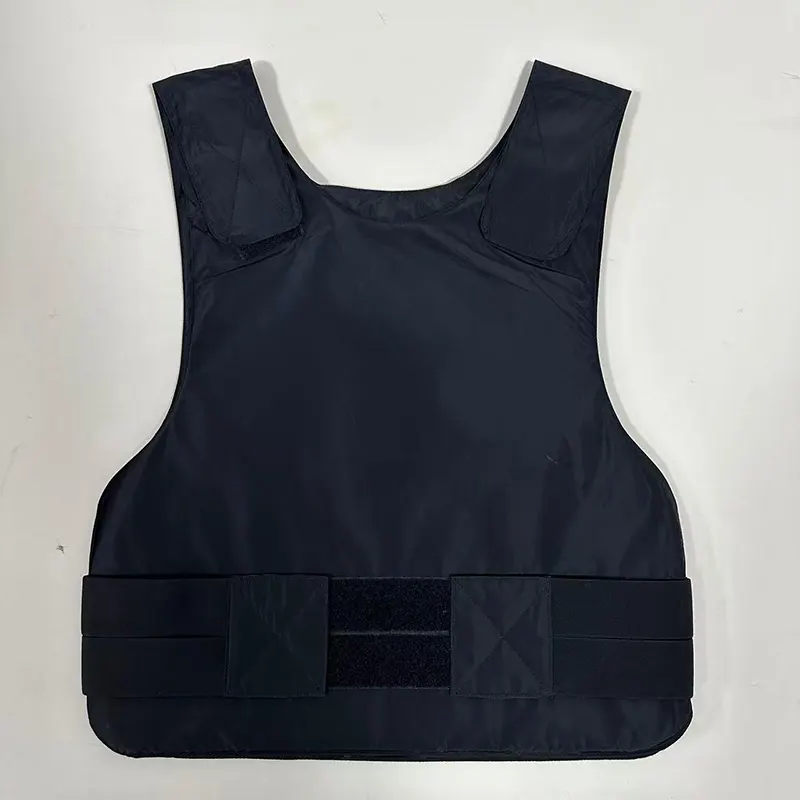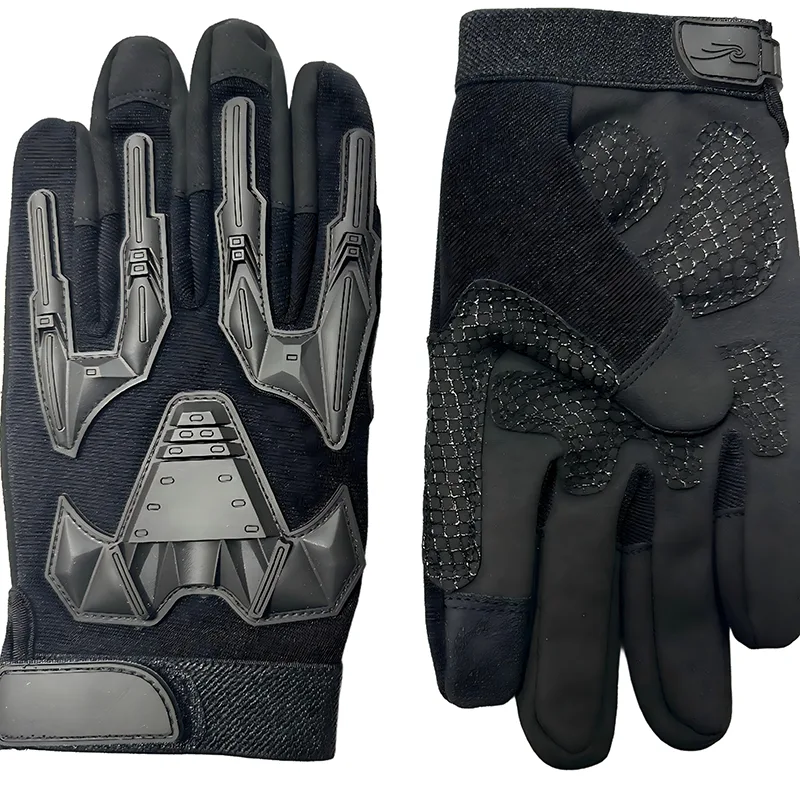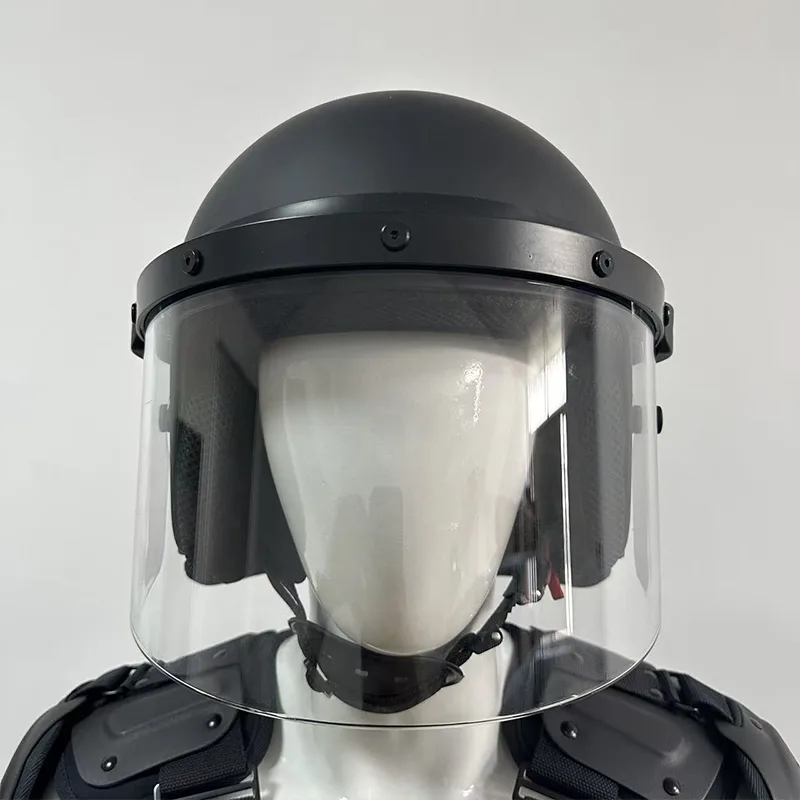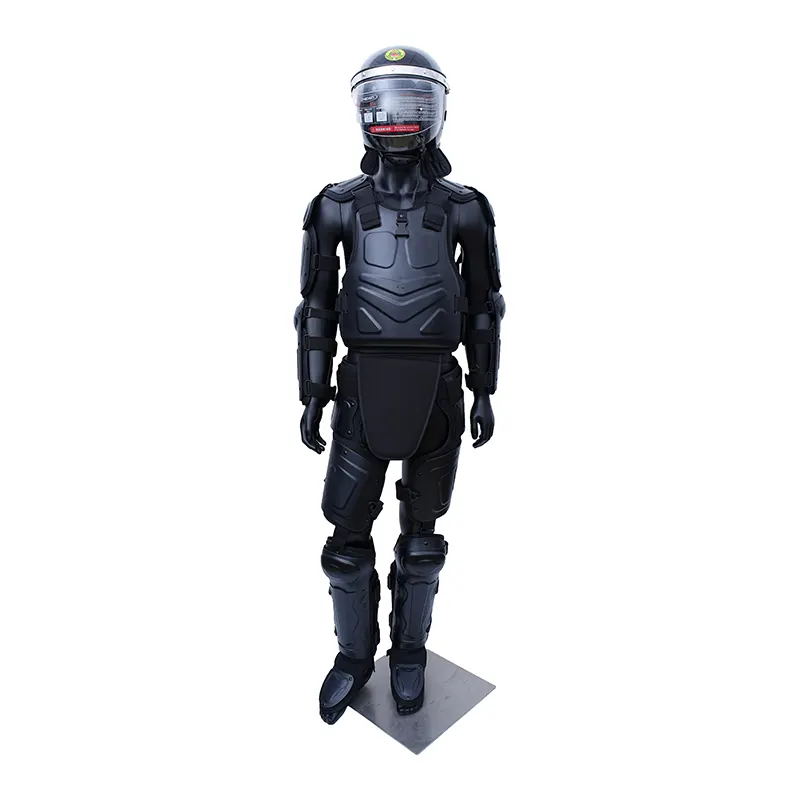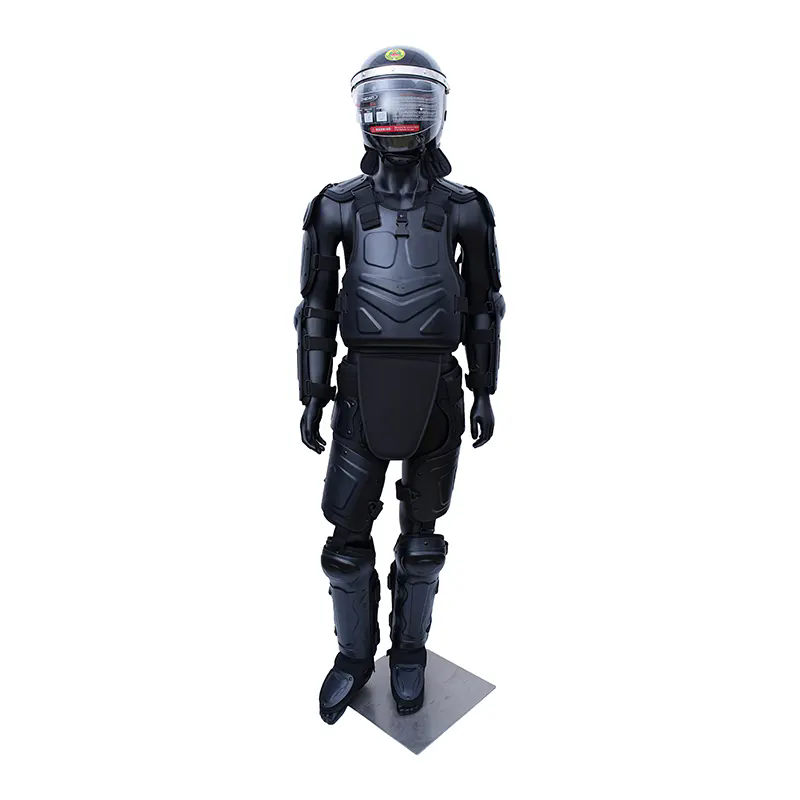

Galaxy, a professional China manufacturer and supplier of protective equipment, offers the German Style Riot Helmet for security patrols, crowd management, and law enforcement operations. Featuring a high-strength engineering plastic shell, an adjustable fit system, and a full-wrap protective profile, this helmet is designed to balance impact resistance, wearing stability, and comfort during demanding duty assignments.
A German Style Riot Helmet is designed to provide practical head protection for security professionals working in challenging public safety environments. Its distinctive wraparound shell helps extend coverage to the sides and rear of the head, while an adjustable suspension system and secure chin strap support a stable fit. When evaluating this type of protective equipment, procurement teams should consider shell material, impact performance, fit adjustment, weight, maintenance requirements, and applicable safety standards. This guide explains the helmet's key features, common applications, selection criteria, and maintenance practices to help professional buyers make informed purchasing decisions.
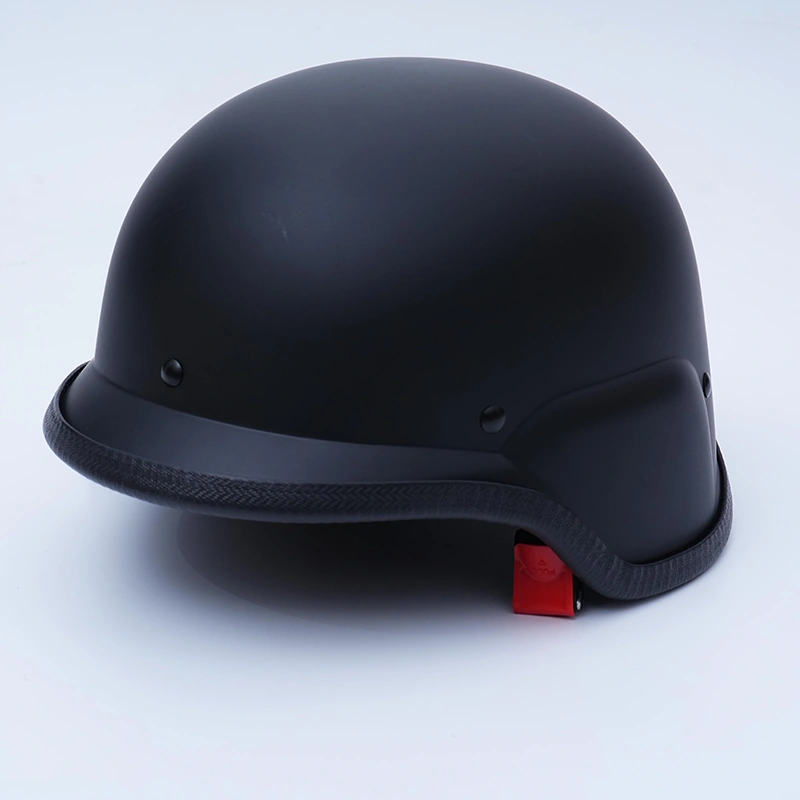
A German Style Riot Helmet is a form of protective headgear developed for professional environments where personnel may encounter thrown objects, accidental collisions, and other blunt-impact hazards. Its recognizable shell profile provides extended coverage around the head compared with some conventional duty helmets.
For security departments and public safety organizations, the objective is to select equipment that combines appropriate protective coverage with dependable retention and manageable weight. A helmet must remain securely positioned when the wearer walks, turns, bends, or responds to unexpected movement.
The Galaxy model uses a high-strength ABS or HDPE engineering plastic shell, an adjustable head circumference system, internal suspension components, and a chin strap with a quick-release buckle. These features are intended to support practical head protection and stable wearing during routine security assignments.
However, a helmet's appearance or material alone cannot establish its protection level. Buyers should verify the product's documented test results and suitability for the hazards anticipated in their operating environment.
The outer shell forms the primary structural barrier against external impacts. Galaxy specifies a shell made from high-strength, impact-resistant ABS or HDPE engineering plastic, with an approximate thickness of 3.5 mm.
These materials are commonly used in protective equipment because they can combine structural durability with a relatively manageable weight. Nevertheless, actual impact performance depends on the material formulation, molding quality, shell geometry, and complete helmet construction.
The helmet's characteristic contour extends around the sides and rear of the head. This design helps increase physical coverage in areas that may remain exposed when using a helmet with a narrower profile.
Extended coverage can be particularly useful for personnel who move through crowded public spaces or work in environments where objects may approach from different directions. The precise protected area depends on the helmet's dimensions and fit, so buyers should evaluate the physical design rather than assume complete protection.
The Galaxy helmet accommodates an adjustable head circumference of approximately 54–62 cm. This range can simplify equipment allocation for teams with different adult head sizes.
A well-adjusted suspension system distributes contact pressure and helps prevent excessive movement. The 25 mm-wide chin strap and quick-release buckle provide additional retention and allow the helmet to be removed conveniently when necessary.
The listed net weight is approximately 1.2 kg. Weight matters because personnel may need to wear protective equipment for extended periods while remaining alert and mobile.
Actual comfort depends on several factors, including head shape, internal padding, strap adjustment, ambient temperature, and the duration of use. Teams should conduct wear trials before placing large orders, particularly when helmets will be used throughout long shifts.
Consistent molding, smooth shell edges, reliable straps, and properly fitted internal components contribute to everyday usability. Galaxy describes an integrated injection-molding process and pre-delivery appearance and fit inspections for this model.
For professional procurement, buyers should also request relevant test documentation and establish clear acceptance criteria for dimensions, finish, retention components, and product consistency.
Reviewing the manufacturer's listed parameters helps procurement teams compare helmet models, estimate storage requirements, and plan team deployment. The following specifications are provided for the Galaxy German Style Riot Helmet.
| Parameter | Listed Specification | Procurement Relevance |
|---|---|---|
| Shell material | High-strength ABS or HDPE engineering plastic | Material verification and durability assessment |
| Shell thickness | Approximately 3.5 mm | Structural design comparison |
| Overall dimensions | 28 × 22 × 20 cm | Storage and packaging planning |
| Adjustable head circumference | 54–62 cm | Fit suitability for intended users |
| Chin strap width | 25 mm | Retention-system inspection |
| Net weight per unit | Approximately 1.2 kg | Wearability and transport planning |
| Gross weight per unit with inner packaging | Approximately 1.4 kg | Shipping estimates |
| Quantity per carton | 10 pieces | Inventory and order planning |
| Outer carton dimensions | 60 × 40 × 30 cm | Warehouse space and freight planning |
| Carton gross weight | Approximately 15 kg | Handling and logistics estimates |
Important purchasing note: These are manufacturer-listed specifications, not independent proof of impact protection or regulatory compliance. Confirm the exact material configuration, product version, available test reports, and final shipping specifications with the supplier before ordering.
The German Style Riot Helmet is intended for professional duty environments in which head protection and secure fit are important considerations. Its suitability for any specific assignment should be established through a hazard assessment and verification of the helmet's tested performance.
Not every helmet is appropriate for every operational environment. A shell-only design should not be treated as equivalent to a full-face protective system, and additional eye, face, hearing, or respiratory protection may be necessary depending on the identified risks.
Choosing protective headgear involves more than comparing prices or exterior appearance. Procurement teams should evaluate the complete product and its suitability for the people who will wear it.
For additional context, buyers can review Galaxy's anti-riot helmet product range to compare different protective configurations. A model with a face shield or grille may be more appropriate when facial protection is part of the operational requirement.
Routine inspection and correct storage help preserve the condition of protective headgear. A maintenance procedure should be included in the equipment management plan rather than left entirely to individual users.
Cleaning, inspection, and storage requirements should follow the manufacturer's instructions for the specific model. Internal damage may not be visible, so a visual inspection alone cannot establish that an impacted helmet remains safe for use.
For distributors, security contractors, and institutional purchasing departments, consistent product specifications and predictable logistics are essential. Galaxy lists a standard packing quantity of 10 helmets per carton, with outer carton dimensions of 60 × 40 × 30 cm and a gross carton weight of approximately 15 kg.
Before confirming a bulk order, buyers should establish the following details with the supplier:
Galaxy states that it supports OEM customization, including logo printing and color adjustments for bulk orders. Availability, minimum order quantities, and production timelines should be confirmed directly before procurement approval.
For organizations purchasing from a China factory, clear written specifications help reduce misunderstandings between the purchasing team and the manufacturer. Approved samples and documented acceptance criteria can also make incoming inspections more consistent.
The listed shell material is high-strength, impact-resistant ABS or HDPE engineering plastic, with an approximate thickness of 3.5 mm. Buyers should confirm the precise material configuration for their order and request relevant performance documentation.
The listed adjustable head circumference is approximately 54–62 cm. Users should measure their heads and test the adjustment and retention system to verify a secure, comfortable fit.
No helmet should be assumed suitable for every threat. Selection depends on the anticipated hazards, applicable regulations, verified impact performance, and whether additional face or neck protection is required. Buyers should evaluate the complete protective system before deployment.
Galaxy lists OEM customization options such as logo printing and color adjustment for bulk purchases. Contact the supplier to confirm available configurations, minimum order quantities, samples, and production schedules.
Follow the manufacturer's replacement instructions and remove any helmet suspected of structural damage from service. After a significant impact, replacement may be necessary even when no cracks or other external defects are visible.
Request the confirmed product specifications, applicable test reports, available certifications, customization details, quality inspection procedures, packaging information, warranty terms, and estimated delivery schedule. These details help buyers determine whether the product meets their operational and procurement requirements.
A German Style Riot Helmet can be a practical option for professional organizations seeking a wraparound shell design, adjustable fit, and manageable weight for security-related duties. The Galaxy model lists a 3.5 mm engineering plastic shell, a 54–62 cm adjustment range, an approximately 1.2 kg net weight, and bulk packaging designed for straightforward logistics. The final purchasing decision should still be based on verified protective performance, wearer fit, application-specific risks, and documented quality requirements.
Whether you are equipping a security team, sourcing protective equipment for distribution, or evaluating OEM manufacturing options, Galaxy can help you review available configurations and procurement requirements. Visit the German Style Riot Helmet product page for product details, or contact us to discuss specifications, customization options, bulk order quantities, and a quotation tailored to your project.