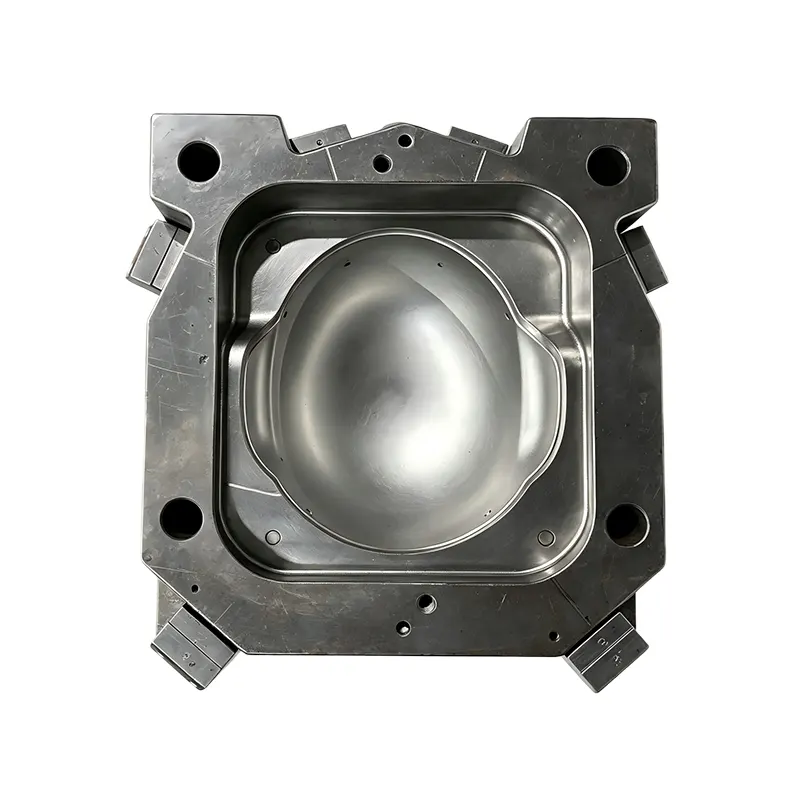
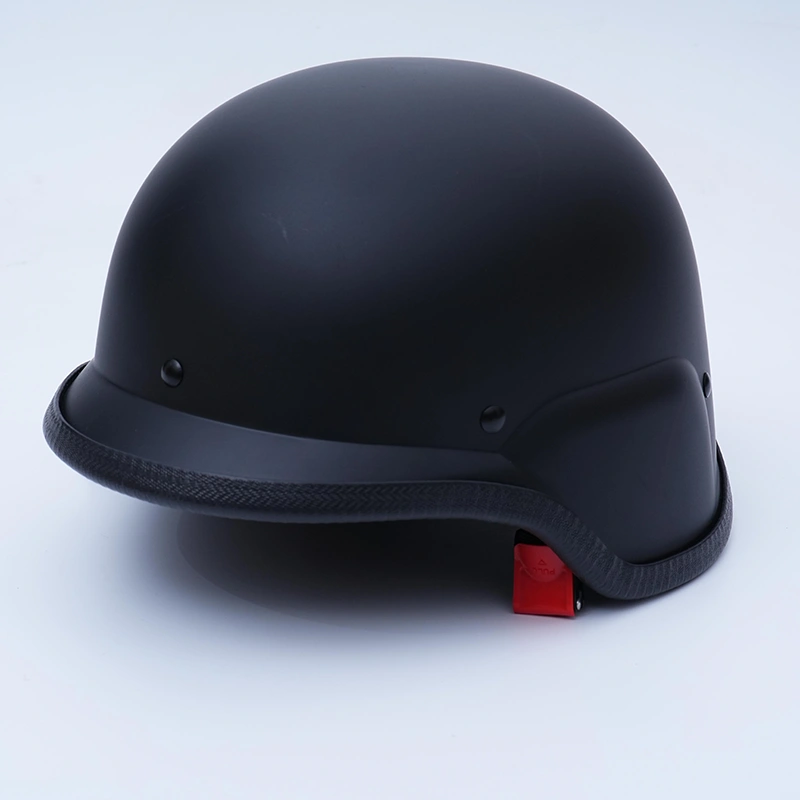
Galaxy’s PC ABS Anti Riot Helmet Injection Mould is developed for manufacturers seeking consistent helmet-shell production with PC and PC+ABS materials. With a single-cavity integrated concave insert, P20/718H pre-hardened steel, Ra 0.8 cavity polishing, and a theoretical service life of 300,000–500,000 shots, the mould is designed for stable and repeatable industrial production.
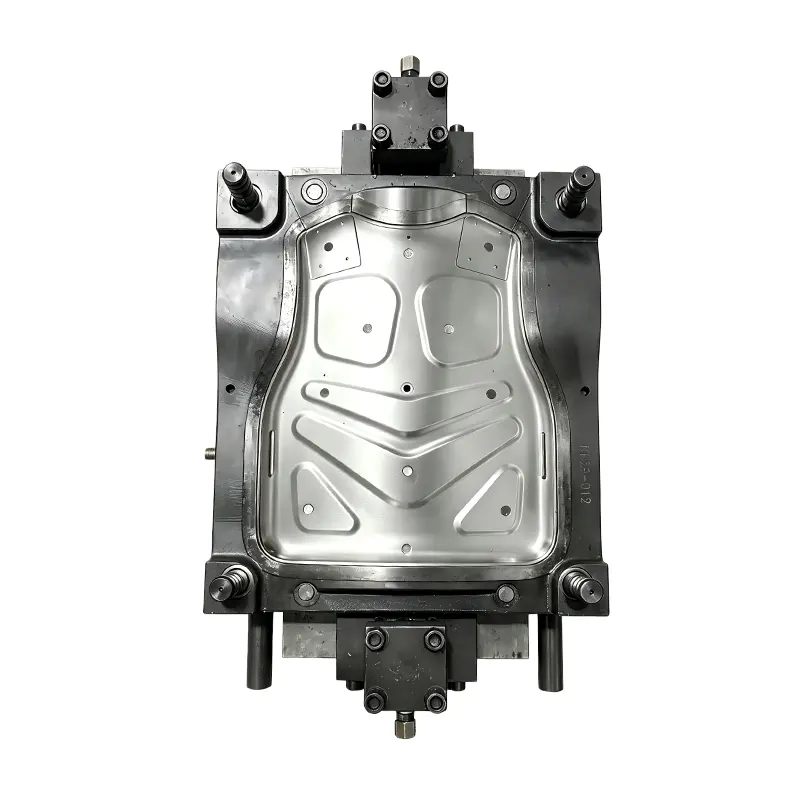
For manufacturers seeking reliable, repeatable production of protective equipment, the Anti Riot Suit Chest Protector Single Cavity Injection Mold from Galaxy provides a practical tooling solution for producing consistent chest protection plates. Its single-cavity integrated concave insert structure, pre-hardened cavity steel, and compatibility with PC, PC+ABS, and PA6 materials make it suitable for demanding mass-production applications.
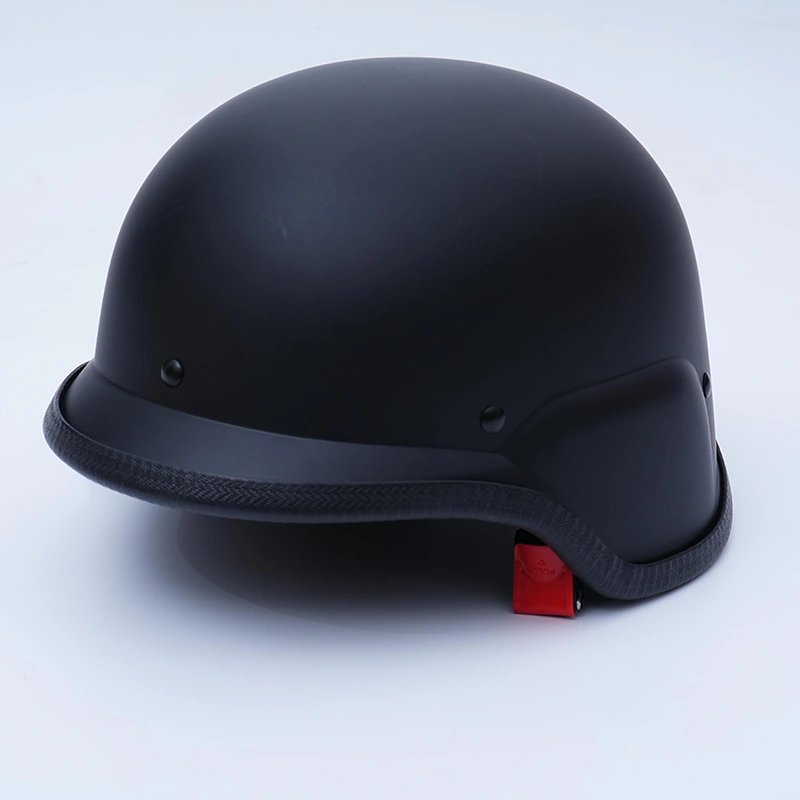
In modern public safety operations, protecting frontline personnel from unexpected impacts, flying objects, and dangerous environments has become a critical challenge. An Anti Riot Helmet is designed to provide reliable head, face, and neck protection while allowing users to maintain mobility, communication, and operational efficiency.
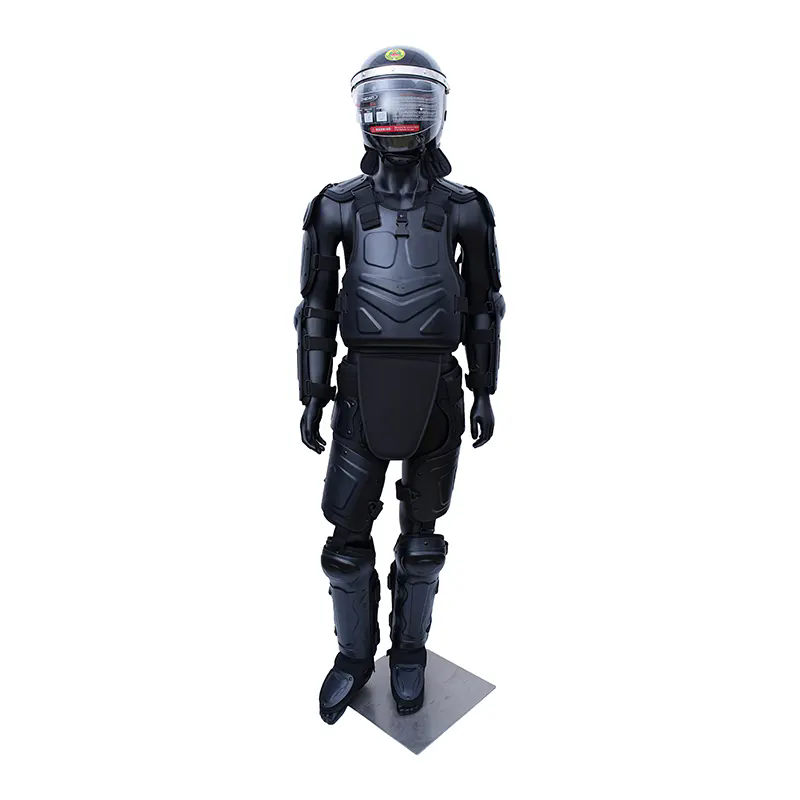
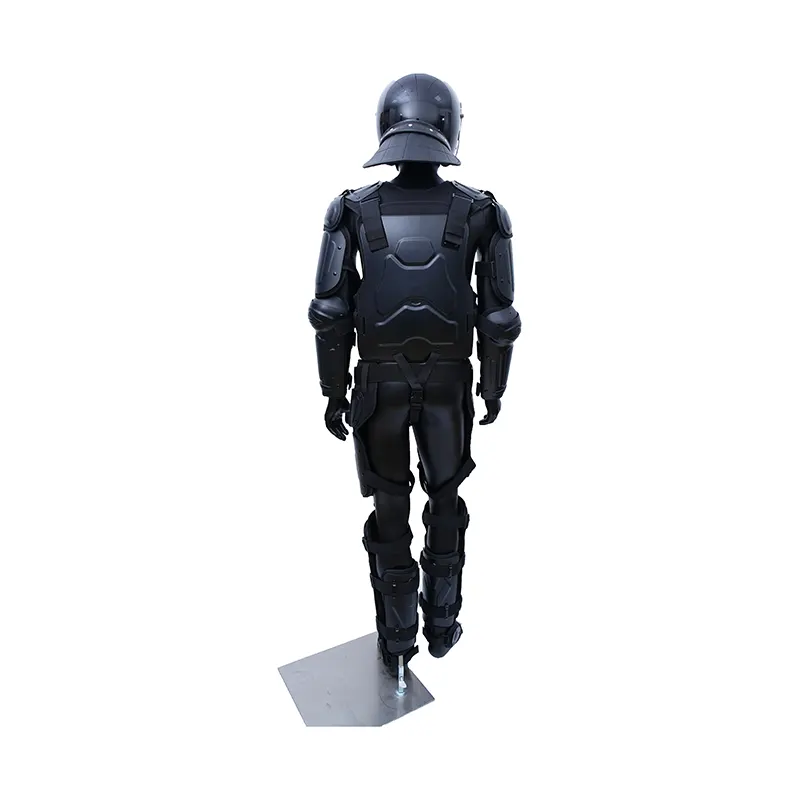
Choosing the correct Anti Riot Suit requires a detailed evaluation of operational conditions, protection requirements, wearing comfort, and long-term durability. Different security teams may face different challenges, including physical impact, crowd pressure, harsh weather, or extended deployment periods. A suitable protective suit should balance safety and mobility rather than simply focusing on maximum coverage.
Last month, during a consultation with a major security contractor heading a prison management tender, we skipped the standard catalog pitch. Instead, I asked their procurement team a direct question: "When your frontline personnel face unpredictable close-quarter confrontations or thrown projectiles, what breaks down first—their stamina, or their gear's joint seams?"
As security dynamics evolve globally, procurement officers in law enforcement and tactical security firms face a recurring dilemma. When equipping tactical teams for long-duration crowd management, choosing a standard duty helmet often leads to two major compliance failures: inadequate temporal protection against blunt force trauma, and severe neck fatigue that compromises an officer's operational agility.
We use cookies to offer you a better browsing experience, analyze site traffic and personalize content. By using this site, you agree to our use of cookies. Privacy Policy


 16 2026-09
  09 2026-09
  02 2026-09
  28 2026-08
  27 2026-08
  27 2026-08

